The Quirky Evolution of AI: Unraveling the Science Behind Algorithms and Data Structures
April 22, 2026
Artificial intelligence might sound like a concept straight out of a sci-fi novel, like something that requires a spaceship, a robot sidekick, and perhaps a few alien encounters. But the science behind AI is as real as your morning coffee, and it involves a fascinating history of algorithms and data structures that have shaped the way computers think. So, grab your favorite beverage and let’s take a whimsical journey through the historical landscape of AI's brainy underpinnings.
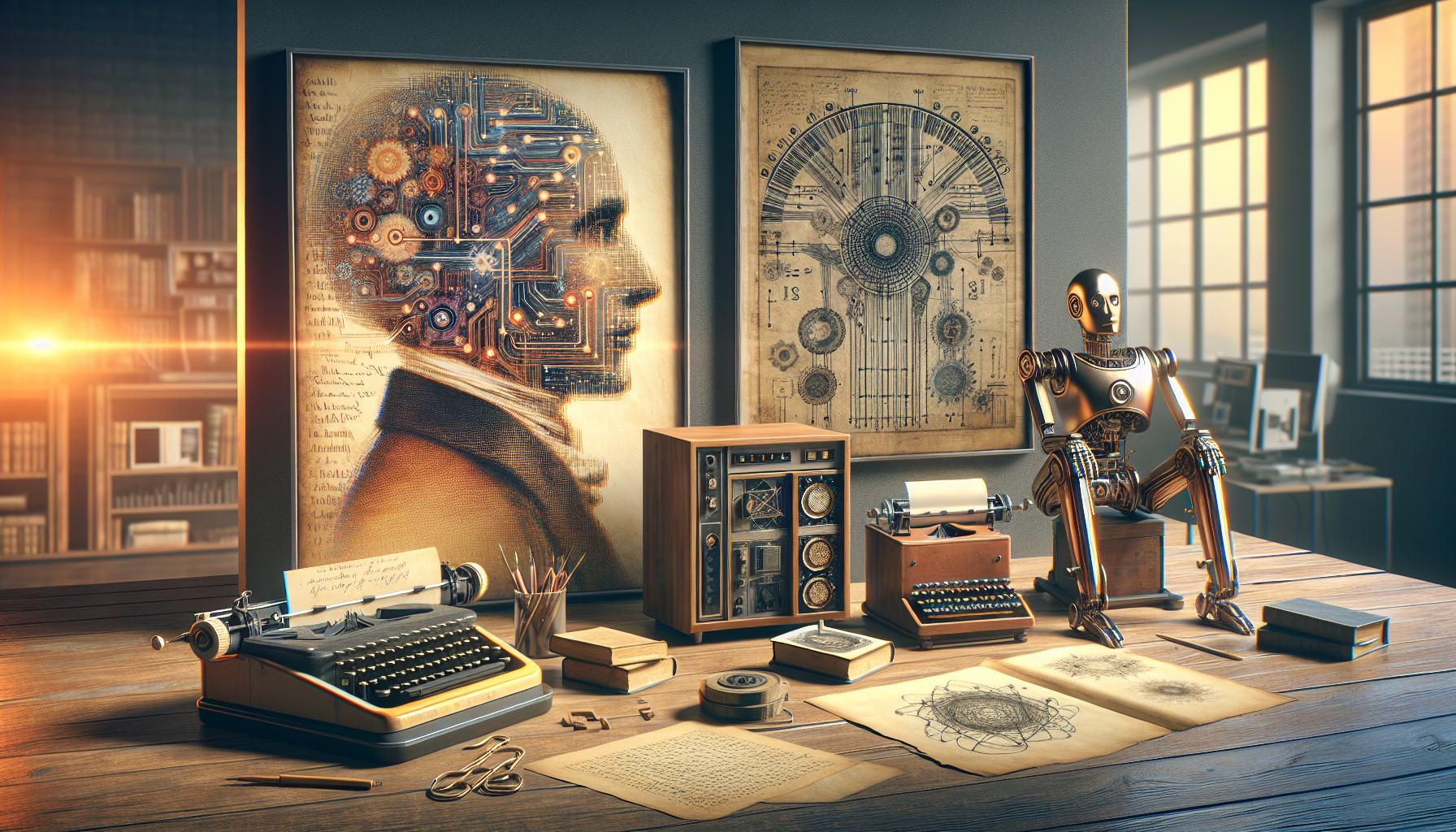
Long before computers started beating humans at chess, there were algorithms—those magical little recipes that tell computers what to do. Picture an algorithm as a particularly bossy cookbook, one that insists on precisely how many tablespoons of logic you need to bake a perfect cake of computation. The origins of these mathematical instructions trace back to ancient times when scholars like Euclid were scribbling down steps for finding the greatest common denominator—a humble yet vital ancestor of modern algorithms.
Fast forward several centuries, and we find ourselves in the presence of the great Ada Lovelace, a woman who could easily be the patron saint of computer programming. Lovelace, with her penchant for numbers and visionary thinking, saw beyond the mechanical intricacies of Charles Babbage's Analytical Engine. She envisioned a machine capable of weaving algebraic symphonies, a precursor to the algorithmic wonders of today's AI.
Enter the age of Turing and his legendary machine, a theoretical contraption that could solve any problem given enough time and tape—lots of tape. Alan Turing's work laid the groundwork for the algorithmic revolution. He was the kind of person who would ponder whether machines could think while having a casual cup of tea (or so we like to imagine). Turing’s contributions signaled the dawn of a new era where machines began to take their first computational baby steps toward artificial intelligence.
As algorithms evolved, data structures—the unsung heroes of the digital realm—emerged from the shadows to organize and store the growing avalanche of information. Picture data structures as the Marie Kondos of the computer world, tidying up bits and bytes with precision and efficiency. From linked lists that connect data like a conga line at a wedding to binary trees that branch out like family genealogies, these data structures became the backbone of AI's cognitive prowess.
Now, let’s talk about neural networks—a concept that sounds suspiciously like something you’d find in a sci-fi thriller. But fear not, these networks are more about neurons than nefarious plots. Inspired by the human brain, neural networks are like crowded cocktail parties where virtual neurons mingle, share insights, and occasionally get into heated debates about which meme is the funniest. These networks learn by example, adjusting their connections with the finesse of a DJ tweaking the bass at a dance club.
Machine learning, a subset of AI, is where algorithms and data structures get to strut their stuff. Imagine a classroom filled with eager algorithms, each one learning from data sets as if training for the Algorithm Olympics. They analyze, predict, and sometimes err, but that's all part of the learning curve. With enough practice, they become adept at recognizing patterns, whether it’s identifying cats in photos or predicting stock market trends with the accuracy of a fortune teller on a good day.
Yet, the evolutionary tale of AI is not without its quirks and idiosyncrasies. Consider the humble chatbot—the digital descendant of Turing's musings on machine conversation. Early chatbots were about as convincing as a cat pretending to be a dog, but they’ve evolved into witty conversationalists, sometimes managing to pass as human in text exchanges. But let’s not get carried away; they still struggle with humor. Perhaps one day, they’ll master the art of the pun, but for now, they’ll stick to their programmed scripts.
As we journey through the annals of AI history, it’s clear that algorithms and data structures form the backbone of this extraordinary field. They have evolved from simple calculations to complex networks capable of astounding feats. Who knows where this journey will lead us next? Perhaps machines will one day compose symphonies that move us to tears, or maybe they’ll finally figure out why humans insist on putting pineapple on pizza.
In a world where AI continues to surprise and challenge our understanding of intelligence, one can’t help but wonder: Are we merely observers of this computational dance, or are we partners, guiding the rhythm of innovation? Whatever the answer, it’s bound to be an entertaining and enlightening ride. So, stay curious and let the algorithms do their thing—they might just surprise you with their next trick.