Quantum Computing and AI: A Powerful Combination Shaping the Future
May 12, 2026
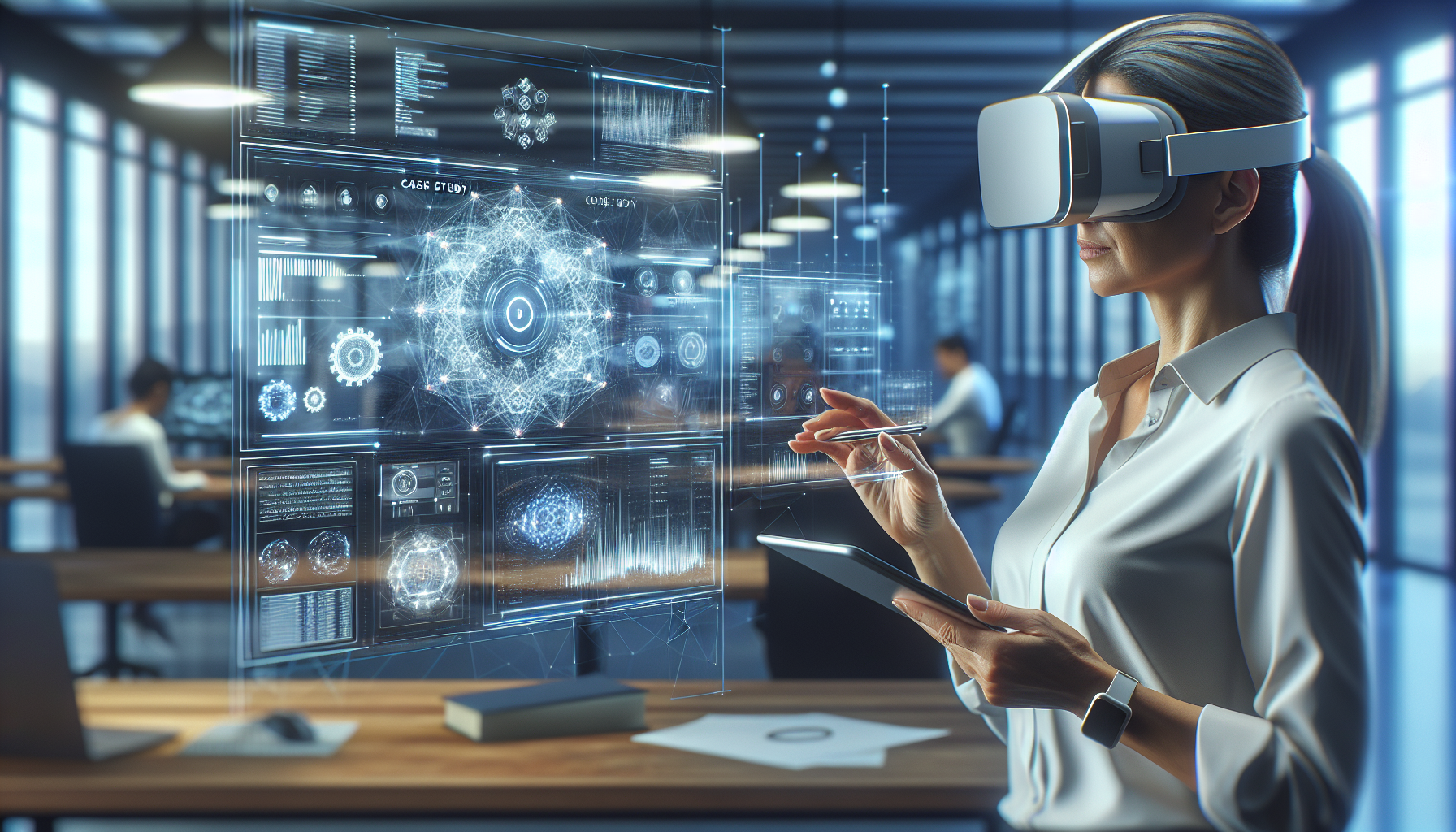
Imagine a world where artificial intelligence is not just a tool but a transformative ally in solving humanity’s most complex challenges. This is not merely a dream but a potential reality made possible by the fusion of quantum computing and AI. As two of the most groundbreaking technologies of our era, their convergence promises to revolutionize industries, redefine problem-solving, and inspire new possibilities for innovation.
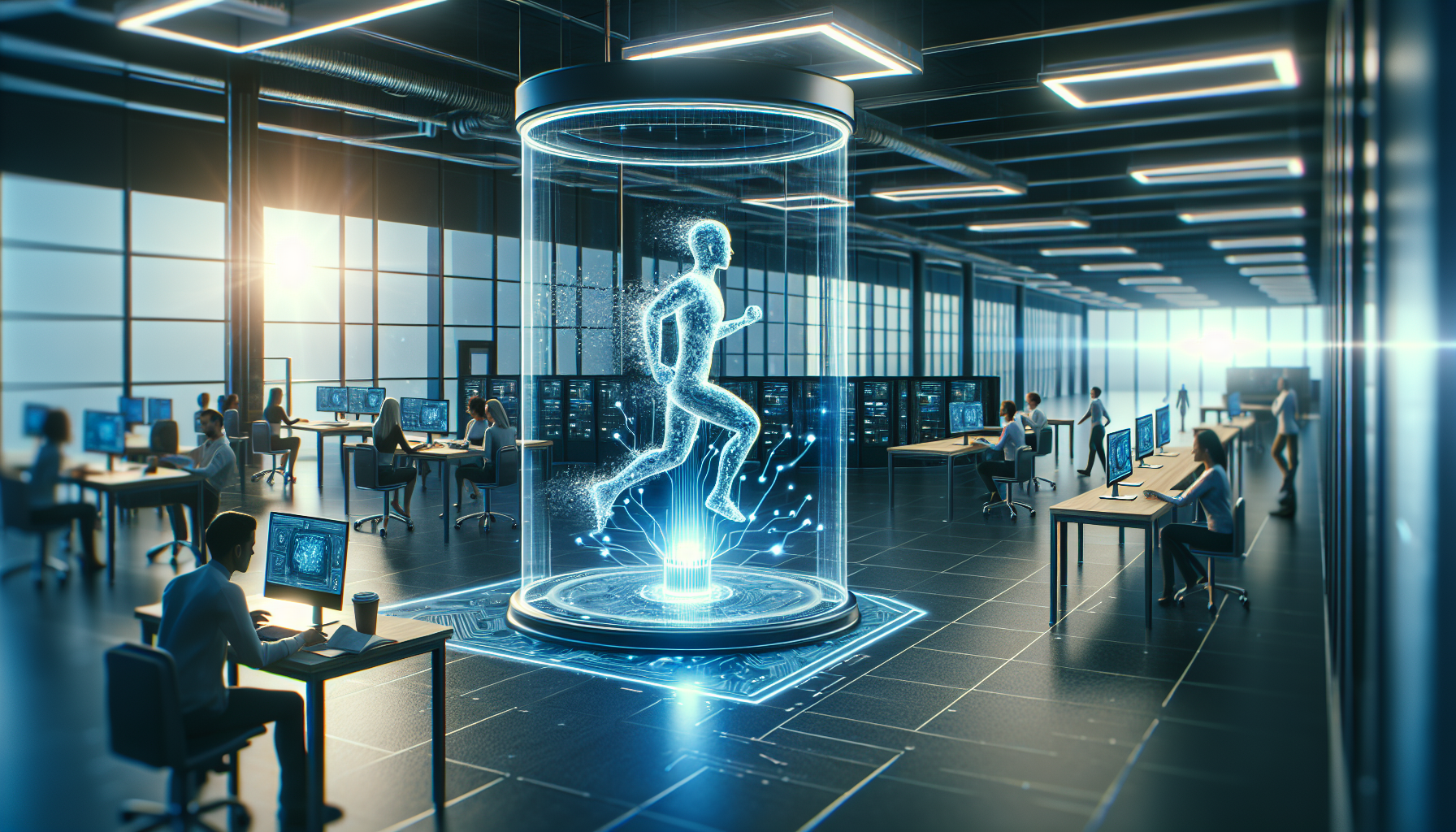
At its core, quantum computing harnesses the principles of quantum mechanics to process information in fundamentally different ways from classical computers. Unlike traditional bits, which are either zero or one, quantum bits—qubits—can simultaneously be in multiple states. This unique property, known as superposition, allows quantum computers to perform complex calculations at speeds unimaginable with current technology. When paired with AI, the implications are profound.
AI thrives on data—vast, complex, and ever-growing datasets that require immense computational power to analyze and learn from. Quantum computing offers an unprecedented advantage in this realm. Consider the potential in fields like drug discovery, where AI can sift through millions of molecular combinations to predict successful outcomes, and quantum computing can exponentially accelerate these calculations. This partnership could lead to breakthroughs in medicine, potentially unlocking cures that have eluded researchers for decades.
Moreover, quantum-enhanced AI can redefine the landscape of cybersecurity. Traditional encryption methods, while currently robust, could be rendered obsolete by future quantum capabilities. However, the same quantum principles offer new, ultra-secure encryption techniques, ensuring data protection in an increasingly digital age. This dual role of quantum computing—as both a disruptor and a protector—highlights its transformative potential when combined with AI.
Beyond technical applications, the intersection of quantum computing and AI invites us to rethink fundamental concepts of intelligence and problem-solving. AI, powered by quantum computing, could develop new algorithms that mimic human creativity and intuition, tackling challenges in ways that are not merely faster but fundamentally different. Imagine AI systems that not only predict weather patterns but also devise novel strategies for climate change mitigation by exploring variables and solutions beyond human imagination.
The business world, too, stands on the brink of a quantum-AI revolution. Industries reliant on logistics, supply chain management, and financial modeling can harness these technologies to optimize processes with unparalleled efficiency. Quantum computing can analyze complex networks and forecast market trends with precision, enabling businesses to adapt swiftly to changing environments and consumer needs. This adaptability could foster a new era of economic growth and resilience.
Yet, the journey to fully realizing this potential is not without challenges. The current state of quantum computing is akin to the early days of classical computing—exciting yet experimental. Many hurdles remain, from stabilizing qubits to reducing error rates, but the relentless drive of researchers and innovators is closing these gaps at a remarkable pace. Their dedication is fueled by the promise of a future where quantum computing and AI are not just complementary but symbiotic, each enhancing the capabilities of the other.
This powerful combination also raises important ethical considerations. As AI becomes more sophisticated, questions surrounding data privacy, decision-making transparency, and algorithmic bias become even more critical. Quantum computing’s capacity to amplify AI's capabilities necessitates a robust dialogue on responsible innovation, ensuring that these technologies serve humanity equitably and ethically.
Reflecting on this convergence, one cannot help but feel inspired by the boundless possibilities. Quantum computing and AI together offer a vision of the future that is not only technologically advanced but also deeply human-centric, where innovation serves the greater good. As these technologies evolve, they challenge us to dream bigger and strive for solutions once deemed impossible.
What new frontiers will this powerful combination unveil? How might they reshape our understanding of intelligence, creativity, and problem-solving? As we continue to explore these questions, the journey promises to be as enlightening as the destination, inviting us all to become architects of a future where the extraordinary becomes the norm.