The Influence of Artificial Intelligence on Education: A Historical Perspective on Personalized Learning
May 8, 2026
The integration of artificial intelligence into the education sector has marked a pivotal shift in how knowledge is imparted and absorbed. By examining the historical evolution of AI-driven personalized learning, one can appreciate the transformative potential it holds for future educational landscapes.
Historically, education systems have largely been predicated on standardized curricula designed to cater to the average learner. This one-size-fits-all approach, while efficient in certain respects, often neglects the diverse needs of individual students. The concept of personalized learning, which tailors educational experiences to individual learners' needs, strengths, and interests, has been a longstanding aspiration within educational reform circles. However, achieving this level of customization on a broad scale was once thought unattainable.
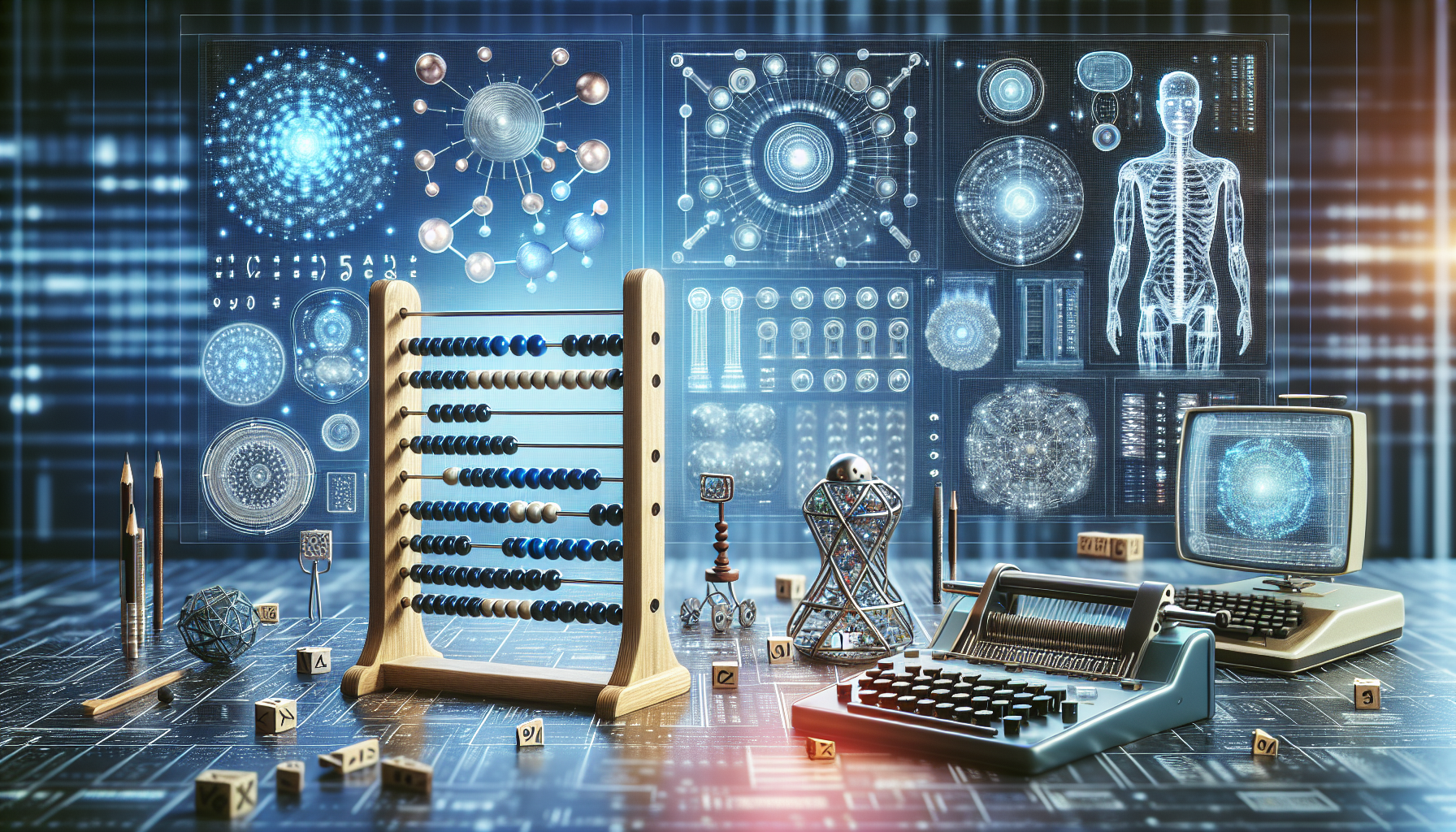
The advent of artificial intelligence has gradually changed this narrative. Early iterations of AI sought to mimic human intelligence and included rudimentary computer-based learning tools aimed at supplementing traditional educational methods. These early systems were limited by the technology of their time, often offering nothing more than basic interactive quizzes or digital flashcards. However, they set the groundwork for future innovations by introducing the concept of adaptive learning environments.
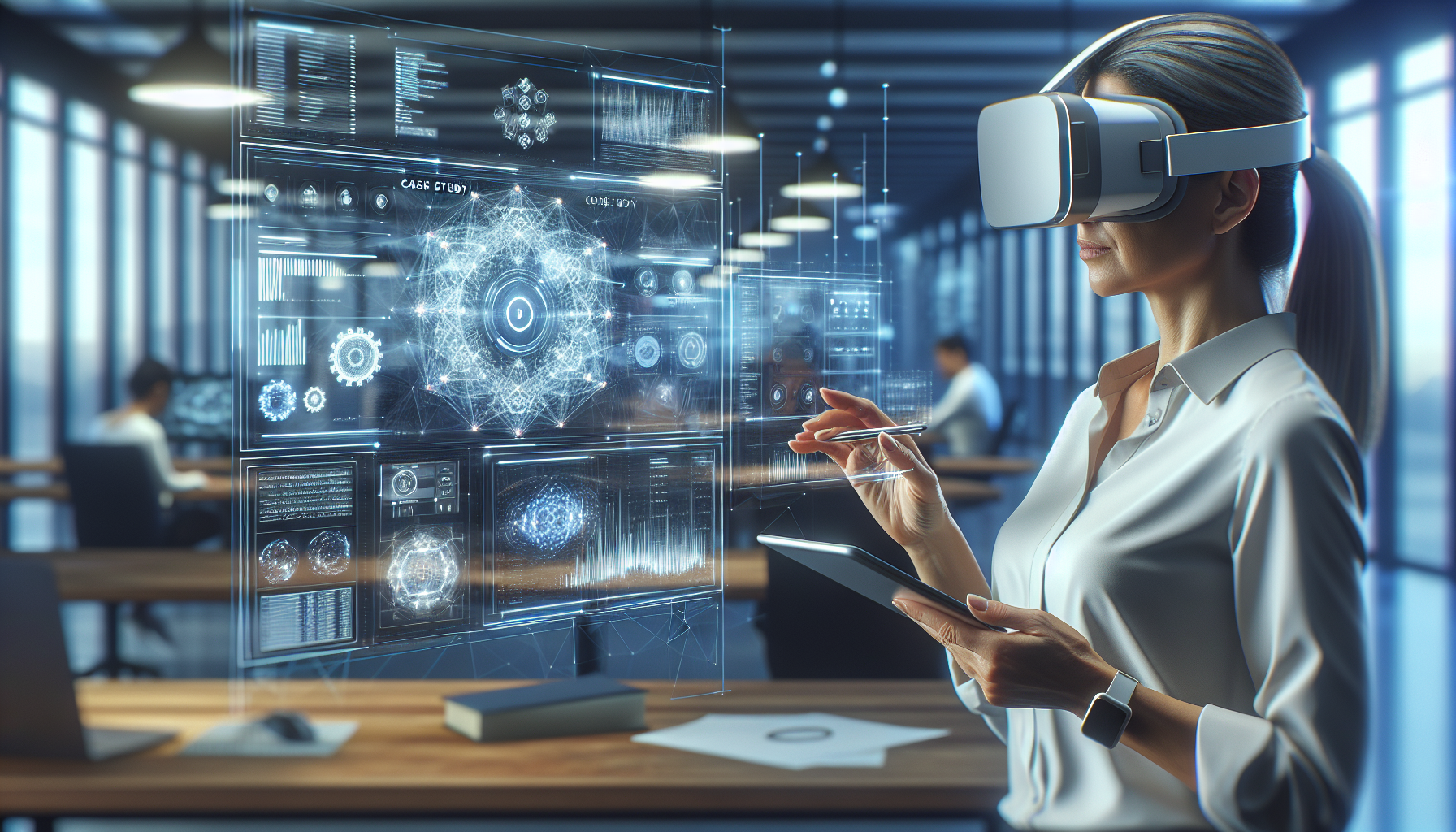
As AI technology advanced, so too did its application in education. One of the most significant breakthroughs came with the development of intelligent tutoring systems (ITS). These systems began to demonstrate the potential of AI to create personalized learning experiences by adapting to the individual pace and style of each learner. ITS utilized sophisticated algorithms to assess a student’s understanding in real-time, offering tailored feedback and adjusting the difficulty of material accordingly. This marked a departure from traditional methods, allowing for a more nuanced approach to education that acknowledged the unique learning trajectories of each student.
The role of AI in personalized learning was further expanded by the introduction of machine learning techniques. Unlike traditional algorithms, machine learning models can improve their performance over time with exposure to more data. In educational contexts, this capability enabled the creation of learning analytics tools that could predict student outcomes and identify learning gaps before they became critical. By analyzing patterns in student performance data, educators could intervene more effectively, providing support where it was most needed.
Moreover, the proliferation of digital devices and online learning platforms has facilitated the widespread adoption of AI-enhanced educational tools. These tools offer unprecedented access to personalized learning experiences. For instance, AI-driven platforms can recommend resources based on a student’s previous performance and preferences, creating a dynamic learning ecosystem that evolves with the learner. This level of personalization extends beyond academic learning, also fostering critical thinking and problem-solving skills by encouraging students to engage with material in ways that resonate with their interests and aptitudes.
Despite these advancements, the integration of AI in education is not without its challenges. Concerns regarding data privacy, algorithmic bias, and the digital divide underscore the need for careful consideration as AI becomes more entrenched in educational practices. Ensuring equitable access to AI-powered learning tools remains a critical issue, as disparities in technology access can exacerbate existing educational inequalities.
Nevertheless, the historical trajectory of AI in education reveals a pattern of increasing sophistication and accessibility. As AI continues to evolve, its potential to enhance personalized learning experiences grows ever more promising. The question now is not whether AI will play a role in education, but how it will shape the future of learning. Will AI democratize access to high-quality education, or will it widen the gap between those with and without access to technology?
The historical perspective on AI-driven personalized learning invites us to consider the broader implications of these technological advancements. It challenges educators, policymakers, and technologists to envision a future where AI is harnessed not merely as a tool, but as a transformative force for creating more inclusive, effective, and engaging learning environments. As we stand on the cusp of this new era in education, the possibilities are as vast as they are profound, inviting us to ponder how we might best navigate this uncharted territory.