How AI Is Transforming Art and Creativity: Bold Predictions for the Future
January 16, 2026
Imagine walking into an art gallery where the walls are lined not only with traditional paintings but also with digital canvases pulsating with life, each created by an artificial intelligence. Intriguing, right? This isn't science fiction—it's an emerging reality. AI is reshaping the realms of art and creativity in ways that are as fascinating as they are unpredictable.
Let's talk about creativity for a moment. Traditionally, it's been seen as an exclusively human trait, a divine spark that machines couldn't replicate. But AI is challenging that notion. Today, AI can compose symphonies, generate visual art, and even pen poetry that resonates with emotional depth. And this is just the tip of the iceberg.
One of the most interesting facets of AI's role in art is its ability to democratize creativity. Remember when creating art required a certain skill set, access to materials, and years of practice? AI is changing that narrative. With tools powered by AI, anyone with a computer can generate art, opening up avenues for people who may not have considered themselves "artists" in the traditional sense. This could lead to a creative explosion, with diverse voices contributing to the artistic landscape in unprecedented ways.
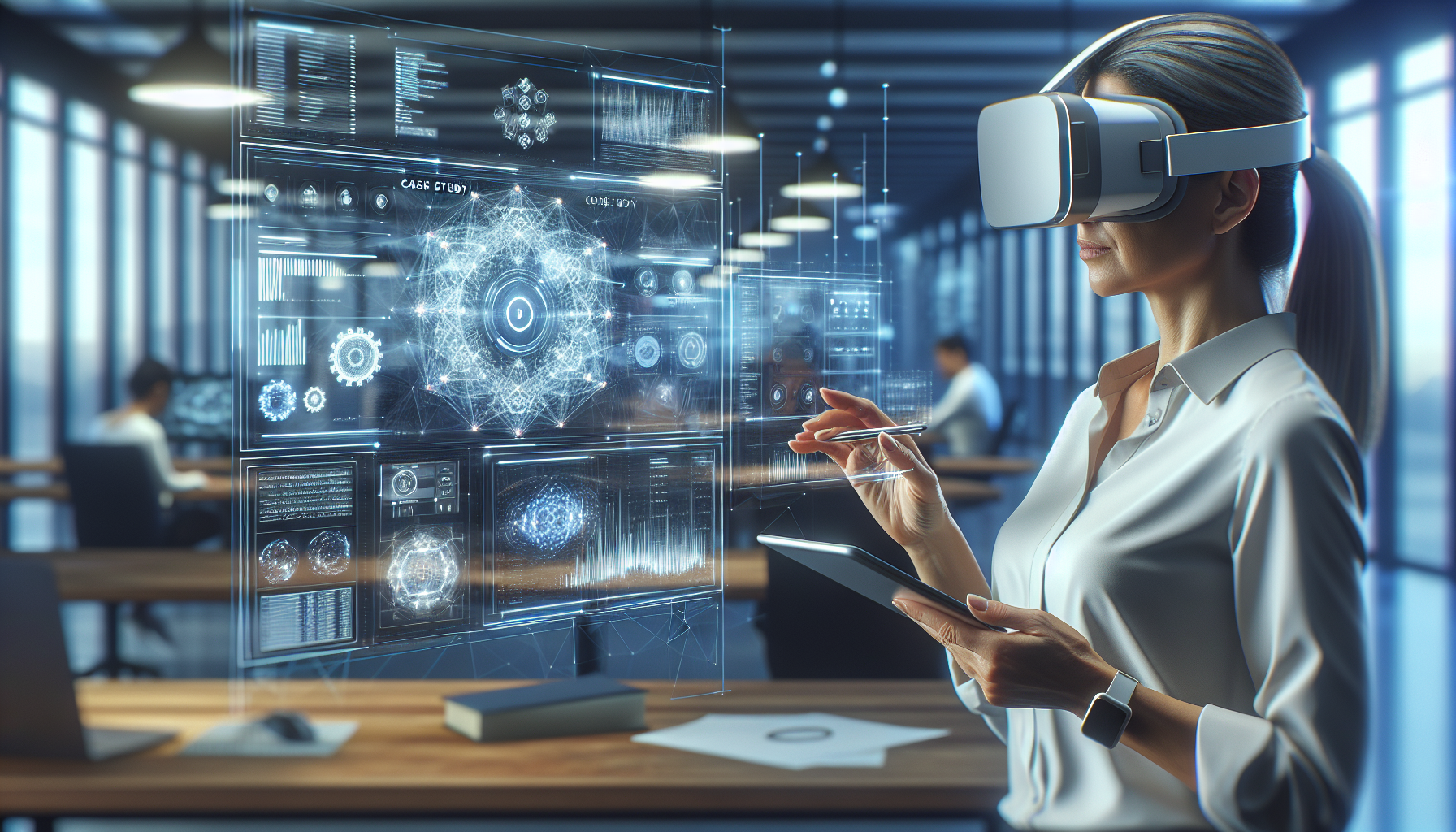
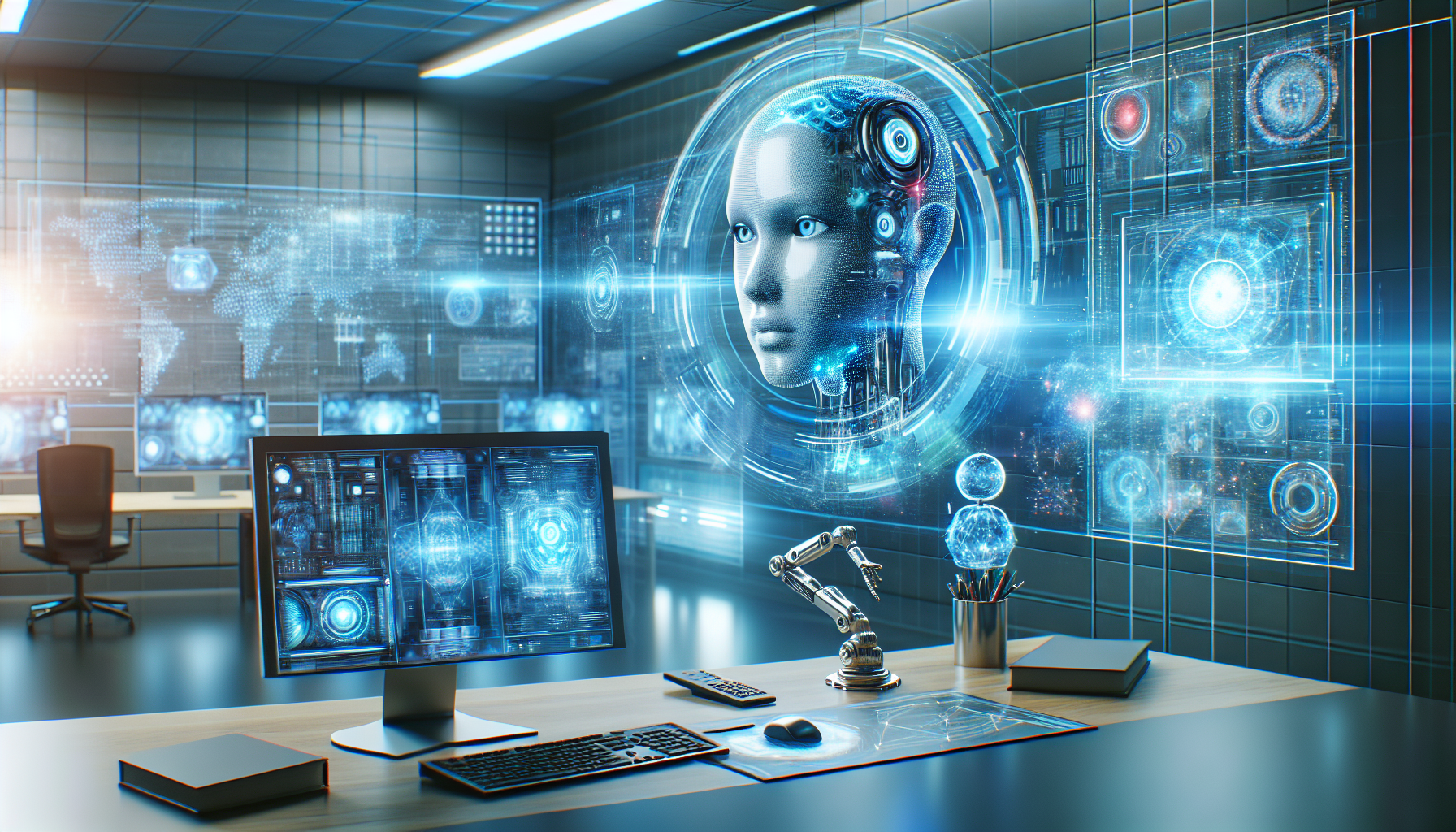
But what about the future? Imagine AI not just as a tool but as a collaborator. Artists are already using AI to explore new styles and concepts. In the future, we might see AI systems that analyze an artist's previous works and suggest new directions, pushing creative boundaries that humans alone might not conceive. These AI collaborators could even learn to adapt to an artist's evolving style, deepening the partnership between human and machine.
Then there's the potential for AI to generate entirely new art forms. Think about how cinema transformed storytelling or how the internet revolutionized communication. AI could be the key to unlocking the next revolutionary art form, something that we can't yet fully envision but could redefine how we perceive and experience art.
On the music front, AI is already making waves. Algorithms can now compose music that mimics classical symphonies, pop songs, and everything in between. Imagine future concerts where AI-generated music is performed live, or even personalized playlists curated by AI that anticipate and adapt to your mood in real-time. The possibilities for innovation in music are as endless as they are exciting.
Of course, with these advancements come questions and challenges. For one, there's the matter of authorship. If an AI creates a masterpiece, who owns it—the programmer, the user, or the AI itself? This question isn't just philosophical; it has real-world implications for copyright law and the economics of art. As AI becomes more autonomous in its creative endeavors, society will need to navigate these tricky waters.
Moreover, there's the concern of authenticity. Will art created by AI carry the same weight and emotional impact as art created by humans? Some purists argue that the absence of human experience diminishes the value of AI-generated art. However, others believe that AI art can evoke emotions and provoke thought in ways that are equally valid, if different.
As we consider these questions, it's crucial to remember that AI, in its current form, lacks consciousness and intent. It's a tool—a powerful one—but one that reflects the biases and inputs of its human creators. This means that the art it produces can only be as diverse and inclusive as the data it learns from. As we look to the future, ensuring that AI reflects a broad spectrum of human experiences will be vital.
So, what does all this mean for the future of art and creativity? While it's impossible to predict with certainty, one thing is clear: AI will continue to challenge our preconceptions about creativity. It will open new doors, create new challenges, and provoke new discussions.
As AI evolves, so too will our understanding of art. Perhaps the most exciting aspect is that we are only at the beginning of this journey. How we choose to integrate AI into our creative processes will shape not only the future of art but also our culture and society at large.
As we move forward, let's consider this: How can we use AI not to replace human creativity, but to enhance it, to unlock new potentials and push the boundaries of what we perceive as possible? The answers to these questions could redefine art and creativity for generations to come.