Artificial Intelligence in Education: Personalized Learning Experiences and Future Predictions
March 19, 2026
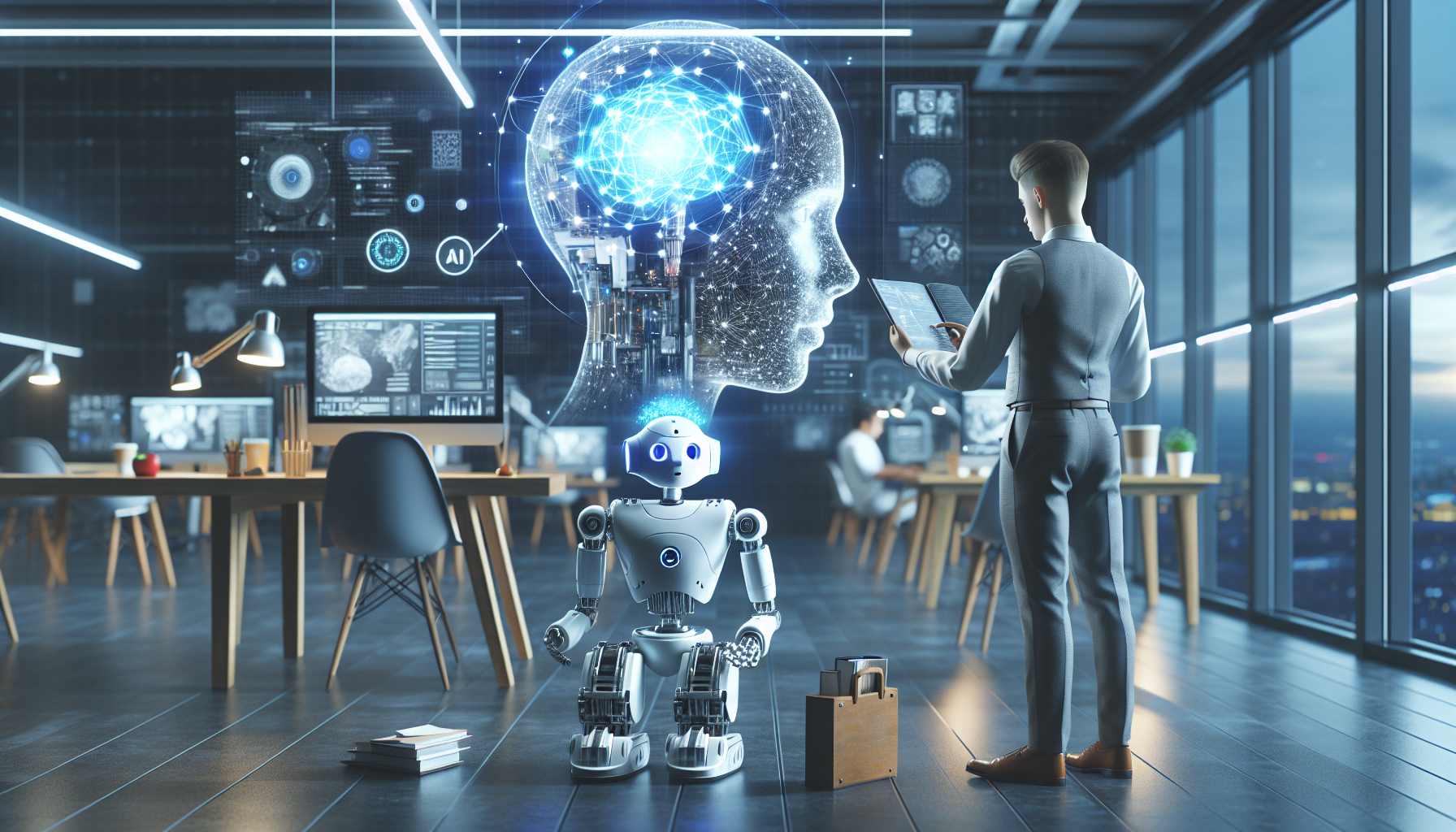
Artificial intelligence (AI) is reshaping educational landscapes by tailoring learning to individual needs, promoting a shift from traditional teaching methods to more personalized experiences. This transformation is driven by sophisticated algorithms capable of analyzing vast datasets to adapt educational content to each student's learning style, pace, and progress.
At the heart of AI's impact on education is its ability to process and interpret complex data, creating personalized learning pathways. These pathways consider a student's strengths, weaknesses, and preferences, forging a customized educational experience. AI systems can assess a student's performance in real time, adjusting the difficulty of tasks and offering additional resources as needed. This dynamic approach not only enhances engagement but also fosters a deeper understanding of material, as students are neither overwhelmed nor under-challenged.
AI's role in creating personalized learning experiences extends beyond mere content delivery. Intelligent tutoring systems (ITS) are a prime example, providing one-on-one instruction that mimics human tutoring. These systems employ natural language processing and machine learning to interact with students, offering explanations, feedback, and hints tailored to individual needs. The result is a learning environment that closely aligns with each student's cognitive and emotional state, encouraging a more profound and personal connection with the material.
Moreover, AI has the potential to democratize education by providing access to high-quality resources irrespective of geographical location or socio-economic status. Virtual classrooms and AI-driven platforms can bridge gaps in educational opportunities, offering students from diverse backgrounds the chance to benefit from personalized learning experiences. This capability is particularly crucial in regions with limited access to qualified educators or educational infrastructure.
Looking forward, the integration of AI in education is expected to become even more sophisticated. The development of advanced machine learning models will enable systems to predict student outcomes with greater accuracy, allowing educators to intervene promptly and effectively. Predictive analytics can identify at-risk students before they fall behind, offering targeted support that can prevent dropout rates and improve overall educational outcomes.
The future might also see the emergence of AI-driven adaptive assessments that continuously tailor themselves based on a student's responses. These assessments could provide a more nuanced understanding of a student's abilities, moving beyond traditional testing methods that often fail to capture the full spectrum of a learner's potential. By offering immediate, detailed feedback, adaptive assessments can guide students on their learning journeys, helping them to focus on areas that require improvement while reinforcing their strengths.
AI's ability to facilitate personalized learning experiences also opens up possibilities for lifelong learning. As the nature of work evolves, continuous education becomes essential. AI can support this by providing flexible, personalized learning opportunities that fit into individuals' busy lives, allowing them to acquire new skills and knowledge on demand. This adaptability ensures that education remains relevant and aligned with the ever-changing demands of the job market.
Despite its potential, the integration of AI in education is not without challenges. Concerns about data privacy and security must be addressed to protect students' sensitive information. Additionally, there is a need to ensure that AI systems are designed inclusively, without bias, to provide equitable learning opportunities for all students. Educators and policymakers must work collaboratively to establish ethical guidelines and regulatory frameworks that support the responsible use of AI in education.
As AI continues to evolve, its impact on education will likely deepen, reshaping how knowledge is imparted and acquired. The promise of personalized learning experiences driven by AI offers a glimpse into a future where education is more inclusive, effective, and engaging. However, this future demands careful consideration of ethical, technical, and social implications to harness AI's full potential responsibly.
Ultimately, the question remains: How can we ensure that AI in education not only enhances learning outcomes but also empowers every student to reach their fullest potential in a rapidly changing world? The answer lies in balancing innovation with thoughtful stewardship, ensuring that AI serves as a tool for empowerment rather than a source of division.