AI and the Future of Work: Are Robots Taking Over or Just Making Our Coffee?
March 18, 2026
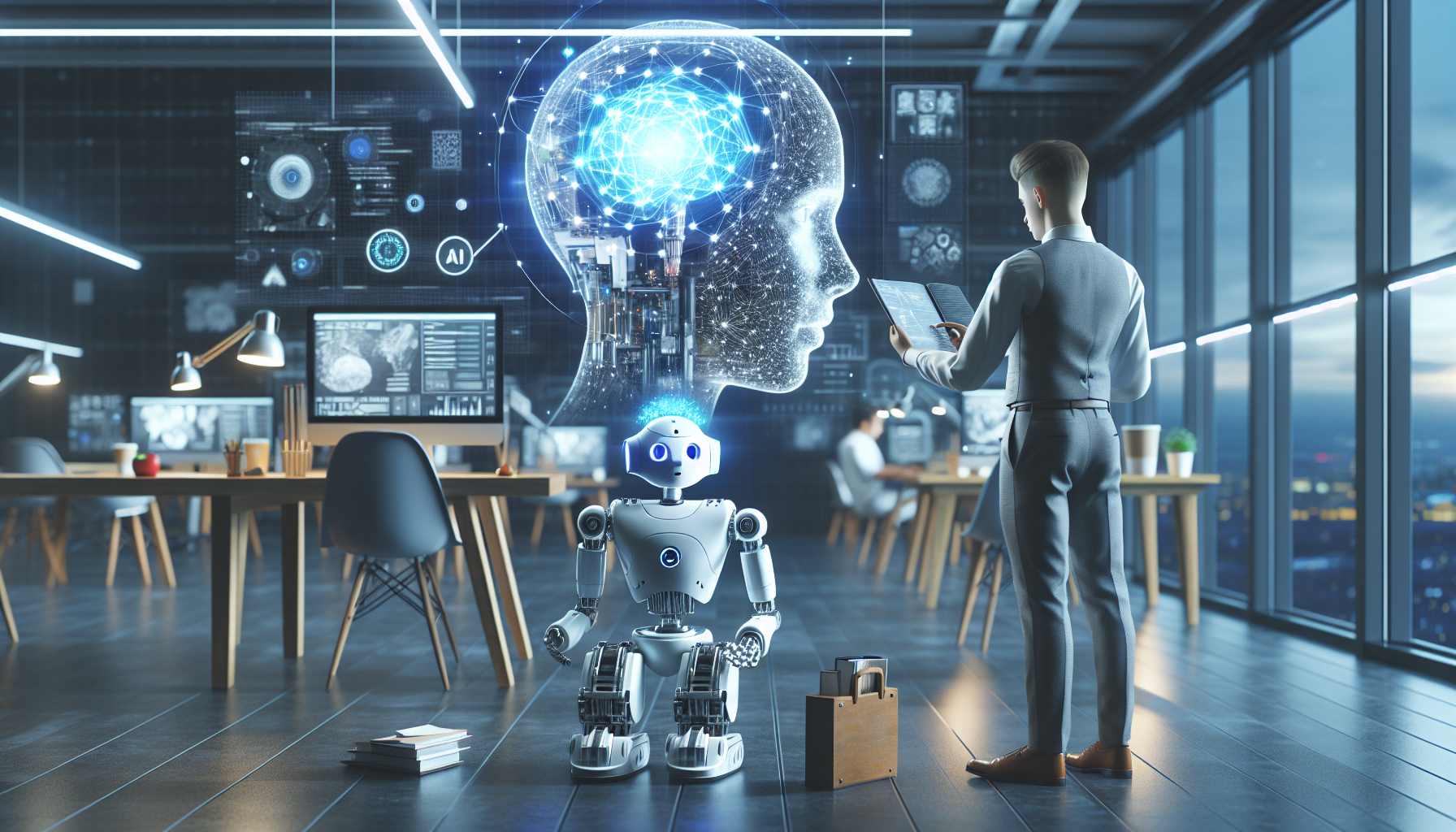
Picture this: It's a Monday morning, and you're dragging yourself to the office, only to find a robot at your desk, sipping a latte—your latte. Before you panic and try to remember if the Terminator franchise was nonfiction, take a deep breath. Welcome to the world where artificial intelligence and automation are not just science fiction fantasies but very much part of our everyday reality.
AI and the future of work have become hot topics, sparking debates about automation's impact on jobs. Will robots replace us, or are they just here to make our lives easier by handling the dull, repetitive tasks we dread? The truth is somewhere in between, sprinkled with a pinch of humor and a dash of irony.
First, let's clarify one thing: robots aren't here to steal your job—or your lunch. They're here to transform the job market, and maybe, just maybe, make the workplace a more interesting place. Imagine a world where you don't have to spend hours filling out spreadsheets or dealing with mind-numbing data entry. Instead, you could focus on creative problem-solving, strategic planning, or just finding new ways to make the office coffee machine work.
The reality is that AI is reshaping the job market in ways that are both exciting and, admittedly, a little terrifying. Automation is taking over routine tasks, but it's also creating new job opportunities that never existed before. Think about it: ten years ago, "AI ethicist" or "drone operator" weren't exactly common career goals. Now, they're viable paths, with some of the most exciting roles requiring skills no one had even considered a decade ago.
Of course, this transition isn't without its challenges. For one, there's the question of skill gaps. As AI takes over more tasks, workers need to upskill and reskill to stay relevant. It sounds daunting, but it also means the chance to learn something new—perhaps even something more interesting than perfecting your Excel formula skills. Plus, let's face it, AI is terrible at office small talk, so human skills are still very much in demand.
Now, let's talk about the elephant—or rather, the robot—in the room: job displacement. Yes, some jobs are disappearing, and that's a legitimate concern. However, history shows us that technological advances have always led to changes in the job market. Remember the Luddites, those 19th-century textile workers who smashed machines in protest? Spoiler alert: technological progress won that battle, and it will likely do so again. But this time, we have the advantage of hindsight and the opportunity to prepare for the changes.
Rather than fearing the rise of AI, we should embrace its potential to enhance our work lives. By offloading mundane tasks to machines, we can focus on what makes us uniquely human—creativity, empathy, and, yes, the ability to hold a conversation without defaulting to weather talk. Imagine a future where your workday is less about surviving the monotony and more about thriving in a dynamic environment.
So, what does this mean for the future of work? It's not about humans versus machines but rather humans and machines working together. AI can augment our abilities, making us more efficient and effective. Think of it as your new helpful colleague—albeit one that doesn't join you at happy hour or complain about the printer.
As we navigate this new landscape, we must also consider ethical implications. How do we ensure AI systems are used responsibly and don't perpetuate biases? How do we create a future where everyone benefits from technological advances, not just a select few? These are critical questions that require thoughtful consideration and collaboration across sectors.
In the end, the future of work with AI is a bit like a dance—one that requires coordination, adaptability, and a sense of humor. We may stumble occasionally, but with the right steps, we'll find a rhythm that works for everyone involved.
So, the next time you see a robot in the office, don't panic. Offer it a cup of oil and a friendly nod. After all, it might just be there to make your work life a little more exciting—or at least take over the task of organizing those endless Zoom calls.
As we embrace this new era, let's ask ourselves: How can we harness AI to not only improve productivity but also enhance the quality of our work lives? The answer may surprise us, offering possibilities we haven't yet imagined.