Natural Language Processing: The Journey from Punch Cards to Conversational AI
March 18, 2026
Let's take a journey back in time, to an era when computers were the size of a room and understanding human language was beyond the wildest dreams of technology pioneers. Today, we can chat with our devices as if they're old friends. But how did we get here? Natural Language Processing (NLP), a fascinating subset of artificial intelligence, is the magic behind machines understanding and generating human language.
Imagine language as a complex puzzle—one that early computer scientists were eager to solve. The first steps in NLP were tentative, resembling more of a shuffle than a confident stride. The initial methods involved rule-based systems that relied heavily on predefined linguistic rules. Think of it like trying to teach a toddler a new language by having them memorize a dictionary. Not very intuitive, right? Yet, these early attempts laid the groundwork for future breakthroughs.
Fast forward a bit, and we find ourselves in an era where statistical methods began to take center stage. This marked a shift from rigid rules to a more flexible approach, leveraging the power of data. Instead of telling a computer what language is, we began showing it examples and letting it figure things out. It's akin to teaching through immersion—like tossing someone in the deep end of a language pool and watching them swim. This era saw the rise of algorithms that could learn patterns from large datasets, a significant leap forward in making machines more adept at understanding us.
But here's where it gets really interesting. The advent of machine learning and, more recently, deep learning, has transformed NLP from a promising endeavor into an everyday reality. These technologies enable computers to learn from vast amounts of text, discerning nuances and subtleties that were once the exclusive domain of human interpretation. It's like giving a computer a library card and watching it devour book after book, gaining wisdom with every page.
Deep learning models, in particular, have revolutionized NLP. By mimicking the neural networks of the human brain, these models can process language in a way that's eerily similar to how we do. They don't just count words or follow rules; they understand context, sentiment, and even humor. It's as if these models have developed a sense of language that allows them to not only understand what we say but also how we say it. This capability powers everything from your voice-activated assistants to sophisticated translation services.
Now, let's pause for a moment to appreciate some of the lesser-known contributors to this fascinating field. While big tech companies often steal the spotlight, many breakthroughs have come from smaller, unexpected places. Universities and research labs around the world have played pivotal roles, nurturing the bright minds that dared to dream beyond the confines of traditional computing. These unsung heroes have pushed the boundaries of what's possible, often with limited resources but boundless curiosity.
And what about the challenges? Ah, those are plentiful. Language is a living, breathing entity, constantly evolving with slang, idioms, and cultural shifts. Teaching a machine to understand this fluidity is no small feat. Yet, it's precisely these challenges that make NLP so captivating. Each hurdle overcome is a testament to human ingenuity and the relentless pursuit of understanding.
So, where does this leave us? We're at an exciting crossroads, with AI poised to understand and generate language with unprecedented accuracy. Imagine the possibilities: more intuitive interfaces, seamless global communication, and a world where language barriers are a thing of the past. Yet, as we marvel at these advancements, we must also ponder the implications. How will this newfound fluency in human language shape our interactions with technology and each other? Will it enhance human connection or create new forms of dependency?
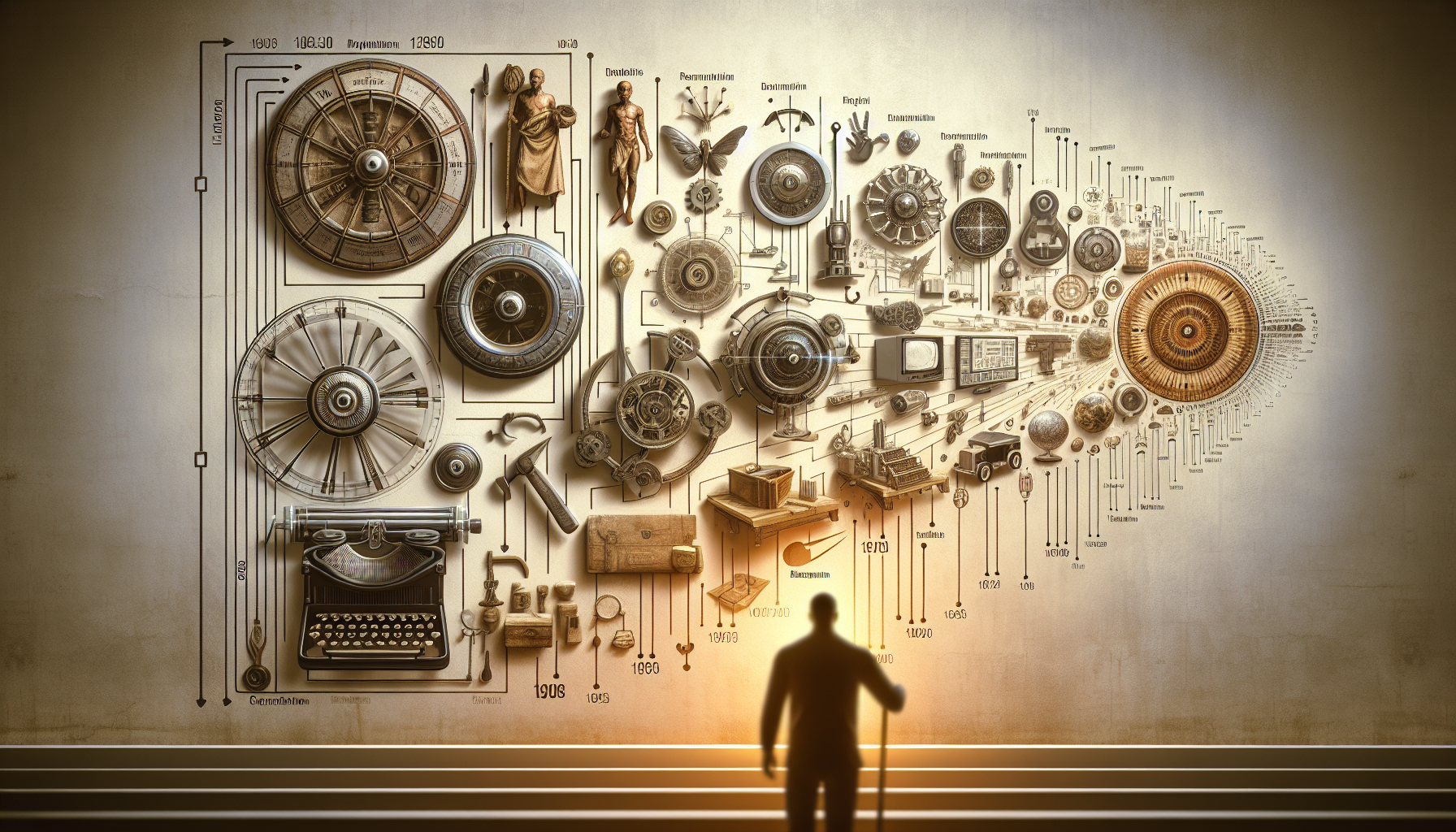
As we continue to explore the depths of NLP, these are questions worth pondering. The story of how AI has come to understand human language is far from over. In many ways, it's just beginning. The journey from punch cards to conversational AI is a testament to the power of innovation and the unyielding quest to bridge the gap between man and machine. So, what's next on this extraordinary journey? Only time—and perhaps a few more algorithmic breakthroughs—will tell.