AI in Retail: Transforming Tomorrow's Shopping Experience
May 11, 2026
Imagine walking into your favorite store where every shelf is stocked precisely with products tailored to your preferences, and the checkout experience is seamless and swift. This is not a futuristic fantasy; it's the reality AI is crafting in the retail sector. Retailers are swiftly embracing artificial intelligence to redefine the customer experience, and the implications for the future are as vast as they are exciting.
AI is not just a tool for automating mundane tasks; it is the architect of a new retail paradigm where customer experience is at the heart of every interaction. Predictive analytics and machine learning algorithms are at the forefront of this transformation. They enable retailers to anticipate consumer needs with remarkable accuracy. By analyzing shopping patterns, AI can forecast trends and personalize marketing strategies, ensuring that customers are met with the right products at the right time.
Consider the power of personalized recommendations powered by AI. These systems can analyze a customer's past purchases, online interactions, and even social media activity to suggest products that are more likely to appeal to them. This level of personalization not only enhances customer satisfaction but also significantly boosts sales. Retailers can now cultivate loyalty by making each shopping experience uniquely tailored to individual preferences.
But AI's influence doesn't stop at recommendations. It's revolutionizing inventory management, a crucial aspect of retail operations. Gone are the days of overstocked warehouses or empty shelves. AI systems can predict inventory needs based on real-time sales data, seasonal trends, and external factors like weather patterns. This ensures optimal stock levels, reduces waste, and cuts down on storage costs. For retailers, this means a leaner, more efficient operation that can adapt swiftly to changing market demands.
Moreover, AI is reshaping the very layout and ambiance of physical stores. With insights derived from data analytics, retailers can design store layouts that optimize customer flow, highlight popular products, and create an engaging shopping environment. AI-driven heat mapping technologies track customer movements and preferences, allowing retailers to continuously refine and enhance the shopping experience. This dynamic approach ensures that brick-and-mortar stores remain relevant in an increasingly digital world.
One of the most promising applications of AI in retail is its role in enhancing customer service. Imagine chatbots that not only answer queries but also understand the emotional tone of a customer's message, providing empathetic and effective assistance. These AI-driven virtual assistants are available 24/7, offering immediate support and freeing up human staff to tackle more complex inquiries. This blend of AI and human interaction creates a seamless service experience that builds trust and fosters long-term customer relationships.
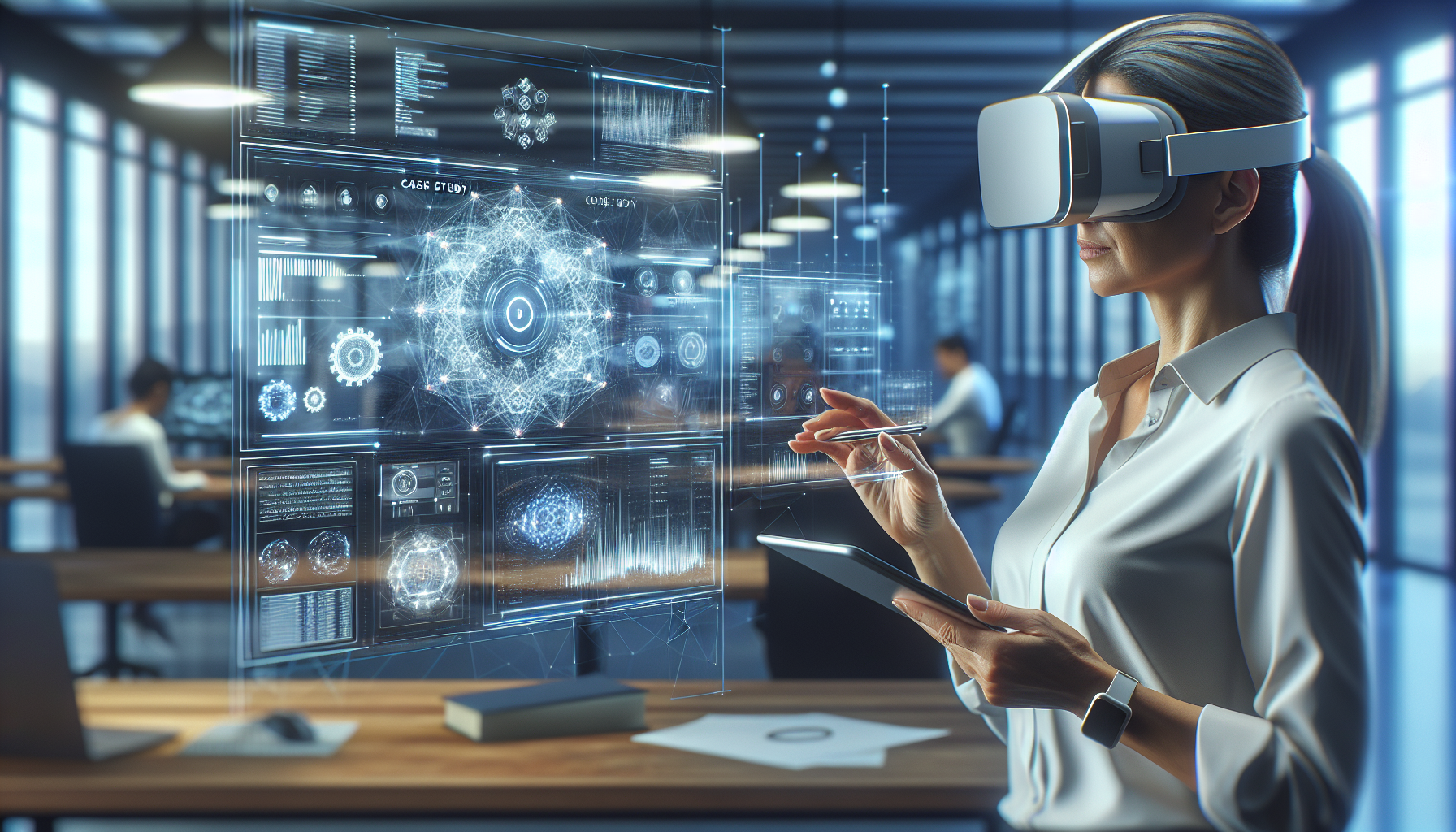
As we look to the future, the integration of AI and augmented reality (AR) is poised to create even more immersive shopping experiences. Picture trying on clothes virtually or visualizing how a piece of furniture would fit into your living room without leaving your home. This fusion of AI and AR can eliminate the guesswork from online shopping, reducing return rates and enhancing customer satisfaction.
However, the rise of AI in retail is not without challenges. Privacy concerns loom large as AI systems collect and analyze vast amounts of consumer data. Retailers must navigate these concerns with transparency and ethical data practices to maintain consumer trust. Furthermore, the shift towards AI-driven operations will require a workforce skilled in data analysis and AI technologies, necessitating investment in education and training.
Despite these challenges, the potential benefits of AI in retail are too significant to ignore. This technology is not merely a trend; it is the cornerstone of a revolution that is set to reshape how we shop and interact with brands. Retailers who embrace AI will not only enhance their customer experience but also gain a competitive edge in an increasingly crowded market.
The future of retail, powered by AI, is not just about efficiency and personalization; it's about creating meaningful connections between brands and consumers. As AI continues to evolve, what new possibilities will emerge? How will the retail landscape adapt to these innovations, and what role will consumers play in shaping this future? These questions invite us to imagine and explore a retail world where technology and human experience are intricately woven together, promising a future of endless possibilities.