AI and the Rise of Robo-Rembrandts: How Algorithms Are Shaking Up the Art World
December 31, 2025
Move over, Da Vinci—there's a new artist in town, and it doesn't even need a beret. Artificial intelligence has officially made its debut on the art scene, and it's causing quite a stir. Once upon a time, the only masterpieces machines were known for involved assembling cars or making a mean cup of coffee. Now, they're busy creating art that could make a Renaissance painter weep into their palette.
AI's artistic dalliance began innocently enough, like a toddler discovering crayons. It all started with simple tasks—enhancing photos, creating digital doodles, and generating abstract patterns that looked like a unicorn's fever dream. But as algorithms grew more sophisticated, they began to tackle more complex projects, from composing symphonies to writing novels. These digital da Vincis have evolved, and their impact on art and creativity is nothing short of revolutionary.
Let's take a stroll through the history books—or at least the digital archives—to explore how AI has transformed from a mere tool into an artist with its own style.
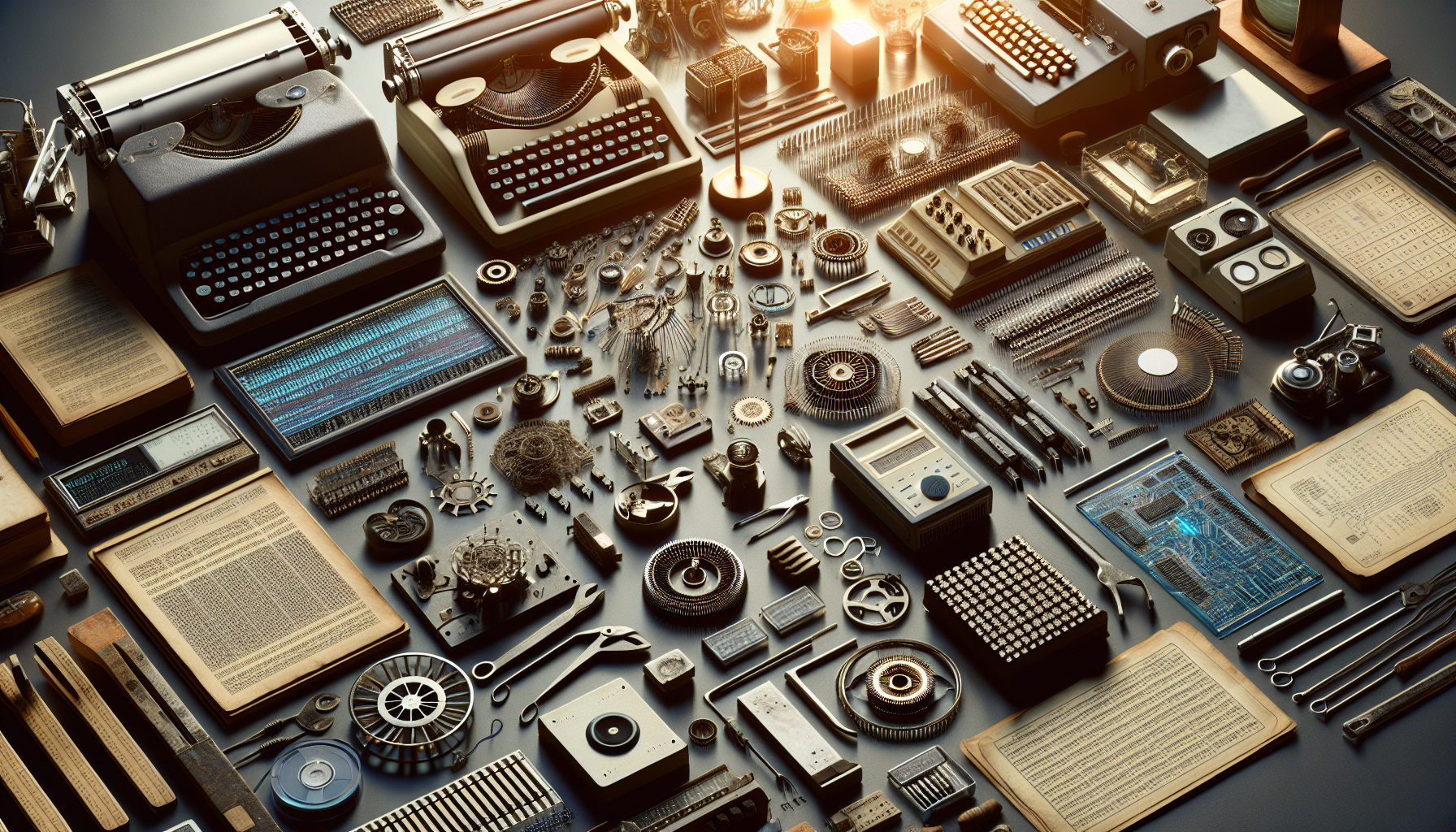
The notion of machines making art might seem as outlandish as a Picasso during a particularly experimental phase. But it's not as new as you might think. The seeds were sown when early computer scientists began toying with the idea of teaching machines to think creatively. Of course, back then, "thinking creatively" meant drawing a straight line without crashing. Baby steps, folks.
Fast forward to today, and AI has become the Picasso of pixels. Algorithms are now capable of generating artwork that can provoke, inspire, and occasionally confuse—much like a modern art exhibit. One of the most intriguing aspects of AI art is its ability to blend styles and genres in ways that humans might never consider. Imagine a mashup of Van Gogh's swirling skies with Mondrian's straight lines. It's like a surreal game of artistic Mad Libs.
But the journey wasn't without its hiccups. In the early days, AI-generated art often looked like something your cat might create after a particularly wild night on the town. Then, through a process as mysterious as a magician's trick, the technology improved. Developers fine-tuned algorithms, and AI learned from a vast array of artistic styles, absorbing them like a sponge with a particularly keen interest in Impressionism.
One of the more entertaining aspects of AI's foray into art is its penchant for naming its creations. These titles range from the poetic to the bizarre, prompting art critics everywhere to scratch their heads in bemusement. "Untitled #4532" might not roll off the tongue, but it's the thought—or lack thereof—that counts.
While AI's influence in the art world has been largely positive, not everyone is ready to welcome our new robot overlords with open arms. Critics argue that AI lacks the emotional depth and personal experience that human artists bring to their work. After all, a machine never experienced the heartbreak of a failed romance or the joy of finding the perfect shade of cerulean blue. Yet, supporters claim that AI offers a fresh perspective, free from the constraints of human biases and limitations.
Moreover, AI is democratizing art, allowing anyone with a computer and a bit of curiosity to create their own masterpieces. This has opened the floodgates for creativity, enabling people who might never have picked up a paintbrush to express themselves artistically. It's like handing a toddler a drum set—chaotic, but with the potential for brilliance.
As AI continues to evolve, its role in art and creativity will likely expand in ways we can't yet imagine. Perhaps one day, we'll see AI-generated works hanging in the Louvre, right next to the Mona Lisa. Or maybe we'll witness a collaboration between human artists and their digital counterparts, producing works that combine the best of both worlds.
So, can a machine ever truly capture the essence of the human experience? Or is it simply mimicking patterns and styles, like a parrot repeating phrases it doesn't understand? These are the questions that artists, critics, and tech enthusiasts will grapple with as AI continues to shape the landscape of art.
In the end, whether you're a fan of AI art or a staunch traditionalist, there's no denying that the intersection of technology and creativity is a thrilling space to watch. Who knows? The next time you visit an art gallery, you might find yourself admiring a painting that was brought to life not by a human hand, but by a clever algorithm with a penchant for the abstract.