AI and Cybersecurity: The Silent Battle Against Digital Threats
April 21, 2026
Artificial Intelligence (AI) is often heralded as the harbinger of a new technological era, transforming industries from healthcare to finance. However, one of its most critical applications, often less visible to the public eye, is in the realm of cybersecurity. As digital threats grow more sophisticated, the role of AI in protecting sensitive data and systems becomes increasingly imperative. This silent battle is as crucial as it is complex, raising pertinent questions about the future of digital security.
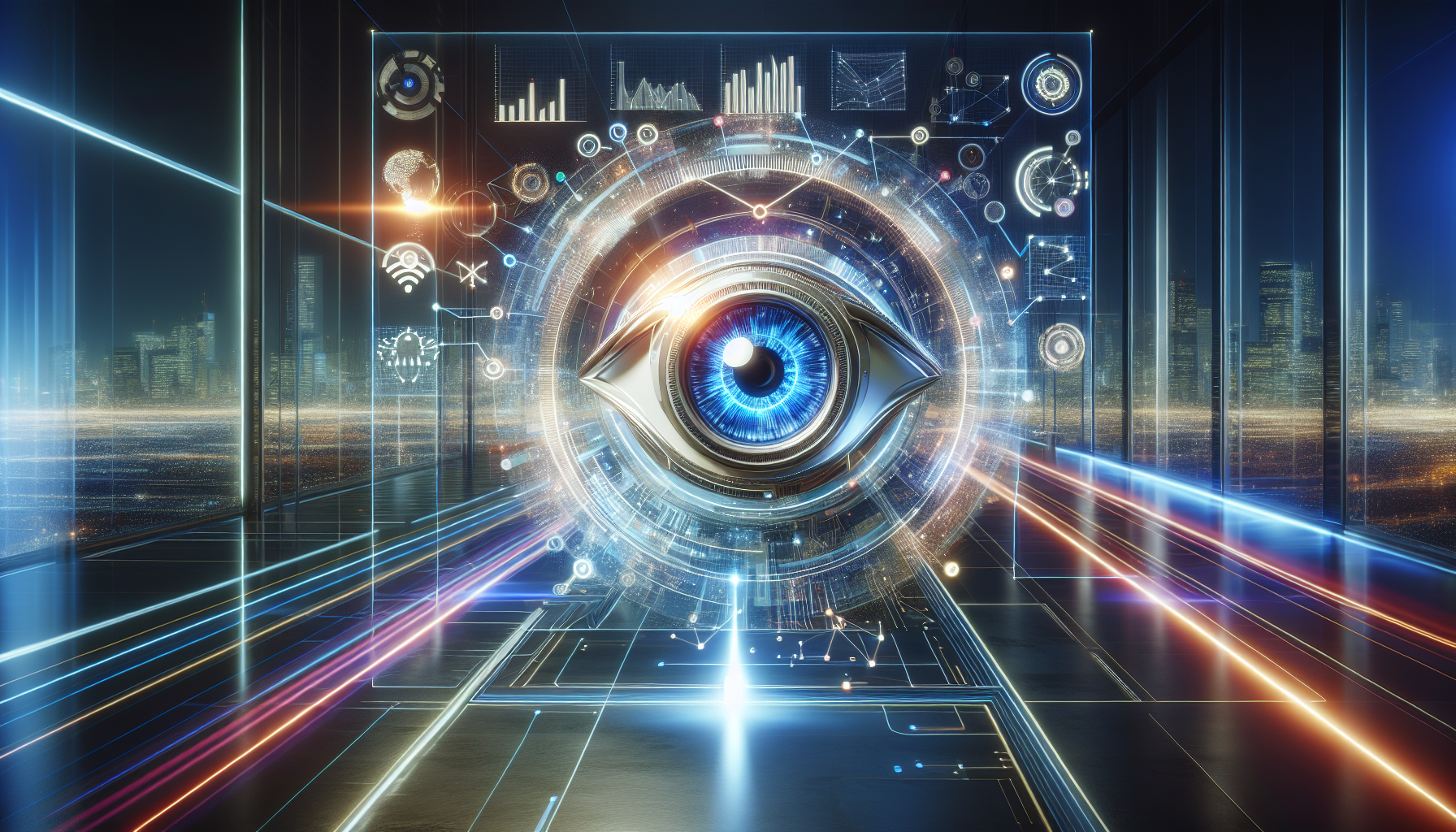
The digital landscape is an arena where cyber threats evolve rapidly, often outpacing conventional security measures. Herein lies the potential of AI: its ability to learn, adapt, and predict makes it an invaluable tool in the cybersecurity arsenal. Unlike traditional systems that operate on static rules, AI can analyze patterns and anomalies in real-time, allowing for proactive threat detection. This capability is particularly vital given the volume and speed of information traffic in today's interconnected world.
Yet, to merely view AI as a defensive measure is to underestimate its potential. AI's predictive analytics can identify vulnerabilities within systems before they are exploited. By simulating potential attack vectors, AI enables organizations to fortify their defenses, effectively pre-empting cyberattacks. This proactive stance is a departure from the reactive nature of traditional cybersecurity strategies, marking a paradigm shift towards anticipatory security.
However, the integration of AI into cybersecurity is not without its challenges. One of the most pressing concerns is the ethical implications of AI decision-making. As AI systems become more autonomous, questions arise regarding the accountability of decisions made by these systems. Who is responsible if an AI fails to prevent a breach, or worse, if it inadvertently facilitates one? Addressing these concerns is essential to maintaining trust in AI-driven cybersecurity solutions.
Another significant challenge is the potential for AI systems themselves to become targets. Cybercriminals are increasingly sophisticated, and the possibility of AI systems being manipulated or deceived is a real threat. Adversarial attacks, where malicious actors input deceptive data to confuse AI systems, highlight the need for robust and resilient AI models. The defense against such threats must be as innovative as the AI systems themselves, requiring constant vigilance and adaptation.
Furthermore, the deployment of AI in cybersecurity raises broader societal questions about privacy and data protection. AI systems require vast amounts of data to function effectively, which can lead to concerns about surveillance and the erosion of individual privacy. Striking a balance between effective security and the protection of civil liberties is a challenge that policymakers and technologists must navigate carefully.
Despite these challenges, the potential benefits of AI in cybersecurity are undeniable. As cyber threats become more pervasive and damaging, the cost of inaction could far outweigh the risks associated with AI implementation. Organizations must weigh these factors carefully, considering not just the immediate benefits, but also the long-term implications of AI deployment.
There is also the question of global cooperation in the realm of AI and cybersecurity. Cyber threats do not recognize borders, and a fragmented approach to digital security could leave gaps that are easily exploited. International collaboration and the establishment of standards for AI in cybersecurity could foster a more unified and effective defense against cyber threats. However, achieving consensus on such a global scale is a formidable task, requiring cooperation across political, cultural, and technological divides.
As we stand on the brink of a new era in cybersecurity, it is clear that AI will play a pivotal role in shaping its future. The integration of AI into cybersecurity strategies is not simply an option; it is a necessity. However, this integration must be approached with caution and foresight. As we harness the power of AI to protect against digital threats, we must also ensure that these systems are transparent, accountable, and aligned with societal values.
The path forward is fraught with challenges, but it is also rich with opportunity. How we navigate this path will determine not only the future of cybersecurity but also the broader relationship between humans and intelligent machines. In the quest for security, will AI prove to be a steadfast ally, or will it introduce complexities that we have yet to fully comprehend? The answer will shape our digital future in profound ways.