The Science Behind AI: How Algorithms and Data Structures Drive Innovation
January 28, 2026
In the bustling realm of artificial intelligence, the magic that turns a simple device into a powerful tool of human aid lies in the intricate dance between algorithms and data structures. At the heart of this technological marvel is a compelling case study that exemplifies the transformative power of AI: the development of AI-driven medical diagnosis systems. This exploration not only showcases the scientific foundation of AI but also makes a persuasive case for its potential to revolutionize industries.
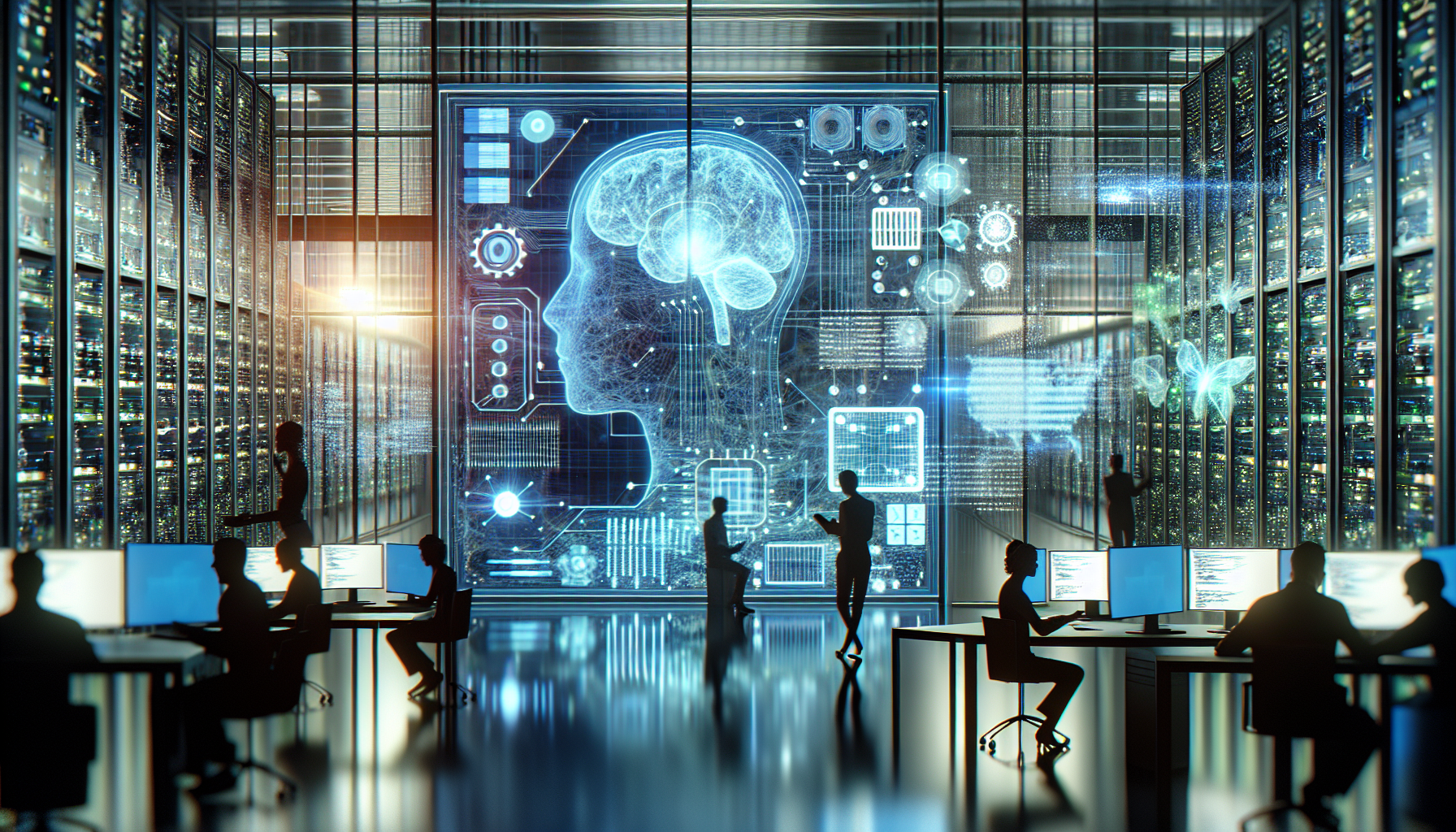
Imagine a system capable of diagnosing complex diseases with the precision of a seasoned specialist. This scenario is not science fiction but a reality made possible by the intelligent application of algorithms and data structures. Consider, for instance, an AI platform designed to detect early signs of cancer through medical imaging. This platform leverages convolutional neural networks (CNNs), a type of deep learning algorithm that excels at recognizing patterns in visual data. The CNNs sift through thousands of medical images, learning to identify subtle anomalies that might elude even the most trained eyes.
The true power of these algorithms lies in their ability to learn and improve over time. Initially, the AI system is fed a vast dataset comprising labeled images of cancerous and non-cancerous tissues. The data structures employed here are crucial—they organize and manage the data efficiently, enabling the algorithm to access and process information swiftly. As the system analyzes more images, it refines its diagnostic capabilities, becoming increasingly accurate. This self-improvement aspect is what sets AI apart, transforming it into a tool that not only assists but enhances human expertise.
Beyond medical imaging, algorithms and data structures play a pivotal role in natural language processing (NLP)—another AI frontier that has seen remarkable advancements. Consider a chatbot designed to provide mental health support. The underlying algorithm must not only understand the nuances of human language but also respond empathetically. This requires sophisticated data structures that can parse sentences, identify emotional cues, and generate appropriate responses. The algorithm learns from vast corpora of text, gradually developing a nuanced understanding of human emotions and language patterns.
What makes these AI systems truly persuasive is their ability to democratize expertise. In regions where access to specialized medical professionals is limited, AI can bridge the gap, offering preliminary diagnoses and recommendations. Similarly, in mental health, AI-driven chatbots provide immediate support to individuals in distress, often serving as the first line of contact. These applications highlight AI's potential to extend the reach of human expertise, making critical services more accessible and affordable.
Critics often raise concerns about the ethical implications of AI, particularly regarding privacy and data security. However, the case study of AI in healthcare demonstrates that these challenges can be addressed through robust data governance frameworks. By employing secure data structures and ensuring transparency in algorithmic decision-making, developers can build trust with users and stakeholders. This transparency not only safeguards privacy but also enhances the credibility of AI systems, encouraging broader adoption.
Moreover, the integration of AI into existing workflows requires a paradigm shift in how organizations operate. Businesses must invest in upskilling their workforce, ensuring that employees can work alongside AI systems effectively. This synergistic relationship between humans and AI can lead to unprecedented levels of innovation and productivity. Companies that embrace this shift stand to gain a significant competitive advantage, leveraging AI to uncover insights and drive strategic decisions.
As we delve deeper into the science behind AI, it becomes evident that the interplay between algorithms and data structures is the linchpin of its success. These technological foundations enable AI to mimic, and in some cases surpass, human capabilities, offering solutions to complex problems across various domains. The case study of AI-driven medical diagnosis underscores the transformative potential of this technology, providing a glimpse into a future where AI-enhanced systems are integral to our daily lives.
The journey of AI is one of continuous learning and adaptation. As algorithms evolve and data structures become more sophisticated, the possibilities for innovation are boundless. The question then arises: How can we harness the full potential of AI while navigating the ethical and societal challenges it presents? This inquiry invites us to explore new frontiers, challenging us to rethink the role of technology in shaping a better world.