AI and Cybersecurity: How Smart Tech Shields Us from Digital Dangers
January 28, 2026
Imagine this: you’re sipping your morning coffee, casually scrolling through your emails, when suddenly, your phone buzzes with a security alert. A cyberattack is being thwarted in real-time by artificial intelligence. It sounds like the stuff of science fiction, yet it's very much a reality. AI is rapidly becoming the unsung hero in the battle against digital threats.
Cybersecurity is like a high-stakes chess game where hackers and defenders are constantly trying to outsmart each other. With AI stepping onto the board, the game has changed significantly. But how exactly does AI bolster cybersecurity? Let’s dive into this intriguing relationship and explore the ways AI is transforming the digital battleground.
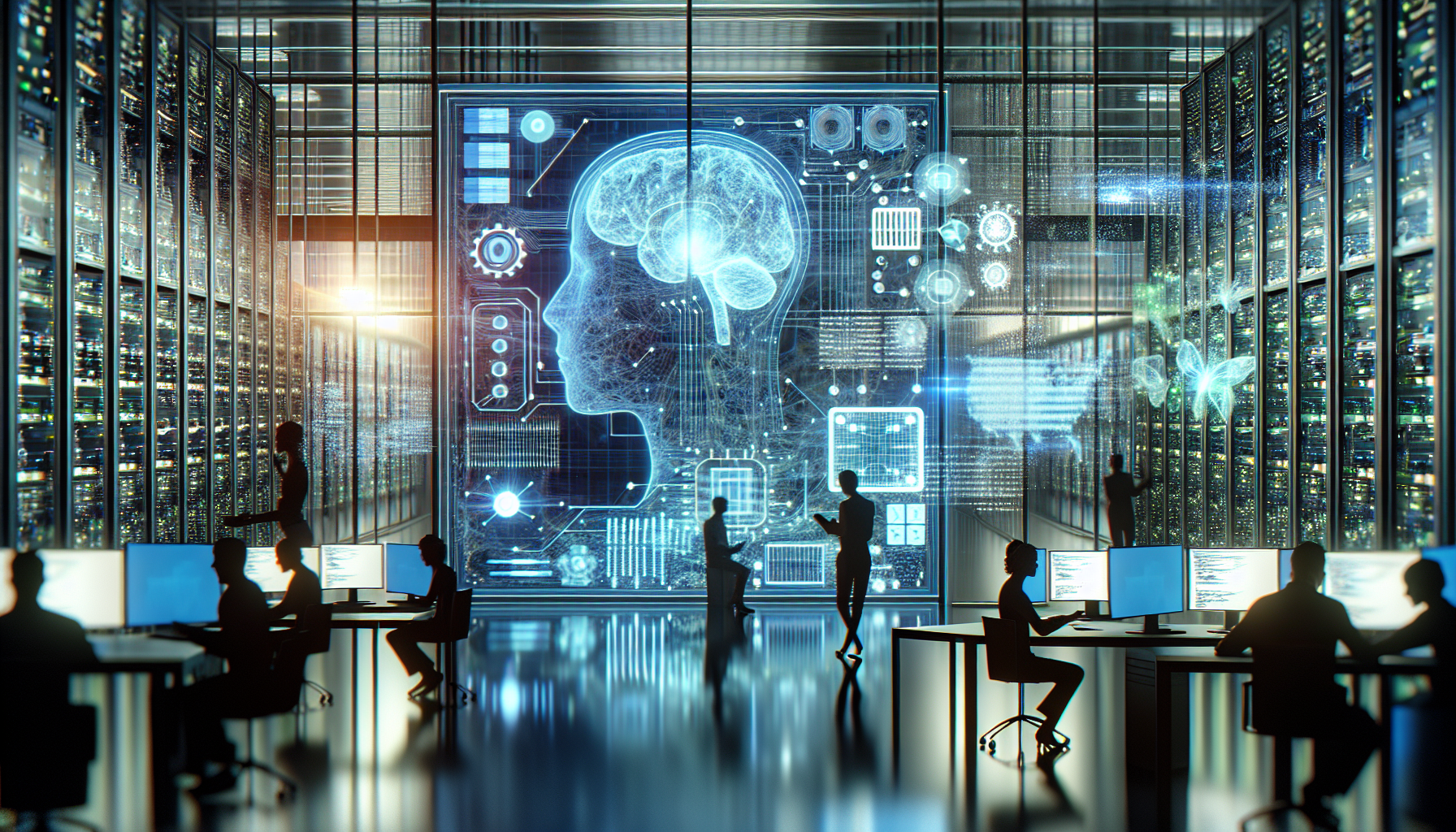
Firstly, let's talk about speed and efficiency. Traditional cybersecurity methods often rely on databases of known threats, which means they can be slow to respond to new, unknown threats. AI, on the other hand, excels at recognizing patterns and anomalies. Machine learning algorithms can process vast amounts of data at lightning speed, identifying potential threats before they become full-blown attacks. This proactive approach is a game-changer. It’s like having a security guard who knows every visitor’s face and can instantly spot someone who doesn’t belong.
But AI's role in cybersecurity isn’t just about speed. Let’s consider adaptability. Cyber threats are not static; they evolve, becoming more sophisticated with each passing moment. AI systems learn and adapt in real-time, continuously improving their defenses against emerging threats. This adaptability is crucial because it means AI can keep up with, and often outpace, the latest hacking techniques. Imagine having a personal bodyguard who not only learns martial arts but also picks up new fighting styles as they’re invented.
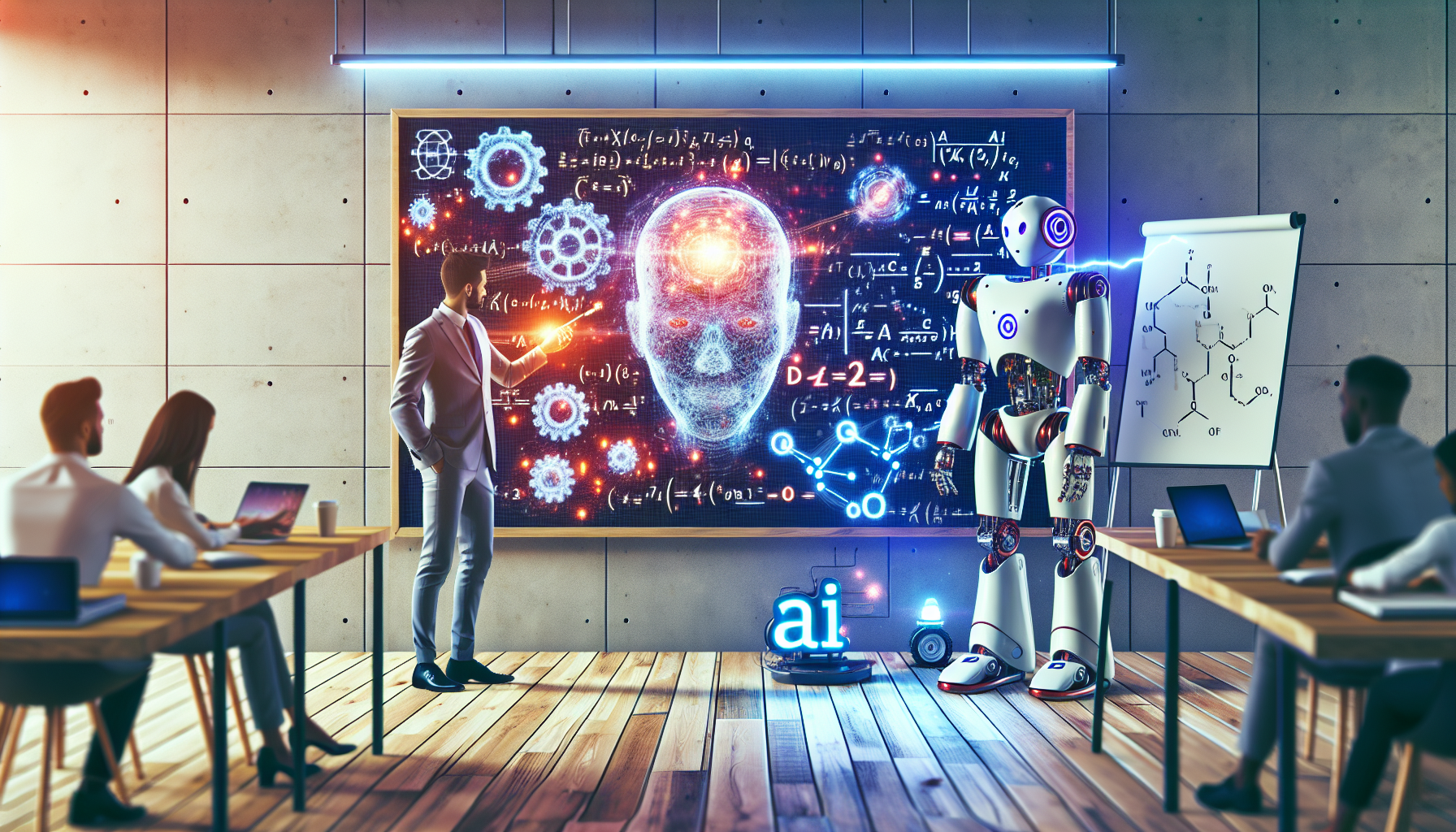
Now, you might be wondering about the human element. Where do people fit into this high-tech equation? The truth is, AI and human expertise complement each other beautifully. AI handles the heavy lifting—scanning vast networks for threats, analyzing data, and providing insights—while human cybersecurity experts make strategic decisions based on AI-provided information. Think of it as a dynamic duo where AI is the ever-vigilant lookout, and humans are the savvy decision-makers.
Let’s not overlook the role of AI in predicting future threats. Predictive analytics, powered by AI, can forecast potential security breaches before they happen. By analyzing historical data and current trends, AI can identify vulnerabilities and suggest preventive measures, effectively nipping potential attacks in the bud. It's like having a crystal ball that doesn’t just predict the future but actively works to change it.
However, it's important to acknowledge the challenges. AI in cybersecurity isn’t a silver bullet. Just as defenders use AI, so too do attackers. Hackers are increasingly leveraging AI to develop more sophisticated attacks, leading to an ongoing arms race. This raises ethical questions about the use of AI in warfare and the responsibility of developers to ensure AI is used for good.
Moreover, AI systems require massive amounts of data to function effectively, which brings up privacy concerns. The balance between security and privacy is delicate, and ensuring AI systems respect user privacy while defending against threats is a critical challenge that the industry continues to grapple with.
Despite these challenges, the partnership between AI and cybersecurity is undeniably promising. As we continue to rely on digital platforms for everything from banking to healthcare, the need for robust cybersecurity measures is more pressing than ever. AI offers a powerful tool in this fight, providing speed, adaptability, and predictive capabilities that traditional methods simply cannot match.
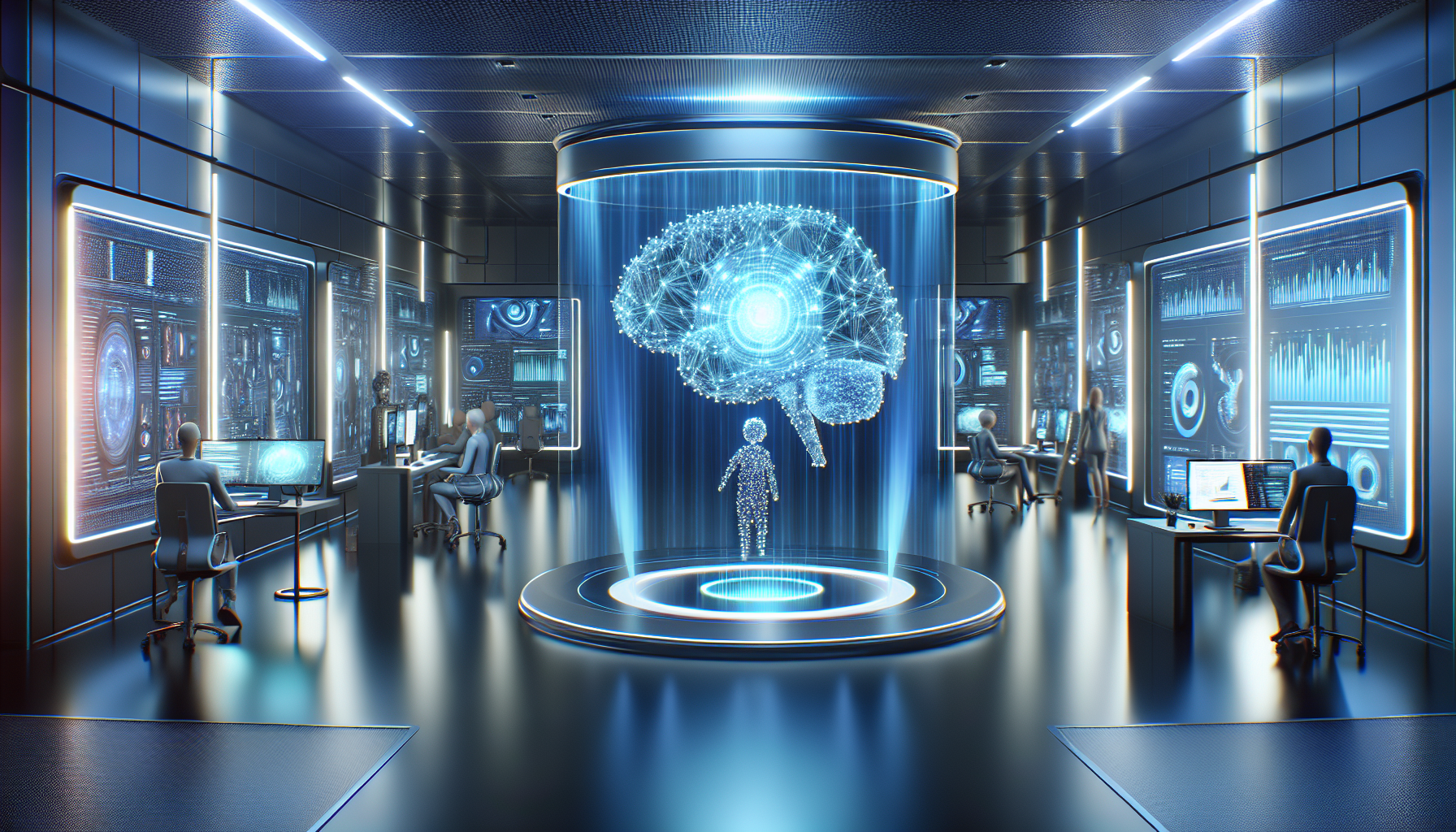
So, where do we go from here? The future of AI in cybersecurity is filled with potential. As technology continues to advance, the possibilities are endless. Could we see AI systems that not only protect against threats but also repair damage in real-time? How about AI-powered digital twins that simulate entire networks to predict and prevent attacks before they occur?
The intersection of AI and cybersecurity is a fascinating field, ripe for exploration and innovation. As we embrace this brave new world, one thing is certain: AI will play an integral role in keeping our digital lives safe and secure. As we ponder the future, let's consider the possibilities and challenges, always striving for a digital landscape where security and privacy coexist harmoniously.