The Science Behind AI: Exploring the Algorithms and Data Structures Shaping Our Future
January 12, 2026
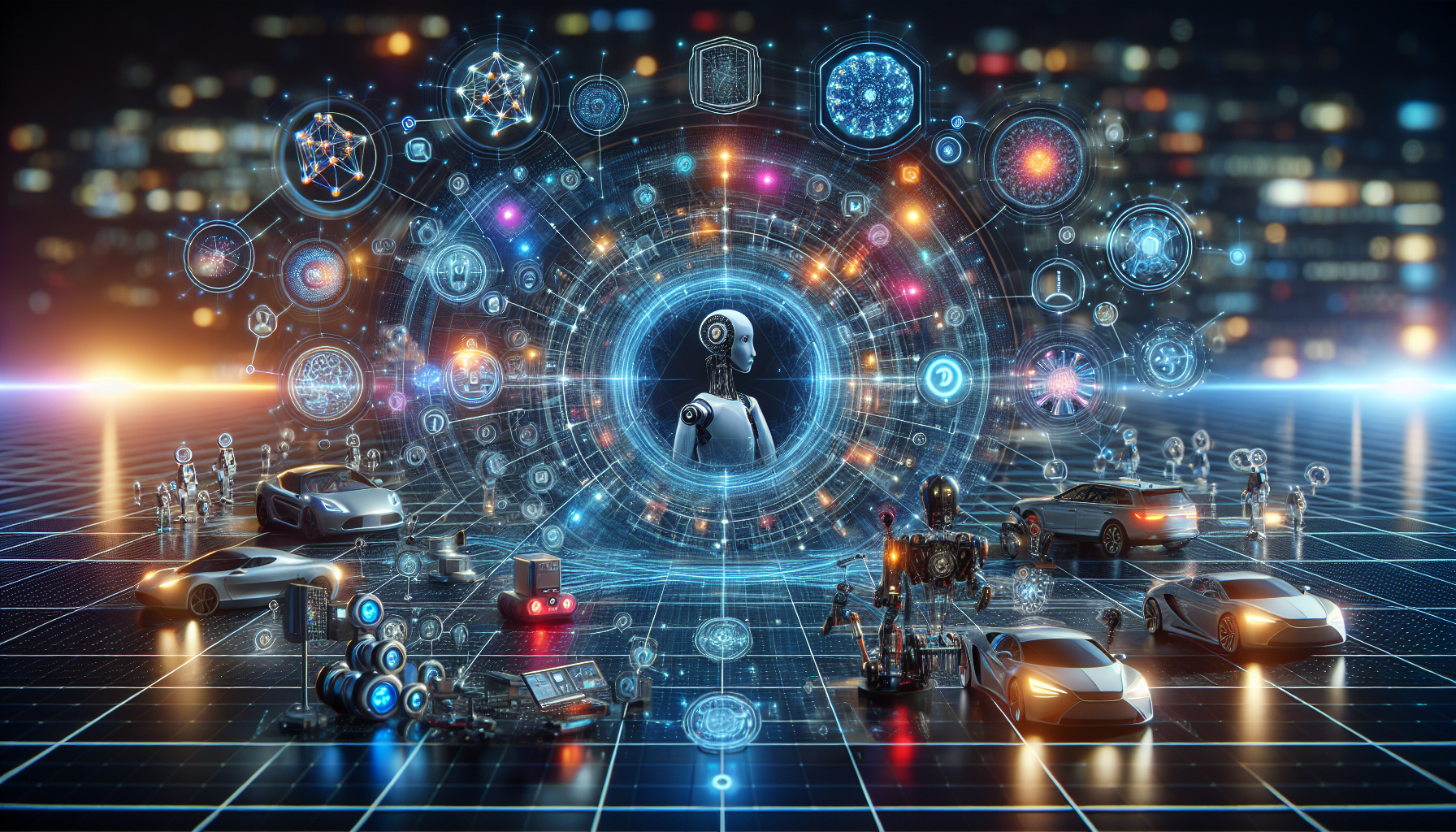
Artificial intelligence isn't just a buzzword tossed around in tech circles—it's a fascinating field brimming with intricate science, a world where algorithms and data structures are the unsung heroes. If you've ever wondered how AI systems like Siri or self-driving cars make decisions, you're diving into the realm of algorithms and data structures. These are the backbone of AI, guiding machines to think, learn, and evolve.
Let's begin with algorithms. Think of them as recipes. Just as a recipe guides a chef to create a dish, algorithms instruct computers on how to solve problems. In AI, these problems can range from recognizing a cat in a photo to translating languages. The magic, or rather the science, lies in the types of algorithms used.
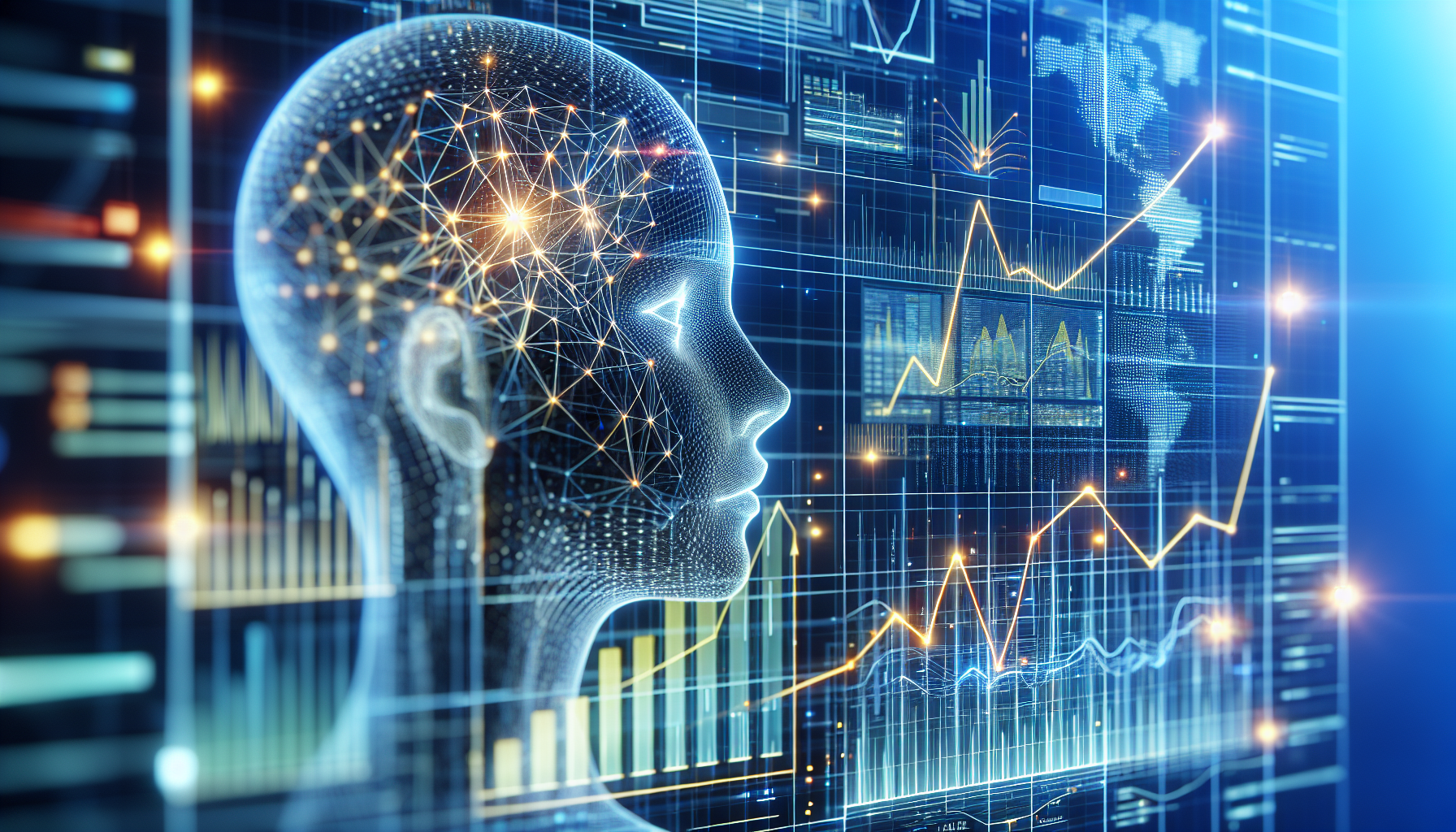
One of the most intriguing algorithms is neural networks. Inspired by the human brain, neural networks allow AI to perform tasks by analyzing patterns. They consist of interconnected nodes or "neurons" that process data in layers. Each layer extracts features from the input data, gradually piecing together solutions. This approach has made significant strides in fields like image and speech recognition, where pattern detection is crucial.
But neural networks are just part of the story. Decision trees, another type of algorithm, are equally compelling. Picture a flowchart guiding you through a series of yes-or-no questions, leading you to a final decision. That's essentially what decision trees do. They are particularly effective in classification tasks, such as determining whether an email is spam or not. By systematically narrowing down options, they offer a straightforward approach to decision-making.
Now, let's pivot to data structures. If algorithms are recipes, data structures are the ingredients. They organize and store data so that algorithms can process it efficiently. Without the right data structures, even the most sophisticated algorithms would flounder.
Consider the humble array—one of the simplest data structures. Arrays store collections of elements, making it easy for algorithms to access and manipulate data quickly. However, when dealing with more complex data relationships, AI taps into advanced structures like graphs. Graphs consist of nodes connected by edges, representing relationships between entities. This structure is indispensable in network analysis, such as mapping social connections or optimizing transportation routes.
Linked lists, hash tables, and stacks are other data structures that play vital roles in AI. Each brings unique strengths to the table, from fast data retrieval to efficient memory usage. The choice of data structure can dramatically impact an AI system's performance, making it a critical decision in the development process.
As AI technology advances, the interplay between algorithms and data structures becomes even more intricate. Machine learning, a subset of AI, exemplifies this complexity. It relies heavily on algorithms that can learn from data, adapt, and improve over time. The iterative process of training and refining these models is where data structures shine, ensuring that data is handled in a way that maximizes learning potential.
Interestingly, the trend in AI development is moving towards algorithms that require less human intervention. AutoML, or automated machine learning, is a burgeoning field aiming to streamline the creation of machine learning models. By automating the selection of algorithms and data structures, AutoML democratizes AI, allowing even those without deep technical expertise to harness its power. This trend could significantly broaden AI's reach, opening up new possibilities across industries.
Despite these advancements, AI is not without its challenges. The ethical implications of AI-driven decisions are a hot topic. Algorithms reflect the data they're trained on, which means biased data can lead to biased outcomes. Ensuring fairness and transparency in AI systems is an ongoing challenge that requires thoughtful consideration of both the algorithms and data structures involved.
So, what does the future hold for AI? As we continue to refine algorithms and develop more efficient data structures, the potential applications of AI are boundless. Yet, with great power comes great responsibility. How we choose to wield this technology will shape the societies of tomorrow.
The science behind AI is a testament to human ingenuity, a complex tapestry woven with algorithms and data structures. As we push the boundaries of what's possible, the question remains: How will we ensure that these advancements serve humanity, enhancing our lives while safeguarding our values?