The Impact of AI on Education: Envisioning the Future of Personalized Learning Experiences
January 11, 2026
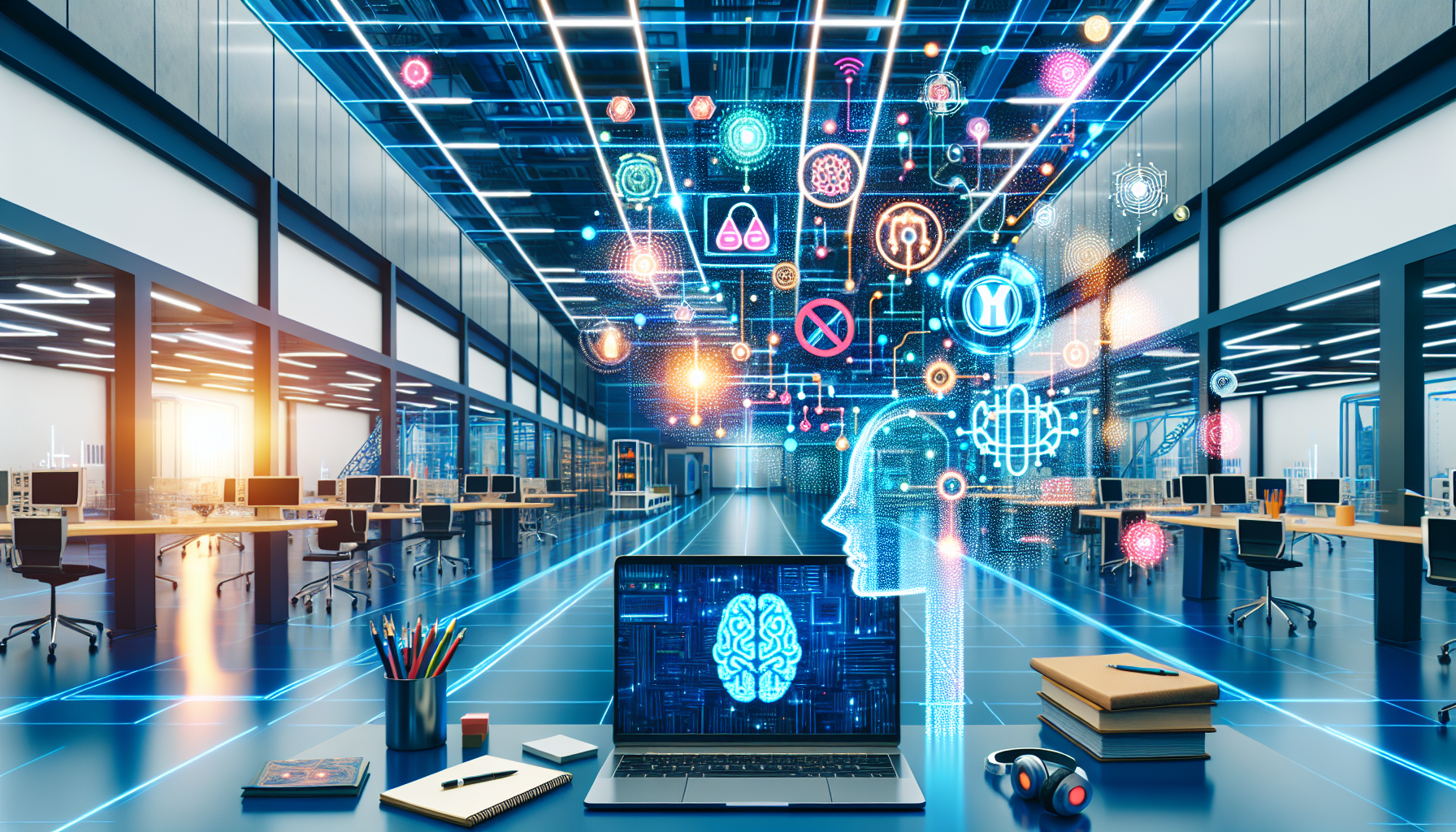
Artificial Intelligence (AI) is poised to revolutionize education by offering personalized learning experiences that cater to individual student needs. This transformation promises to address longstanding educational challenges, creating a more inclusive, efficient, and adaptive learning environment. As AI continues to evolve, its integration into education prompts us to consider future scenarios, where personalized learning may redefine how knowledge is imparted and acquired.
The essence of personalized learning lies in its ability to tailor educational experiences to the unique needs of each student. Traditional educational models often struggle to accommodate diverse learning styles and paces. AI, however, holds the potential to dynamically adjust curricula, providing customized content that aligns with each learner’s progress and preferences. This approach not only enhances student engagement but also fosters a deeper understanding of subject matter, as learners receive the support they require precisely when they need it.
A key aspect of AI's contribution to personalized learning is its capacity for real-time data analysis. By collecting and analyzing data on student performance, AI systems can identify patterns and predict future learning trajectories. This capability enables educators to intervene proactively, offering targeted assistance to students who may be struggling with specific concepts. Furthermore, AI can facilitate the identification of a student's strengths, guiding them toward areas where they are likely to excel and thus enhancing their educational journey.
The implementation of AI in education also promises to democratize learning opportunities. By breaking down geographic and socioeconomic barriers, AI-driven platforms can provide access to high-quality educational resources to students worldwide. This democratization is especially significant in under-resourced regions, where traditional educational infrastructure may be lacking. AI-powered tools can offer interactive and engaging content, making learning more accessible and equitable.
Looking ahead, one can envision a future where AI not only personalizes content but also adapts the entire educational environment to suit individual learners. Imagine classrooms where AI systems adjust lighting, sound, and even room temperature based on the preferences and needs of students. Such environments would optimize learners' comfort and concentration, fostering a more effective and enjoyable educational experience.
Furthermore, AI has the potential to facilitate lifelong learning by providing personalized learning paths that extend beyond formal education. In a world where industries and technologies evolve rapidly, the ability to reskill and upskill becomes crucial. AI could play a pivotal role in guiding individuals through continuous learning journeys, suggesting courses, workshops, and resources that align with their career goals and interests.
Despite its promise, the integration of AI into education is not without challenges. Concerns regarding data privacy and security are paramount, as AI systems require access to vast amounts of personal information to function effectively. Ensuring the ethical use of data and maintaining transparency in AI-driven educational tools is essential to building trust among students, educators, and parents.
Moreover, the reliance on AI should not overshadow the irreplaceable value of human educators. While AI can provide personalized support and insights, the role of teachers as mentors and guides remains indispensable. The future of education likely lies in a harmonious blend of AI-driven tools and human interaction, where technology enhances, rather than replaces, the educator's role.
As we ponder the future of AI in education, we must consider the implications of a world where learning is increasingly individualized. What might the impact be on traditional educational structures and assessment methods? Will personalized learning experiences lead to a reevaluation of standardized testing and curriculum design? These questions invite us to explore how best to harness the transformative power of AI while preserving the core values of education.
In the realm of personalized learning, AI presents a frontier brimming with possibilities. By leveraging AI's capabilities, we can envision an educational landscape that not only adapts to the needs of each student but also empowers them to become active participants in their own learning. As we stand on the cusp of this transformation, the challenge lies in navigating the ethical, practical, and philosophical dimensions of AI's integration into education. How we address these challenges will shape the future of learning for generations to come.