The Journey of AI in Autonomous Vehicles: From Dreams to Reality
February 27, 2025
Imagine a world where cars drive themselves, navigating bustling city streets and serene country roads without human intervention. This once-futuristic vision has steadily transformed into a reality, largely due to the remarkable advancements in artificial intelligence. The evolution of AI in autonomous vehicles is not just a tale of technological progress but a testament to human ingenuity and perseverance.
The concept of self-driving cars has been around for longer than many realize. Early ideas can be traced back to science fiction, where writers and dreamers envisioned machines capable of intelligent decision-making. These visionary ideas laid the groundwork for real-world experimentation. As technology advanced, researchers and engineers began to explore the possibilities of using AI to bring these dreams to life.
In the early stages, the development of autonomous vehicles was met with skepticism. The notion of a car with a mind of its own seemed implausible, akin to flying machines in an age of horse-drawn carriages. Yet, as history demonstrates, human innovation often defies the odds. Researchers delved into the intricate challenge of teaching machines to perceive their environment, process vast amounts of data, and make split-second decisions.
One lesser-known milestone in this journey was the creation of autonomous prototypes that relied heavily on primitive sensors and rudimentary algorithms. These early models were far from perfect, but they signaled a shift in how we approached transportation. It was not merely about getting from point A to point B; it was about reimagining the journey itself.
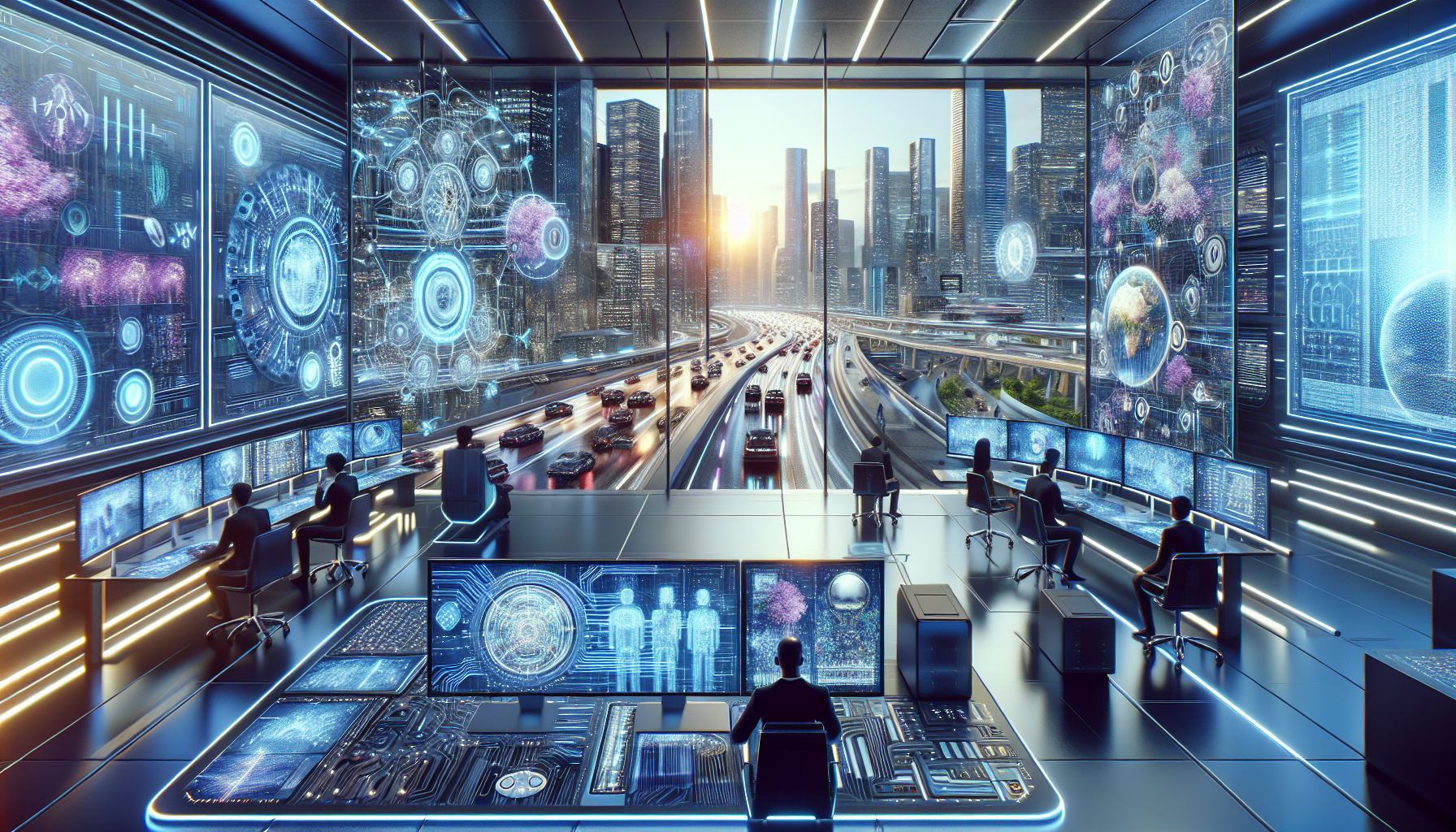
The role of AI in autonomous vehicles is profound, serving as the brain that processes complex data from cameras, radar, and lidar sensors. This technology interprets the surrounding environment, identifies obstacles, and predicts the actions of other road users. The inherent challenge lies in programming these systems to handle the vast variability of real-world conditions. Despite these hurdles, each technological breakthrough has brought us closer to achieving a safe, reliable, and efficient autonomous vehicle.
The journey has been marked by collaboration across industries and disciplines. Engineers, computer scientists, and automotive experts have joined forces to overcome technical barriers. This partnership has fostered a fertile ground for innovation, where ideas are shared and tested, leading to groundbreaking advancements.
One of the most inspiring aspects of this story is the relentless pursuit of safety. Developers have prioritized creating systems that can react faster and more accurately than human drivers, potentially reducing road accidents and saving lives. The integration of AI in vehicles promises not only convenience but also a significant enhancement in road safety. The dream of accident-free transportation is becoming increasingly tangible, driven by the desire to protect and preserve human life.
Yet, the path to autonomy is not without its philosophical and ethical considerations. As machines take on roles that were once exclusively human, questions about responsibility and decision-making arise. Who is accountable in the event of a malfunction? How do we program machines to make ethical decisions in critical situations? These are complex issues that require thoughtful deliberation and societal dialogue.
Looking back at the historical trajectory of AI in autonomous vehicles, it is evident that the journey is as much about human aspiration as it is about technological prowess. Each step forward has been fueled by a collective vision of a future where transportation is safer, more efficient, and accessible to all. This vision inspires continued exploration and development, pushing the boundaries of what is possible.
As we stand on the brink of widespread adoption of autonomous vehicles, we are reminded of the power of innovation to transform dreams into reality. The history of AI in this field is a testament to the human spirit's capacity to imagine and create. It invites us to consider what other seemingly impossible ideas we might bring to life with determination and collaboration.
In pondering the future, one might ask: What new horizons will AI help us explore next? As we continue to harness the potential of artificial intelligence, the possibilities are boundless, limited only by our imagination and willingness to venture into the unknown.