Debunking AI Myths: The Real Journey from Science Fiction to Daily Reality
April 1, 2026
Artificial intelligence (AI) has long been shrouded in mystery, portrayed in popular culture as either the harbinger of a utopian future or the catalyst for apocalyptic doom. As AI continues to weave its way into the fabric of daily life, it's essential to separate fact from fiction. The path from AI's conceptual roots to its current reality is a story of evolution marked by groundbreaking innovations and persistent misconceptions. Let’s delve into the truths behind AI’s journey and dispel some of the most pervasive myths surrounding this transformative technology.
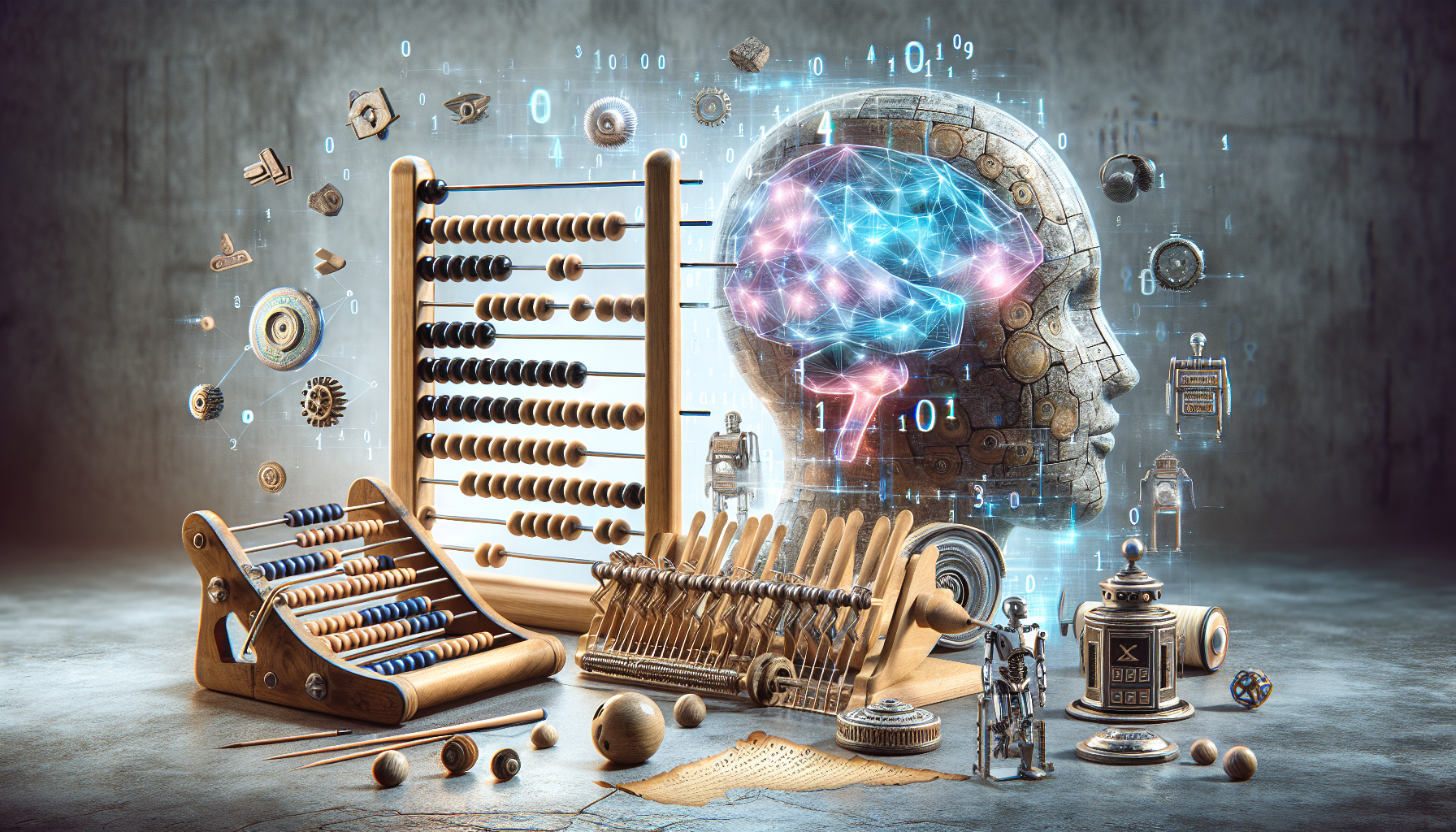
One of the most enduring myths about AI is its perceived suddenness. Many believe that AI emerged overnight, leaping from the realm of science fiction straight into our homes and workplaces. In reality, the development of AI has been a gradual process, characterized by incremental advances over decades. Early ideas about intelligent machines date back to ancient times, but the conceptual framework for modern AI began taking shape with the advent of the digital computer. The notion that machines could simulate human intelligence was a radical idea that intrigued scientists and philosophers alike.
Yet, the road to AI as we know it today was anything but straightforward. Initial efforts were met with skepticism and technological limitations. Computers of the past lacked the necessary processing power and data to support sophisticated AI applications. The concept of machine learning—where systems could improve from experience without being explicitly programmed—emerged as a pivotal breakthrough. This paradigm shift allowed AI to evolve from a theoretical construct into a tool capable of performing complex tasks.
Another common misconception is that AI possesses human-like consciousness. In the movies, AI is often depicted as sentient beings with emotions, desires, and independent thought. However, the reality is far different. Present-day AI systems are highly specialized, designed to perform specific tasks but lacking any form of self-awareness. They operate based on algorithms and data, executing instructions with precision but without understanding or subjective experience. This distinction is crucial; AI can emulate intelligent behaviors, but it does not "think" in the human sense.
AI’s application in the real world further illustrates the gap between myth and reality. There is a widespread fear that AI will lead to massive job displacement, rendering human workers obsolete. While it's true that AI is reshaping the job market, the narrative is more nuanced. AI excels at automating repetitive tasks, freeing up human workers to focus on more creative and complex activities. Rather than eliminating jobs, AI has the potential to create new opportunities, fostering industries that didn’t exist before.
Moreover, AI’s integration into various sectors has sparked concerns about privacy and ethical implications. The myth here is that AI systems are inherently biased or malevolent. Bias in AI is a reflection of the data it is trained on, and it’s a challenge that researchers are actively working to address. Ethical AI development prioritizes transparency and accountability, ensuring that these systems are designed with fairness in mind. Far from being an unstoppable force, AI is a tool that can be shaped by human values and societal norms.
The allure of AI also fuels the misconception that it is a panacea for all societal problems. While AI offers powerful solutions in healthcare, finance, and beyond, it is not a magic bullet. The successful deployment of AI requires a deep understanding of the domain, robust data, and a clear vision of the outcomes. The technology is a complement to human ingenuity, not a replacement for it.
As we continue to explore AI's potential, it's vital to engage with it critically and thoughtfully. The myths surrounding AI often obscure its genuine capabilities and limitations. By debunking these myths, we pave the way for informed discussions about how best to harness AI for the common good. The true promise of AI lies not in its fictional portrayals but in its ability to augment human potential in unprecedented ways.
What does the future hold for AI? As we stand on the cusp of new advancements, the conversation should shift from fearing the unknown to embracing the possibilities. How can we, as a society, ensure that AI serves as a force for positive change? This question, perhaps more than any other, will define the next chapter in the evolution of artificial intelligence.