The Economic Impact of AI: A Case Study on Growth and Displacement
December 3, 2025
Artificial Intelligence (AI) is not just a buzzword but a transformative force reshaping economies worldwide. Its dual nature of driving growth while also displacing certain job categories presents a complex dynamic that is both promising and challenging for modern economies. This article delves into a case study, exploring how AI has influenced economic landscapes, highlighting both its potential for growth and the realities of displacement.
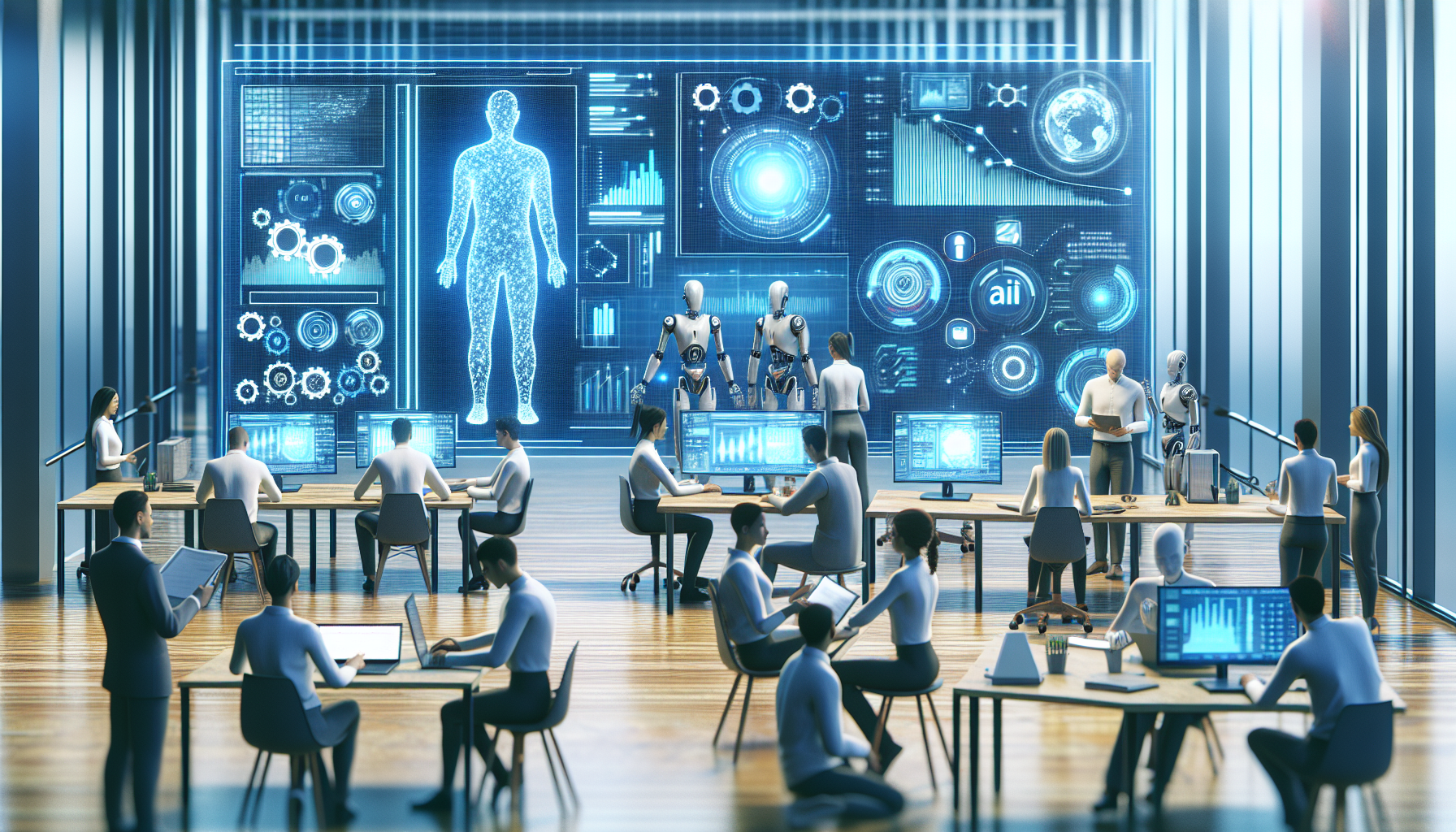
Consider the rise of AI in the manufacturing sector, a domain historically reliant on human labor. Automation, driven by AI, has revolutionized production lines, increasing efficiency and reducing costs. For instance, a leading automotive manufacturer implemented AI-driven robots capable of performing tasks with precision and speed unattainable by human counterparts. This shift dramatically reduced production costs, allowing the company to allocate resources towards innovation and expansion, ultimately leading to economic growth and a stronger market position.
However, alongside these advancements comes the undeniable truth of job displacement. The same automotive manufacturer saw a reduction in its workforce as AI-driven automation replaced roles previously held by human workers. This shift raises a critical question: how can economies balance the benefits of AI-driven growth with the need to support displaced workers?
One potential solution lies in reskilling and upskilling programs. Recognizing the inevitability of job displacement, the automotive company in our case study invested in comprehensive training programs for its workforce. These programs focused on equipping employees with the skills required to work alongside AI technology, transitioning from manual tasks to roles in AI maintenance, programming, and supervision. This proactive approach not only mitigated job loss but also created a workforce adept at leveraging AI for future economic benefits.
Beyond the manufacturing industry, AI's impact is evident in sectors like healthcare. The integration of AI in medical diagnostics has streamlined processes, increasing accuracy and reducing human error. A prominent hospital network adopted AI-driven diagnostic tools that analyze medical images with remarkable precision. This technology has accelerated diagnosis times, improving patient outcomes and reducing operational costs. Yet, the implementation of such advanced technologies also necessitates a reevaluation of traditional roles within the healthcare sector, with some positions becoming obsolete while new opportunities emerge.
The economic impact of AI is not limited to direct employment effects. AI-driven innovations have spawned entirely new industries and business models, contributing to economic growth in unforeseen ways. Take the burgeoning field of AI-driven data analysis, which has become indispensable for companies across various sectors. By harnessing AI capabilities, businesses can glean insights from vast datasets, informing strategic decisions and fostering growth. This demand for AI expertise has catalyzed the development of new educational programs and job opportunities, further driving economic expansion.
However, the journey towards AI integration is not without hurdles. Ethical considerations, data privacy concerns, and the digital divide pose significant challenges that must be addressed to realize AI's full economic potential. As companies and governments navigate these complexities, the need for thoughtful regulation and ethical AI development becomes paramount.
In the context of our case study, the automotive manufacturer faced backlash over privacy concerns related to AI-driven data collection. Addressing these concerns required transparent communication and the implementation of stringent data protection measures. By prioritizing ethical considerations, the company not only safeguarded its reputation but also set a precedent for responsible AI use that could inspire broader industry standards.
The economic impact of AI is multifaceted, presenting opportunities for growth alongside challenges of displacement. The case study illustrates how strategic investments in AI can drive economic expansion while highlighting the importance of supporting affected workers through reskilling initiatives. As AI continues to evolve, the question remains: How can societies harness AI's transformative power to foster inclusive economic growth while ensuring that no one is left behind?
In contemplating this question, we are reminded of the potential for AI to redefine economic landscapes, offering both unprecedented growth and profound challenges. The path forward requires a delicate balance, one that embraces innovation while fostering an inclusive economy that benefits all. As AI continues to shape our world, the opportunity lies in our ability to navigate its complexities thoughtfully and equitably.