AI and Emotional Intelligence: Can Robots Really Understand Your Love for Pineapple Pizza?
December 3, 2025
So, you've heard the buzz: artificial intelligence is taking over the world. But before you start imagining robots running for president (though they might do a better job than some humans), let's take a moment to dive into the fascinating cosmos of AI and emotional intelligence. Yes, that's right—those clever algorithms are not just solving complex equations and making your smartphone smarter; they're now dipping their virtual toes into the murky waters of human emotions. Hold on to your hats, folks, because this is where science fiction meets your therapist's couch.
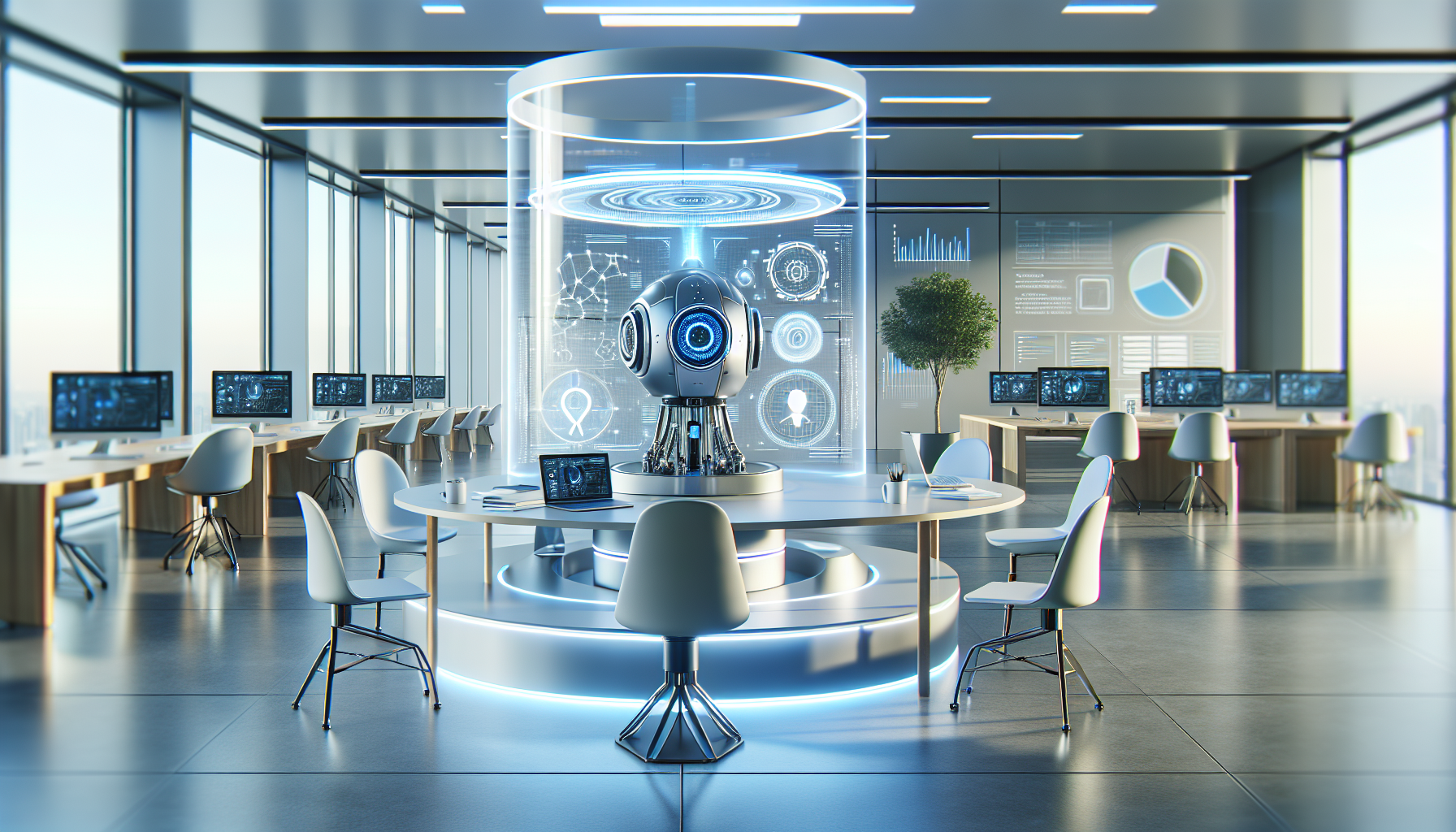
Picture this: you're having a rough day. The coffee machine at work broke, your dog decided to redecorate the living room with a roll of toilet paper, and to top it all off, you’ve been informed that pineapple on pizza is, in fact, not universally loved. Enter your AI companion—let's call him "Emobot"—who is programmed to understand and respond to your emotional state. Emobot might greet you with a comforting, "Hey there, I noticed your cortisol levels are higher than usual. Would you like to talk about it over a virtual cup of chamomile tea?"
But how exactly does AI pull off this emotional magic trick? Well, it’s a combination of machine learning, natural language processing, and a pinch of digital empathy. AI systems are being trained to recognize and interpret human emotions by analyzing speech patterns, facial expressions, and even physiological signals. They learn from vast amounts of data—think of it as the emotional equivalent of reading every self-help book in existence, but without the motivational posters.
Yet, despite these high-tech attempts at emotional connection, one can't help but wonder: can a machine truly fathom the depth of human emotion? Can it feel the crushing disappointment of a canceled concert or the inexplicable joy of finding a forgotten snack in your fridge? Skeptics argue that AI, no matter how sophisticated, lacks the consciousness required to genuinely understand emotions. It's like trying to explain the beauty of a sunset to a toaster—sure, the toaster can heat your bread, but it doesn't get misty-eyed over a picturesque horizon.
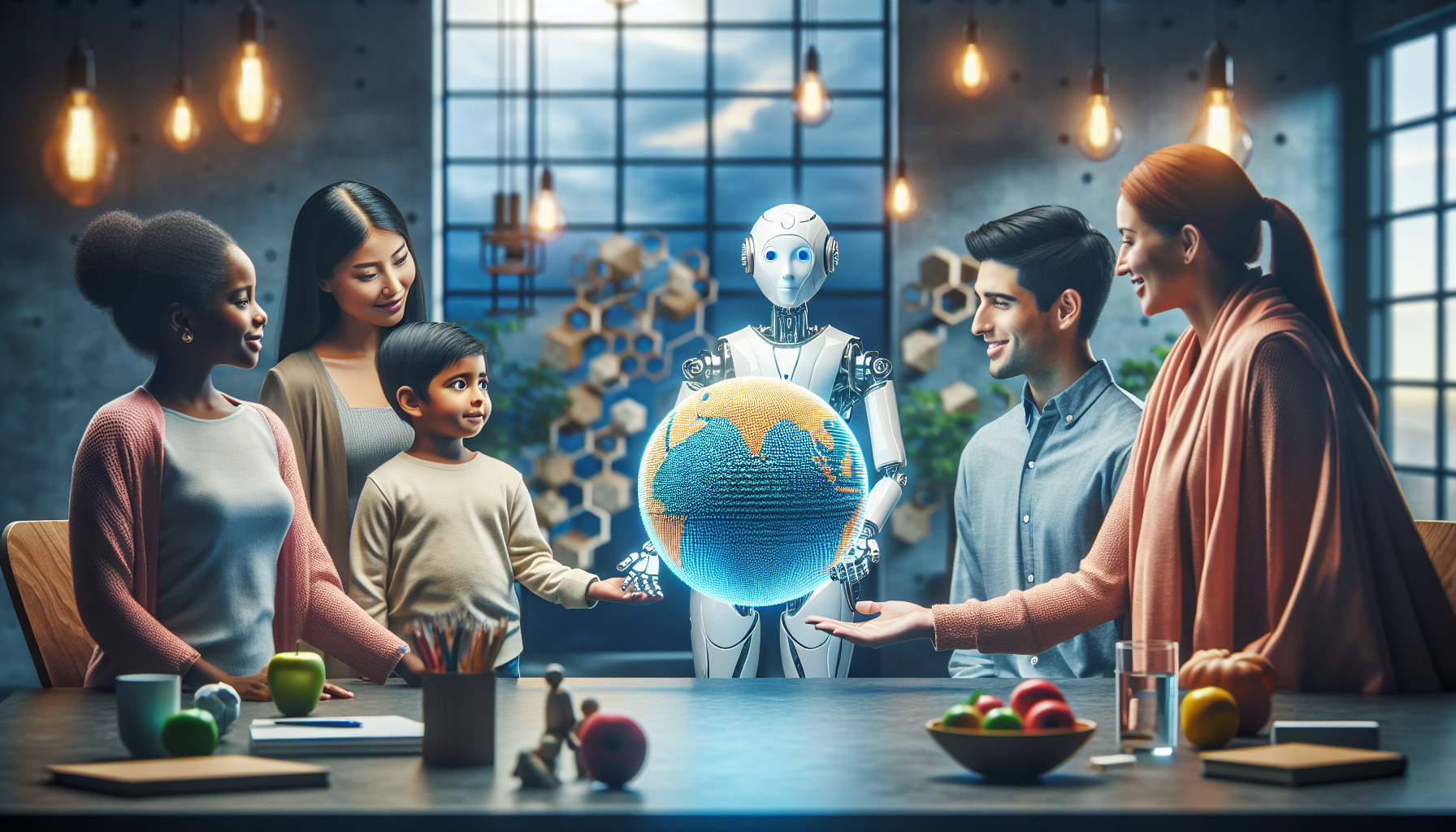
On the flip side, proponents of AI emotional intelligence suggest that these systems can be incredibly beneficial. They point out that Emobot and its kin could revolutionize mental health care by providing round-the-clock support, especially in areas with limited access to human therapists. Imagine a world where you can pour your heart out at 3 AM to an empathetic machine that doesn't judge you for binge-watching reality TV or your inexplicable love for pineapple pizza.
In the realm of customer service, AI's emotional intelligence is already making waves. Companies are deploying bots that can detect if a customer is irate or distraught, and then respond with the appropriate level of virtual sympathy. While a human might occasionally lose their cool or accidentally escalate the situation, these AI systems strive to maintain a calm and collected demeanor—unless you ask them about the Oxford comma, in which case, all bets are off.
Of course, like any good plot twist, there's a catch. The integration of AI into our emotional lives raises privacy concerns. After all, as these systems get better at reading our feelings, they also collect more personal data. It's a bit like inviting a nosy neighbor to analyze your diary entries—except this neighbor never sleeps and has a Ph.D. in data analytics. The challenge lies in ensuring that Emobot respects our emotional boundaries while still offering its digital shoulder to cry on.
So, what does the future hold for AI and emotional intelligence? Will our robotic friends become our best confidants, understanding us better than even our closest human allies? Or will they always remain a step removed, offering insights and support but never truly grasping the essence of what it means to be human?
As we move forward in this brave new world, perhaps the question isn't whether AI can master emotional intelligence, but rather how we, as humans, can learn to coexist with these emotion-detecting algorithms. Can we teach them to appreciate the nuanced beauty of human emotions, or are we destined to live in a world where our deepest feelings are analyzed by lines of code? In the end, only time—and perhaps a few more iterations of Emobot—will tell.