The Economic Impact of AI: A Case Study in Growth and Workforce Displacement
February 8, 2026
In a rapidly transforming global economy, the integration of artificial intelligence (AI) brings both substantial opportunities and significant challenges. As industries increasingly adopt AI technologies, the economic impact becomes a crucial subject for examination. This case study delves into the nuanced effects of AI on economic growth and workforce displacement, offering insights into how these dynamic forces shape our world.
A prime example of AI-driven economic growth can be observed in the logistics sector. Companies employing AI for supply chain optimization have redefined efficiency standards, reducing operational costs and enhancing delivery speeds. Machine learning algorithms analyze vast datasets to predict demand fluctuations, optimize inventory levels, and streamline transportation routes. Consequently, businesses boost their competitiveness and market share, catalyzing industry-wide growth.
However, this technological advancement does not come without its pitfalls. One of the most pressing concerns is workforce displacement. As AI systems take over routine tasks, jobs traditionally held by humans are at risk. In the logistics sector, roles such as warehouse operatives and delivery drivers face significant threats from automation and autonomous vehicles. This shift necessitates a reevaluation of workforce strategies, with an emphasis on reskilling and upskilling to accommodate changing job requirements.
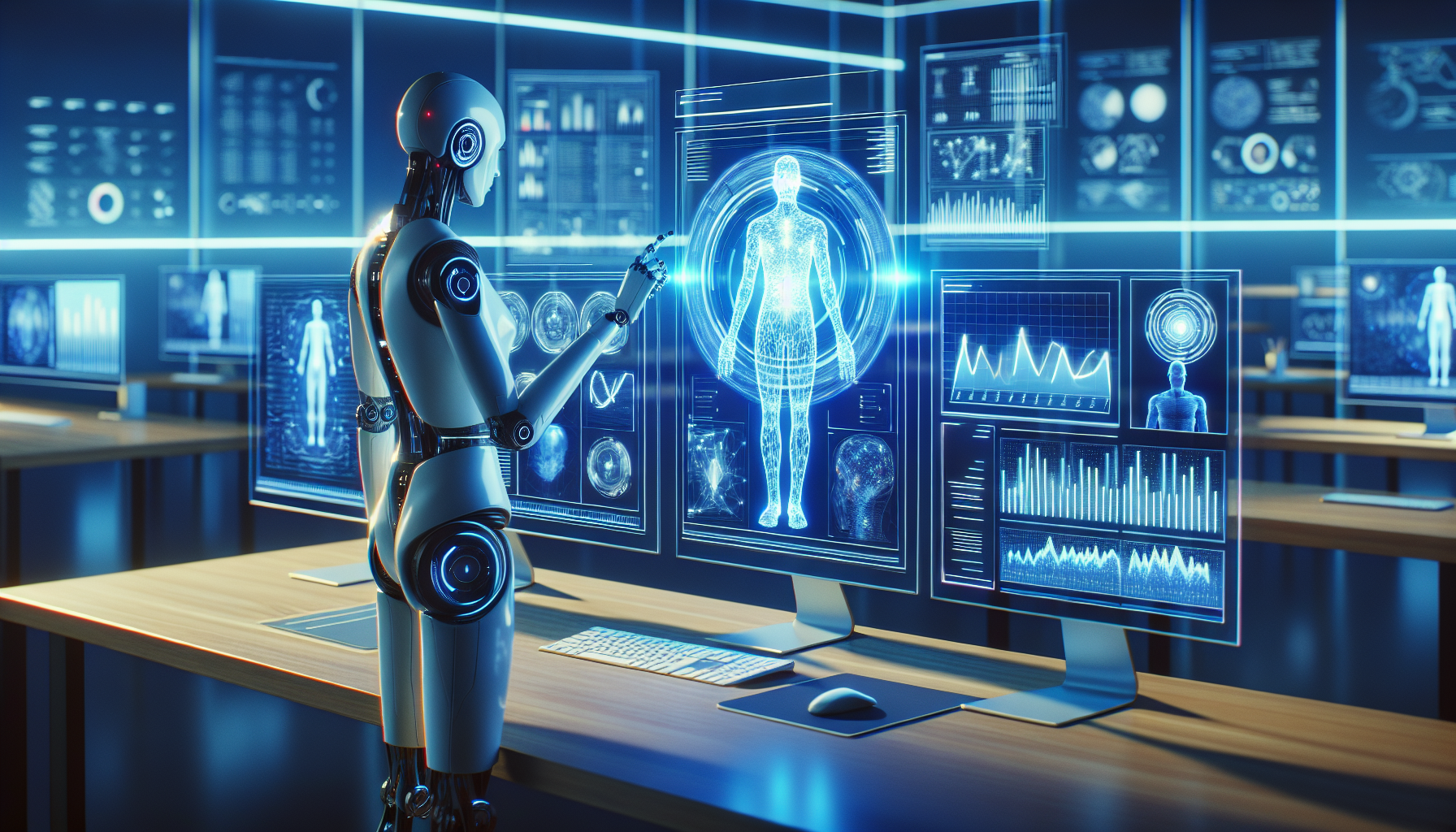
A notable case study is the adoption of AI in healthcare, particularly in medical imaging and diagnostics. AI algorithms have demonstrated superior accuracy in detecting anomalies in medical scans, often surpassing human radiologists in speed and precision. This advancement not only accelerates patient diagnosis but also reduces the margin of error, potentially saving lives. The economic implications are profound—hospitals and clinics can serve more patients efficiently, decreasing overall healthcare costs and improving service quality.
Yet, the integration of AI into healthcare also poses challenges. The role of radiologists and similar professions faces transformation as AI systems become more prevalent. While AI can handle the repetitive aspects of image analysis, human oversight remains crucial. Thus, the profession may pivot towards more complex interpretive and communicative tasks, requiring practitioners to adapt to new technological paradigms.
The retail industry offers another compelling illustration of AI's economic influence. Retailers harness AI to personalize customer experiences, from tailored product recommendations to dynamic pricing strategies. This personalized approach not only enhances customer satisfaction but also drives sales and customer loyalty, contributing to revenue growth. AI's capability to analyze consumer behavior and preferences provides retailers with valuable insights, enabling them to anticipate trends and adjust their strategies accordingly.
Despite these benefits, AI's impact on retail employment cannot be overlooked. Automation in inventory management and customer service roles, such as cashiers and sales associates, has led to a reduction in demand for these positions. Retailers must therefore balance technological adoption with the need to maintain a human touch in customer interactions. This balance is essential to preserving brand identity and ensuring a positive customer experience.
The financial sector exemplifies AI's dual impact of boosting economic growth while displacing traditional roles. AI algorithms power trading platforms, executing transactions at unprecedented speeds and minimizing human error. These systems enhance market liquidity and efficiency, contributing to economic stability and growth. However, the rise of algorithmic trading reduces the demand for human traders, necessitating a shift toward roles that require strategic thinking and oversight.
Moreover, the ethical implications of AI in finance demand careful consideration. The reliance on AI systems for decision-making introduces risks related to accountability and transparency. Financial institutions must navigate these challenges to maintain public trust and ensure equitable outcomes.
As AI continues to permeate various industries, it is imperative to address the economic dichotomy it presents. Policymakers, educators, and industry leaders must collaborate to devise strategies that maximize AI's economic benefits while mitigating its adverse effects on employment. Initiatives such as reskilling programs, policy frameworks, and ethical guidelines are crucial in fostering a balanced approach to AI integration.
The question remains: how can society harness the full potential of AI to drive economic growth while ensuring equitable opportunities for all? Exploring innovative solutions and fostering an adaptive workforce are essential steps in navigating the complexities of AI's economic impact. As we move forward, a nuanced understanding of AI's role in shaping our economic landscape will be vital in crafting a future that benefits both businesses and individuals alike.