AI and Emotional Intelligence: Bridging the Gap Between Heart and Machine
February 7, 2026
Imagine a world where machines understand not just the commands you give them but the emotions behind those instructions. This isn't a scene from a science fiction novel; it's an unfolding reality as artificial intelligence progresses towards integrating with human emotional intelligence. The fusion of AI with the nuanced realm of human emotions is a trend that promises to revolutionize how we interact with technology, offering new possibilities for empathy and connection in ways previously unimaginable.
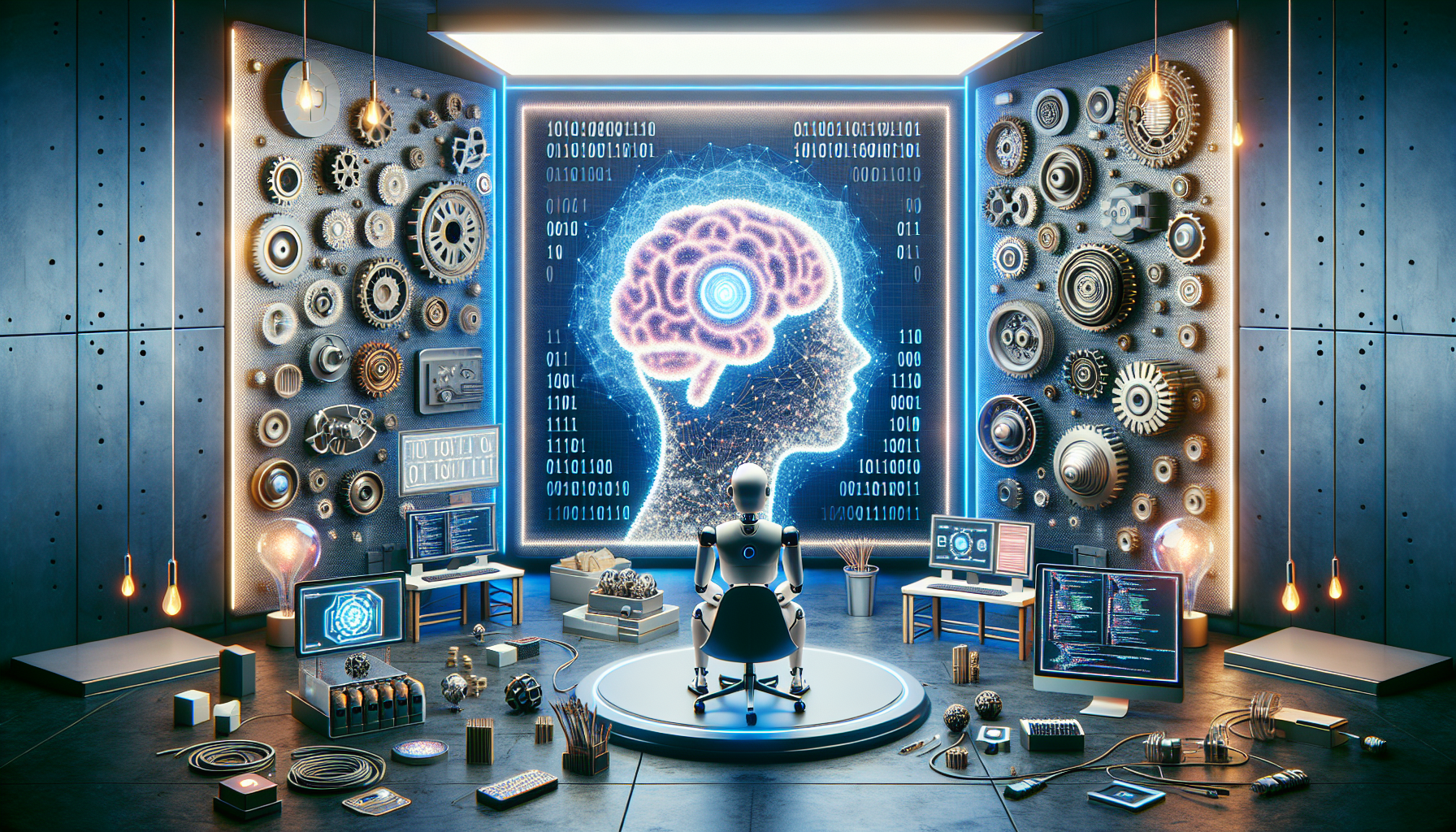
At the heart of this trend is the quest to make machines more human-like in their interactions. Developers and researchers are working tirelessly to teach algorithms the subtleties of human emotions—joy, sorrow, anger, and beyond. The goal is not merely to recognize these emotions but to respond to them appropriately, crafting interactions that feel natural and intuitive. This pursuit of emotionally intelligent AI is laying the groundwork for a future where technology and humanity are more harmoniously intertwined.
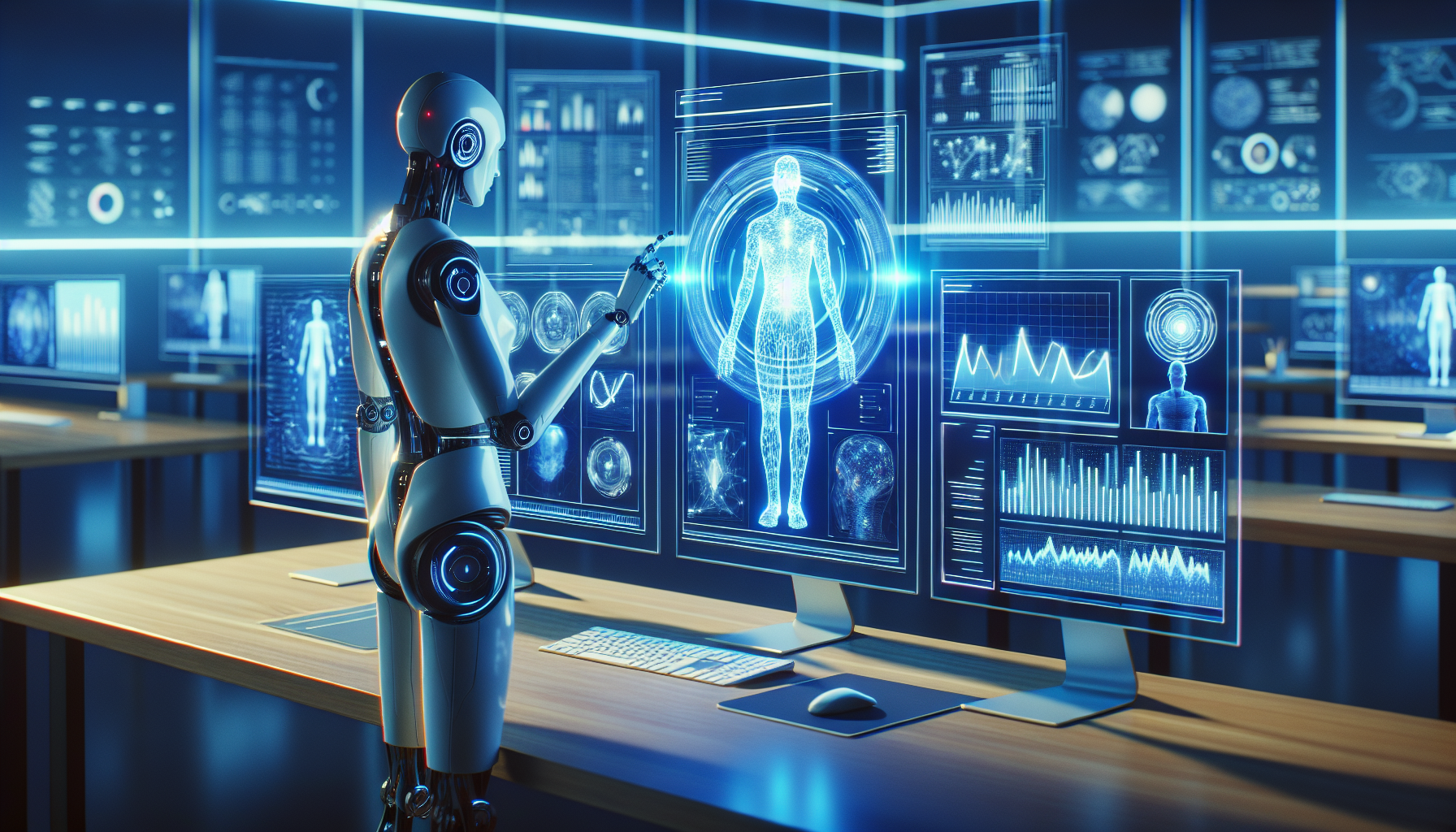
One of the most intriguing aspects of this movement is the potential for AI to bridge emotional gaps where human understanding falls short. Imagine a caregiver robot that can sense when a patient is feeling down and responds with comforting words or music tailored to lift their spirits. Consider virtual assistants that not only manage your calendar but also check in on your stress levels, offering suggestions for relaxation or prompts to reach out to friends. These scenarios hint at a future where AI enhances our emotional well-being, acting as both a support system and a thoughtful companion.
The technical strides making this possible are nothing short of remarkable. Advances in natural language processing and sentiment analysis allow AI systems to interpret the emotional tone in spoken and written words. Facial recognition technologies can now detect micro-expressions, those fleeting facial cues that betray our innermost feelings. Even more fascinating is the exploration into AI's ability to understand context, discerning the underlying causes of emotions to offer more meaningful responses.
Despite these advances, the journey is not without challenges. Emotions are deeply personal and culturally nuanced, making them difficult for even the most sophisticated algorithms to fully comprehend. Moreover, ethical questions loom large: How do we ensure that machines respect our privacy and do not manipulate our emotions? These are pressing concerns that researchers are actively addressing, striving to create AI that is both emotionally intelligent and ethically sound.
Yet, the potential rewards are immense. In fields such as mental health, emotionally intelligent AI could provide critical support. Imagine an AI counselor that listens tirelessly, offering insights and resources tailored to individual needs. Such technology could make mental health support more accessible, reducing barriers for those unable to seek traditional therapy. In education, AI could tailor learning experiences to students' emotional states, creating environments that nurture both academic and emotional growth.
The corporate world, too, stands to benefit. Customer service AI that understands frustration and responds with empathy could transform consumer experiences, building brand loyalty through genuine human-like interaction. Managers could use AI insights to gauge team morale and productivity, fostering work environments that prioritize employee well-being.
As we look towards the future, the integration of emotional intelligence in AI systems prompts us to reflect on what it means to be human. Can a machine truly understand what we feel? And if so, what does that mean for our relationships with each other and with technology? These questions challenge us to consider not just the technical possibilities, but the philosophical implications of an AI-driven world.
The journey toward emotionally intelligent AI is a testament to human ingenuity and our relentless quest to create technology that enriches our lives. It is an invitation to imagine a future where technology doesn't just serve us but understands us, where machines are not just tools but partners in our emotional landscapes. As we stand on the cusp of this exciting frontier, the possibilities are as boundless as the human heart itself. How will we harness this potential to create a world that is not only smarter but more compassionate? That is the challenge and the opportunity that lies ahead.