Cognitive Computing: The Next Frontier in AI-A Technical Examination
March 26, 2026
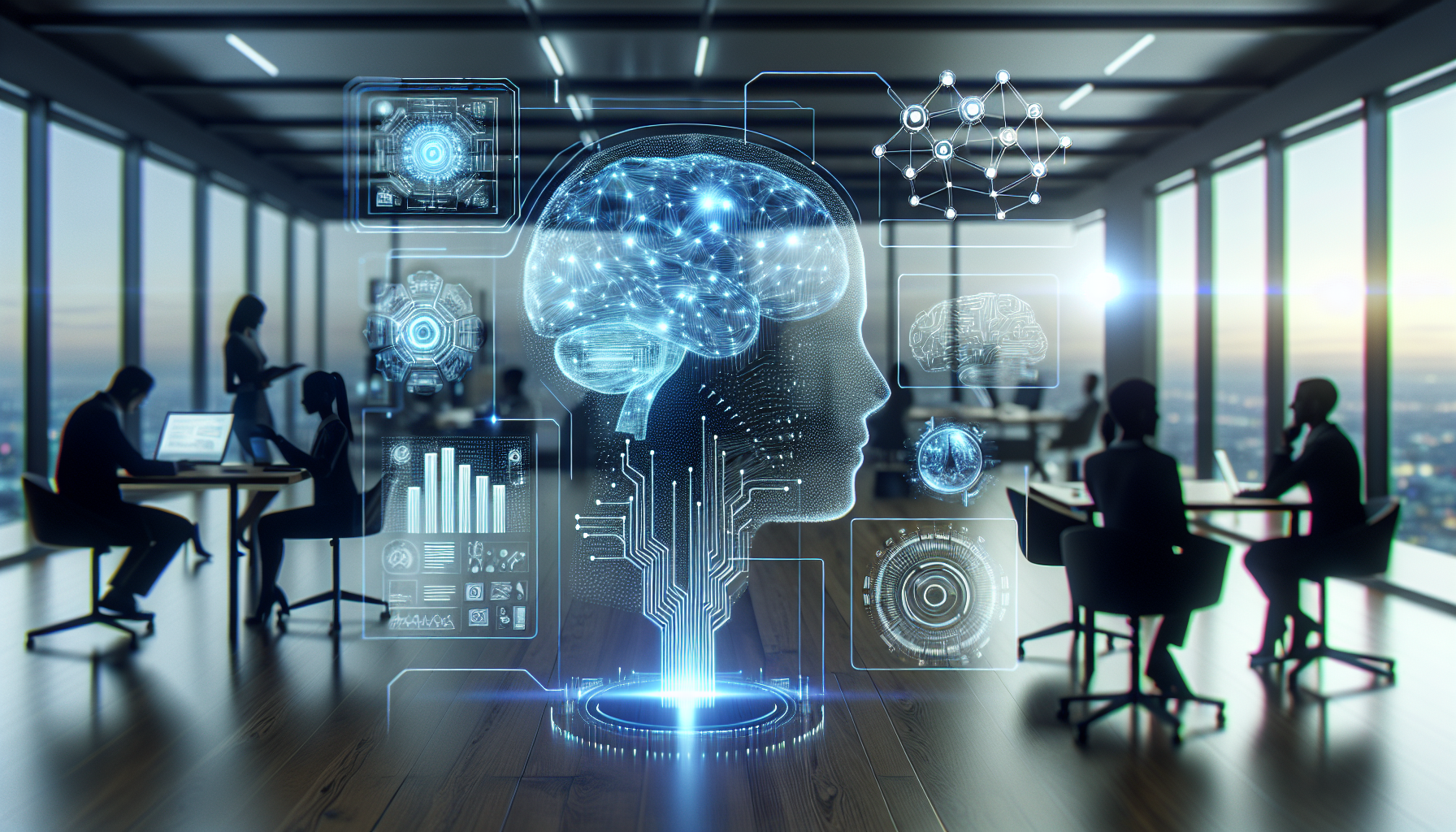
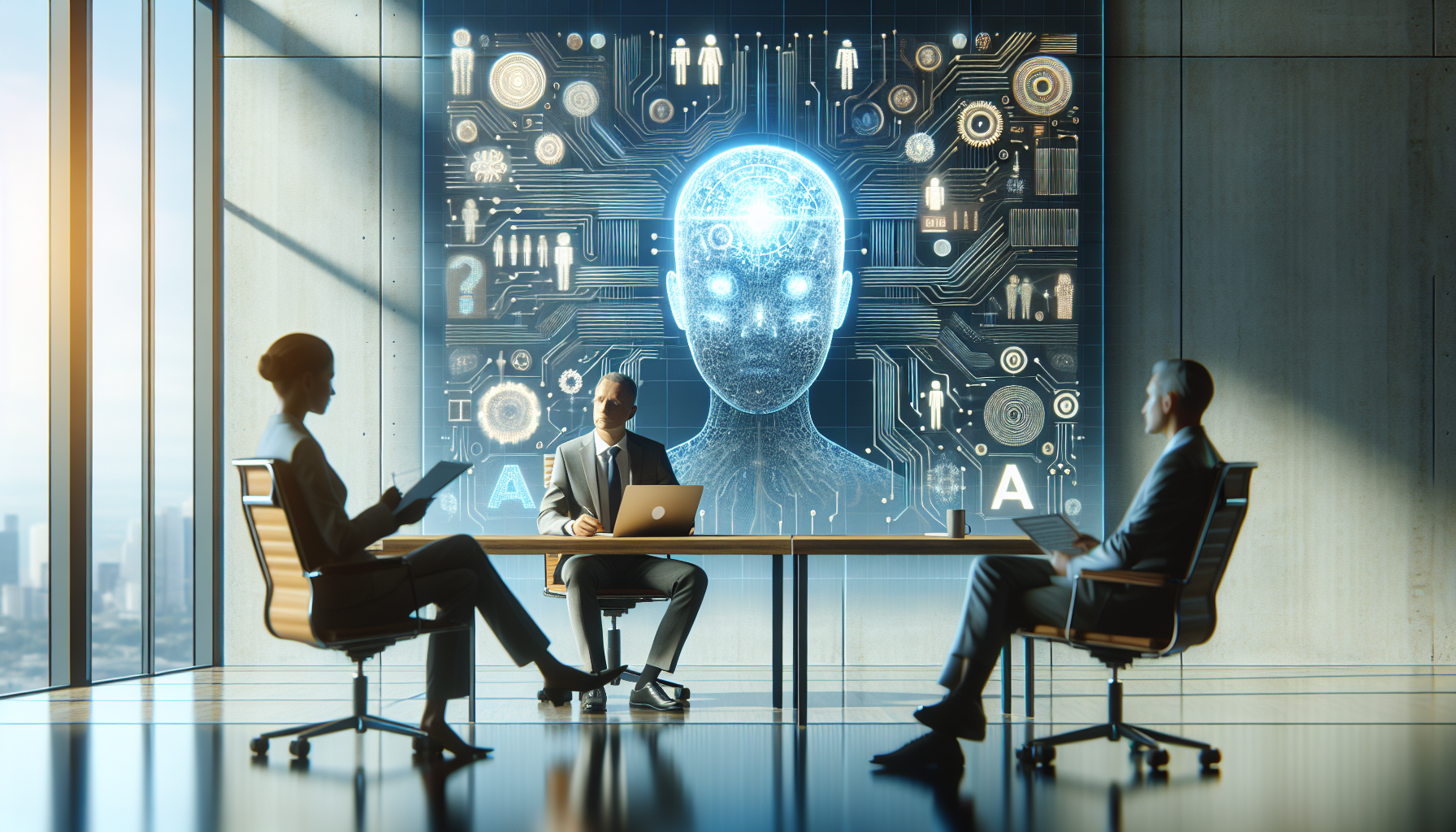
The dawn of cognitive computing marks a pivotal moment in the evolution of artificial intelligence, opening doors to possibilities once confined to the realm of science fiction. Unlike conventional AI systems that excel in performing specific tasks, cognitive computing aims to simulate human thought processes in complex situations. This concept, rooted in the desire to create machines that can understand, reason, and learn, represents a significant leap forward for technology and society.
Cognitive computing systems are designed to tackle problems that are traditionally complex and require human-like reasoning. These systems process vast amounts of data, extract insights, and present solutions in a way that mimics human cognition. What sets cognitive computing apart is its ability to deal with ambiguity and uncertainty, traits that are inherently human. This is achieved through a combination of machine learning, natural language processing, and contextual understanding.
One of the fundamental goals of cognitive computing is to enhance human capabilities by providing decision support. The integration of this technology into industries such as healthcare, finance, and customer service is already underway, promising to revolutionize the way we interact with machines and data. In healthcare, for example, cognitive systems can assist doctors by analyzing medical data to suggest diagnoses and treatment options, thus improving patient outcomes.
The technical architecture of cognitive computing involves sophisticated algorithms that can process unstructured data, such as text and images, in real time. These systems are capable of understanding and representing knowledge in a form that machines can use to solve specific, context-dependent problems. This ability to process and analyze unstructured data differentiates cognitive computing from traditional AI systems, which are often limited to structured datasets.
Moreover, cognitive computing systems are designed to learn and adapt over time. They continuously refine their understanding based on new data and interactions, making them more accurate and reliable. This adaptability is crucial for dealing with the dynamic nature of real-world problems, where variables can change rapidly and unpredictably.
The potential applications of cognitive computing are vast and varied. In the financial sector, cognitive systems can analyze market trends and consumer behavior to provide strategic insights and risk assessments. In customer service, these systems can offer personalized interactions by understanding the nuances of human language and emotions. The ability to provide contextualized responses can significantly enhance user experience and satisfaction.
However, the transition to cognitive computing is not without challenges. One of the primary concerns is the ethical implications of machines making decisions that can significantly impact human lives. As cognitive systems become more integrated into critical sectors, ensuring transparency and accountability becomes essential. There are also technical hurdles to overcome, such as the need for robust data security measures to protect sensitive information.
Another aspect worth considering is the impact of cognitive computing on the job market. While these systems can augment human capabilities, there is a potential for displacement in roles that can be automated. This necessitates a shift in workforce dynamics, where upskilling and reskilling become vital to maintaining employment levels.
As we advance further into this cognitive era, it is imperative to consider not only the technological advancements but also the societal implications. The integration of cognitive computing into daily life raises questions about privacy, security, and the role of artificial intelligence in human decision-making processes. These considerations must be addressed to harness the full potential of this technology while minimizing potential drawbacks.
The journey toward cognitive computing is not just about technological innovation; it is about redefining the relationship between humans and machines. As we stand on the brink of this new frontier, the questions we ask and the decisions we make will shape the future of artificial intelligence and its role in society. Can we create a framework that balances innovation with ethical responsibility, and how will cognitive computing redefine what it means to be human in an increasingly digital world?