AI in Supply Chain Management: A Journey of Transformation and Optimization
March 26, 2026
The story of artificial intelligence in supply chain management is one of remarkable ingenuity and transformation. It is a narrative not only of technological advancement but also of human innovation, where the blending of machine capabilities with human insight has revolutionized how goods move from origin to consumer. This journey, which began as an ambitious idea, has today become a powerful testament to what can be achieved when technology and creativity intersect.
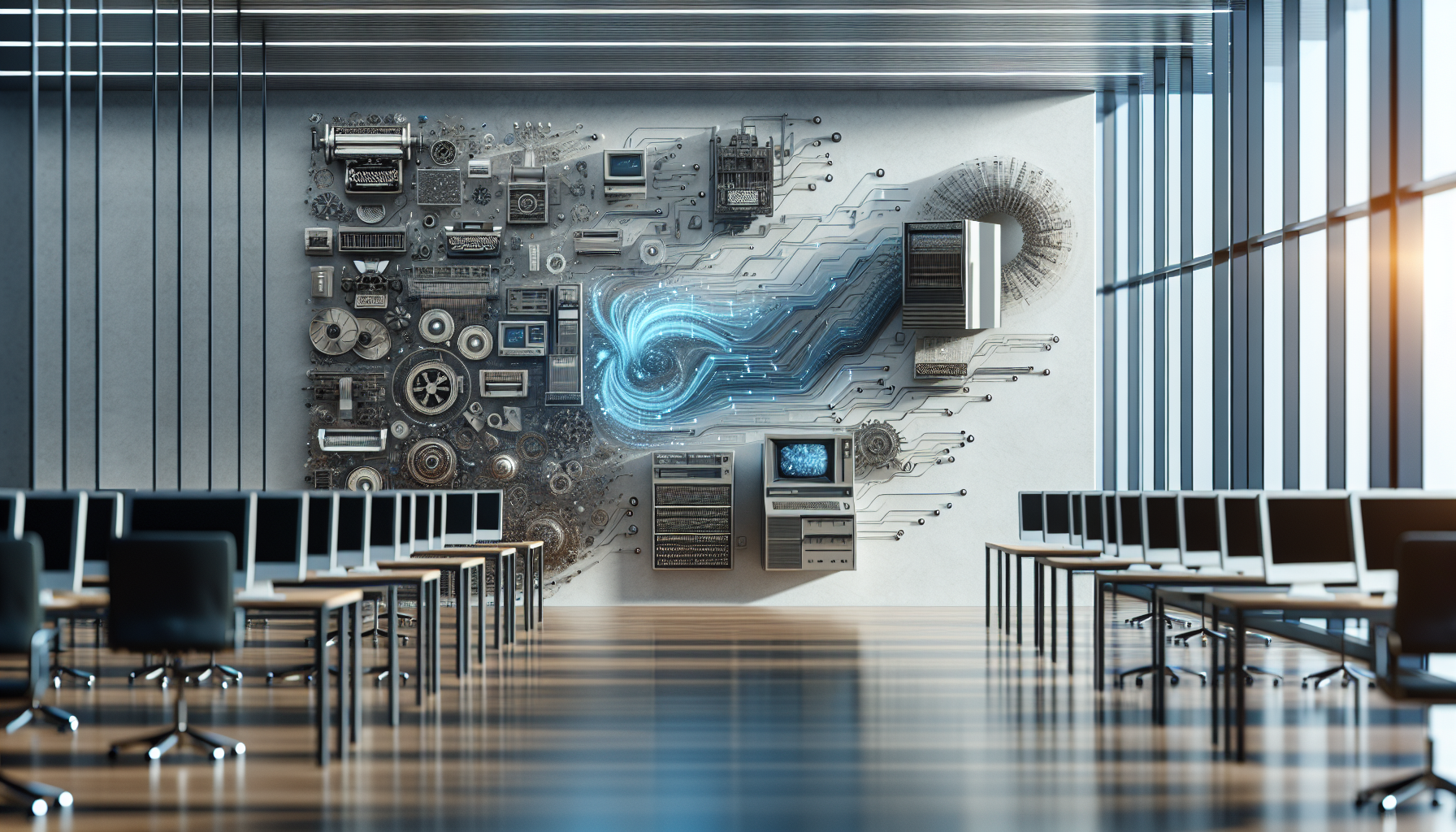
In the early days of supply chain management, operations were largely manual and labor-intensive. The industry relied heavily on human judgment and experience, with decisions often based on intuition rather than data. The advent of AI has shifted this paradigm, introducing a level of precision and efficiency previously unimaginable. The ability of AI to process vast amounts of data and deliver actionable insights has been the catalyst for optimizing every link in the supply chain.
Artificial intelligence began its transformative role by enhancing visibility across the supply chain. With AI, companies can now monitor every stage of production and distribution in real-time, allowing for unprecedented transparency and control. This advancement has not only improved efficiency but also reduced waste, as organizations can better anticipate demand and adjust their operations accordingly. The power of predictive analytics, a key component of AI, enables supply chains to move from a reactive model to a proactive one, where potential disruptions are addressed before they even occur.
Historically, supply chain management depended on isolated systems and siloed data. AI has dismantled these barriers, integrating disparate systems and enabling seamless data flow. This interconnectedness is more than just a technical feat; it represents a profound shift toward a more collaborative and cohesive operational model. With AI, data is no longer just a byproduct of operations but a valuable asset that informs strategic decisions and drives growth.
One of the lesser-known yet significant impacts of AI in supply chain management is its role in sustainability. By optimizing routes, reducing fuel consumption, and minimizing waste, AI contributes to more environmentally friendly operations. Companies are increasingly leveraging AI to not only meet consumer demands but also to fulfill their corporate social responsibility goals. In this way, AI is not merely a tool for economic gain but a catalyst for positive environmental change.
Perhaps the most inspiring aspect of AI's integration into supply chains is its ability to empower the workforce. While there were initial concerns about AI replacing human jobs, the reality has been far more enriching. AI handles repetitive and mundane tasks, freeing human workers to focus on more strategic and creative responsibilities. This shift has led to a more engaged and motivated workforce, where individuals can apply their talents to drive innovation and add value to their organizations.
The journey of AI in supply chain management is still ongoing, and its potential is vast. As technology continues to evolve, so too does the opportunity for further optimization and innovation. The integration of AI with other emerging technologies, such as the Internet of Things (IoT) and blockchain, promises to unlock even greater efficiencies and capabilities. The convergence of these technologies will likely redefine supply chain management, making it more resilient, agile, and responsive than ever before.
As we reflect on the historical journey of AI in supply chain management, we are reminded of the power of human ingenuity. The ability to envision a future where technology enhances rather than replaces human effort is at the heart of this transformation. It invites us to consider the endless possibilities that lie ahead, where AI continues to inspire and empower both individuals and organizations.
In contemplating the future, one might ask: How will AI continue to reshape industries and redefine what is possible? As we stand on the brink of new advancements, this question invites us to dream bigger and strive for innovations that not only optimize operations but also elevate human potential.