Artificial Intelligence in Drug Discovery: A Critical Examination of Its Promises and Pitfalls
April 26, 2026
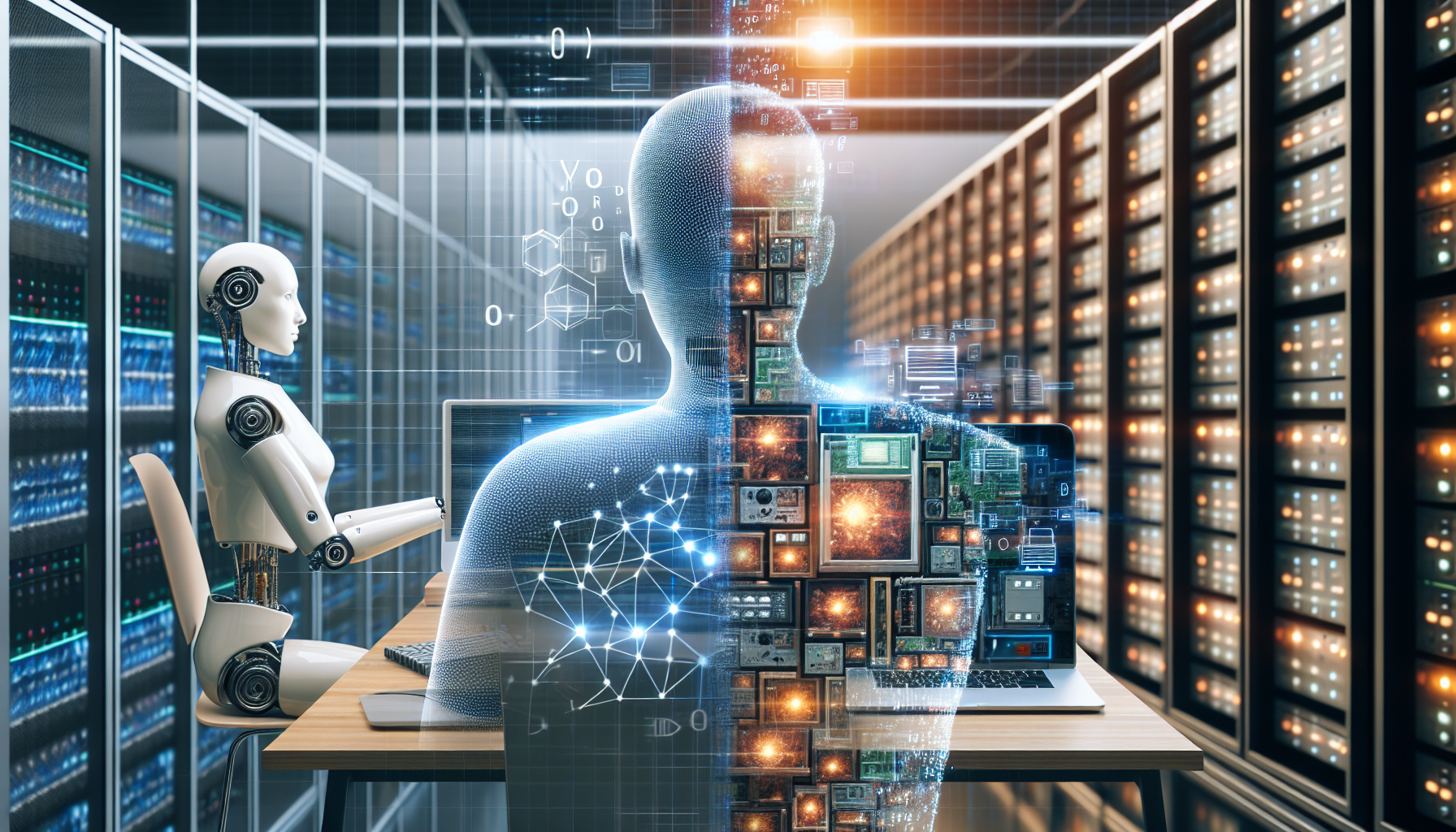
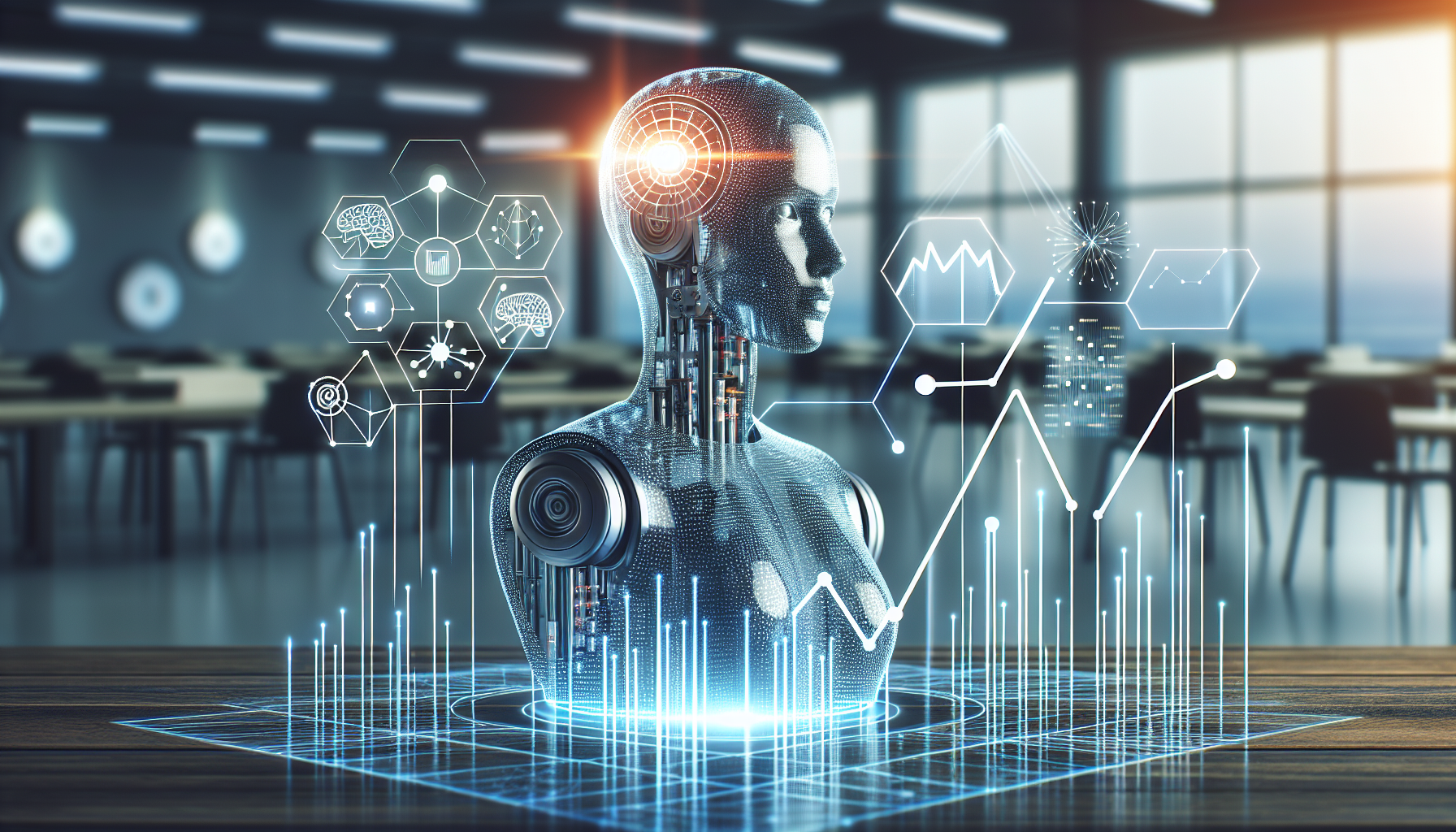
In a world where the quest for efficiency often overshadows the caution necessary for scientific endeavors, the integration of artificial intelligence (AI) into drug discovery has emerged as both a beacon of hope and a cause for concern. As pharmaceutical companies, startups, and tech giants dive headlong into AI-driven drug development, it’s crucial to scrutinize whether this technology is truly the panacea it is claimed to be.
The allure of AI in drug discovery is undeniable. Its potential to analyze vast datasets, identify novel drug candidates, and even predict outcomes of clinical trials could revolutionize the speed and cost-efficiency of bringing new drugs to market. Yet, beneath the surface of these promises lies a complex web of challenges and ethical quandaries that merit a closer look.
One of the most touted advantages of AI is its capacity to process and interpret vast amounts of biological and chemical data at a rate unfathomable to human researchers. This capability is said to enable the identification of new therapeutic targets and the design of drug molecules with unprecedented precision. However, the reliability of AI-generated insights hinges on the quality and integrity of the data fed into these systems. Poorly curated datasets, which may include biased or incomplete information, can lead to erroneous conclusions and potentially harmful outcomes in the drug development process.
Moreover, the black-box nature of many AI algorithms poses a significant barrier to trust and transparency. These algorithms often operate without offering clear explanations for their predictions or decisions, leaving researchers in the dark about how certain outcomes are reached. This opacity raises concerns about accountability, particularly when AI-driven decisions carry life-or-death consequences for patients. The pharmaceutical industry, already under scrutiny for its opaque practices, may find its credibility further compromised if AI tools are used without a rigorous framework for transparency and validation.
Ethical considerations extend beyond just the accuracy of AI systems. The deployment of AI in drug discovery also risks exacerbating existing healthcare disparities. AI tools trained predominantly on data from populations in developed countries may overlook the unique genetic and environmental factors impacting patients in less affluent regions. This oversight could lead to the development of drugs that are less effective or even harmful to underrepresented populations, thereby widening the gap in healthcare equality.
The economic implications of AI-driven drug development also deserve critical examination. While AI promises to reduce the costs associated with drug discovery, the initial investment in developing and deploying these sophisticated systems is prohibitive for smaller research entities. This dynamic could lead to a consolidation of power within the pharmaceutical industry, where only the wealthiest companies can afford to harness AI's full potential, stifling innovation and competition.
Furthermore, there is a growing concern about the workforce disruption that AI might cause. As algorithms take over tasks traditionally performed by skilled researchers, the role of human expertise is being redefined. While AI can handle repetitive tasks with remarkable efficiency, the nuanced understanding and creative problem-solving abilities of human scientists remain irreplaceable. The challenge lies in finding a balance where AI augments rather than replaces human intelligence, preserving the invaluable input of researchers who possess the experiential knowledge that algorithms lack.
Despite these challenges, dismissing AI’s role in drug discovery would be shortsighted. The technology holds transformative potential if integrated responsibly and with due diligence. This necessitates a collaborative approach where tech developers, pharmaceutical companies, regulators, and ethicists work together to establish standards and guidelines that ensure the ethical and effective use of AI in drug development.
As AI continues to advance, the pressing question remains: Will its application in drug discovery ultimately serve the greater good, or will it become another tool that perpetuates existing inequalities and ethical dilemmas in healthcare? The answer lies in our collective willingness to rigorously interrogate the promises of AI, ensuring that enthusiasm for technological progress does not overshadow the moral imperatives of safety, equity, and transparency. The future of medicine depends not just on the capabilities of artificial intelligence, but on our capacity to wield it wisely.