AI and Robotics: The Future of Human-Machine Collaboration – A Comparative Analysis
April 26, 2026
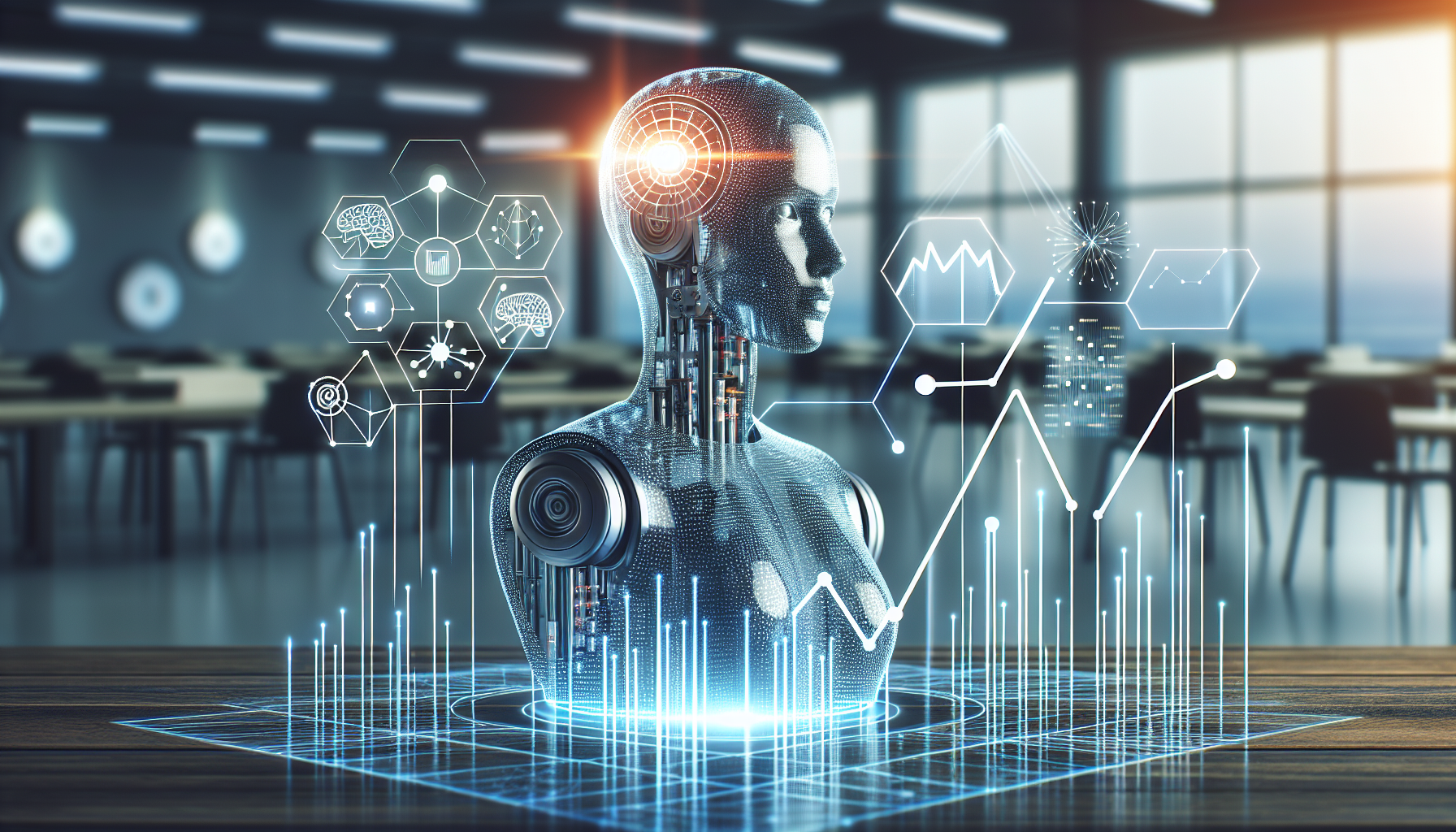
Artificial Intelligence (AI) and robotics stand as two of the most transformative technological forces in contemporary society. The convergence of these fields heralds a new era of human-machine collaboration, fostering environments where human creativity and machine precision can coalesce in unprecedented ways. This article explores the comparative aspects of AI and robotics, analyzing their potential synergy in reshaping industries, enhancing productivity, and redefining the nature of work.
At the heart of AI is the ability to learn and adapt, driven by algorithms that process data to make intelligent decisions. Robotics, on the other hand, brings the physical embodiment of these decisions into the real world, executing tasks with remarkable accuracy and efficiency. When AI is integrated with robotics, machines gain the capability to perform complex tasks autonomously, often outperforming human capabilities in speed and precision. This synergy is not just about replacing human labor but augmenting it, creating a collaborative environment where machines handle repetitive tasks, allowing humans to focus on creativity and innovation.
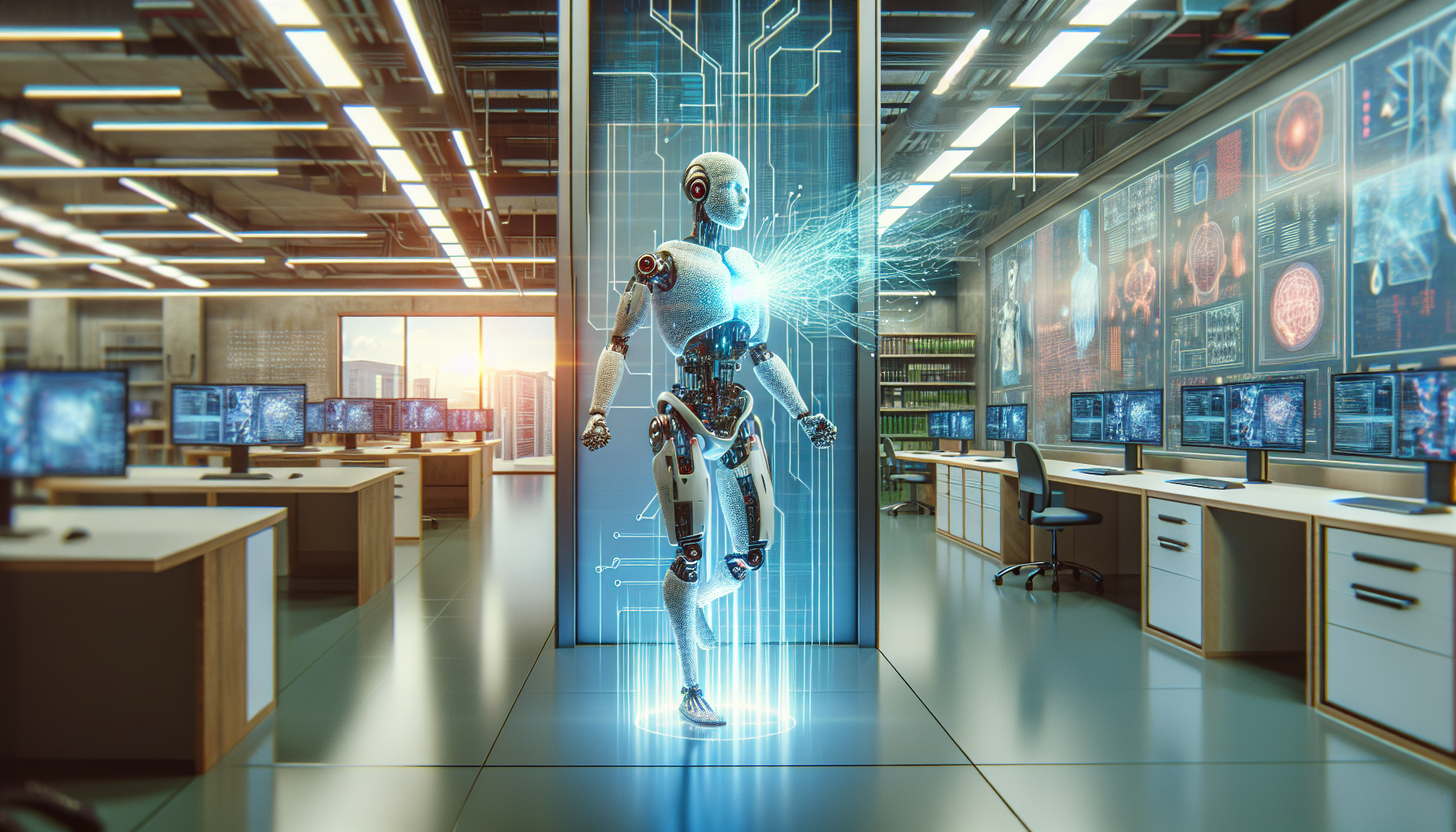
In manufacturing, for example, AI-powered robots are revolutionizing assembly lines. Unlike traditional industrial robots, which require extensive programming to perform specific tasks, modern AI-integrated robots can learn from their environment and adapt to new tasks with minimal human intervention. This adaptability reduces downtime and increases productivity, offering significant cost savings. Moreover, AI algorithms can predict maintenance needs, minimizing unexpected disruptions and extending the lifespan of machinery.
Healthcare is another arena where AI and robotics are making significant strides. Robotic surgery, guided by AI, allows for minimally invasive procedures with greater precision than ever before. AI algorithms analyze vast datasets to provide diagnostic support, offering insights that can improve patient outcomes. However, the human touch remains irreplaceable, particularly in patient care and decision-making processes. The collaboration between AI and healthcare professionals exemplifies how human intuition and machine intelligence can complement each other to enhance service delivery.
The integration of AI in robotics also extends to autonomous vehicles. These vehicles, equipped with sensors and AI-driven decision-making systems, navigate complex environments, promising to reshape transportation. While the technology continues to evolve, the collaborative model involves humans overseeing and intervening when necessary, ensuring safety and reliability. This human-machine partnership holds the potential to reduce traffic accidents and improve urban mobility, though it also raises questions about employment and regulatory frameworks.
Despite the promising prospects, the collaboration between AI and robotics is not without challenges. Ethical considerations, such as data privacy and algorithmic bias, require careful scrutiny. The deployment of AI in decision-making processes must ensure transparency and accountability, preventing unintended consequences. Furthermore, there is an ongoing debate about the implications for employment, as automation could displace certain jobs while creating opportunities in emerging fields. The key lies in upskilling the workforce and fostering a culture of lifelong learning to adapt to the changing landscape.
From a comparative perspective, one must consider the differences in how AI and robotics impact various sectors. In finance, AI algorithms analyze market trends and execute high-frequency trades with precision that outpaces human capabilities. However, the physical aspect of robotics is less pronounced in this sector, highlighting a distinct application of AI. Conversely, in logistics, robotics plays a crucial role, with automated warehouses using AI to optimize inventory management and delivery routes.
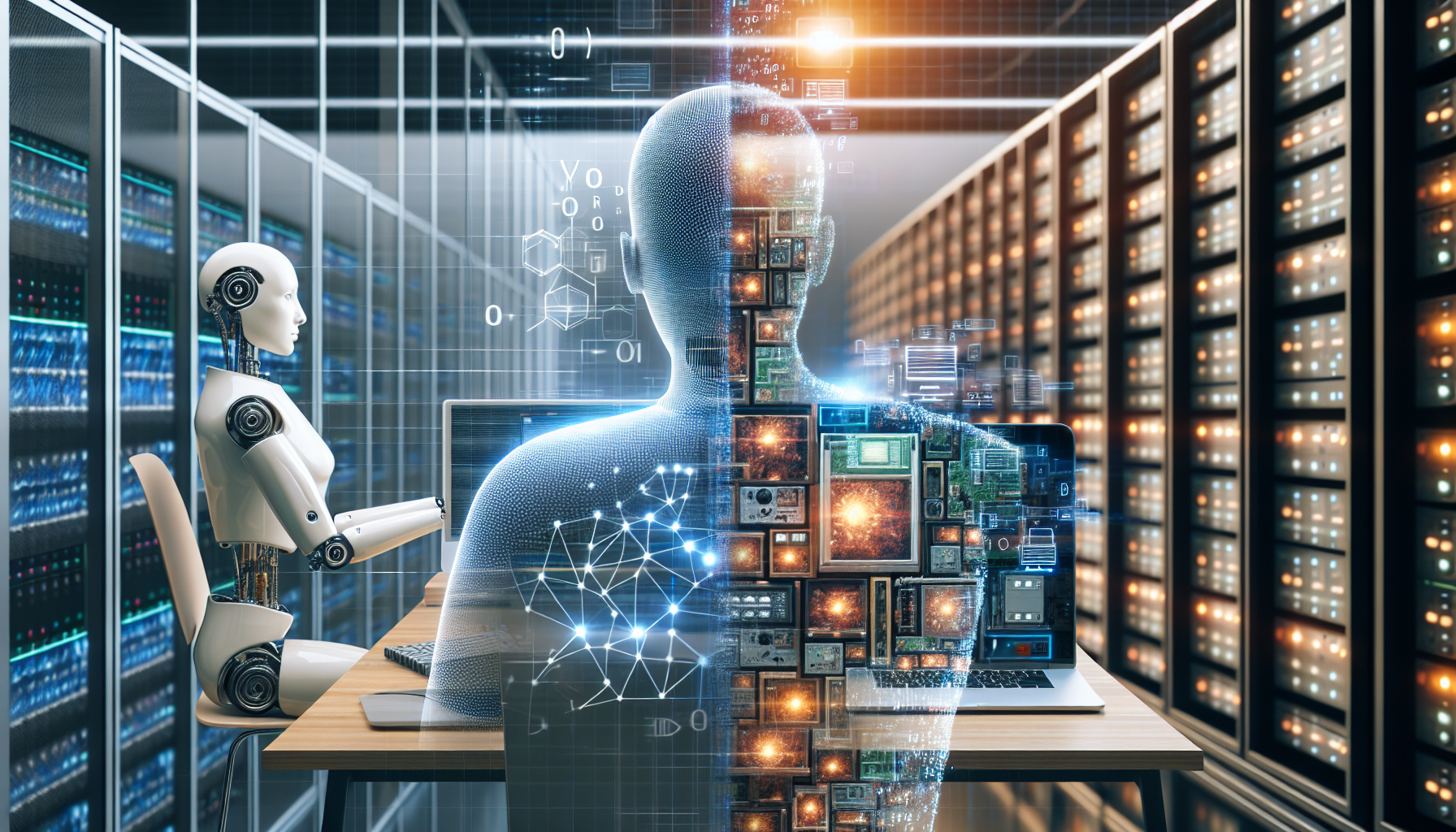
As we delve deeper into the relationship between AI and robotics, it becomes evident that the future of human-machine collaboration is not a simple dichotomy but a dynamic interplay. The success of this collaboration hinges on a symbiotic relationship where both humans and machines contribute their unique strengths. Machines offer efficiency and precision, while humans bring creativity, empathy, and ethical considerations.
The future beckons with the promise of a world where humans and machines work side by side, each complementing the other's abilities. The question that remains is how society will navigate this transition, ensuring that technological advancements lead to inclusive growth and equitable opportunities. As we stand on the cusp of this new era, the challenge is not merely to integrate AI and robotics into existing frameworks but to reimagine the very fabric of work and life in a manner that is both sustainable and equitable.