AI in Supply Chain Management: A Critical Look at Optimization Trends
December 16, 2025
Artificial intelligence has rapidly infiltrated supply chain management, heralded by many as a panacea for inefficiencies and operational headaches. Yet, while AI's potential to revolutionize logistics and distribution is often trumpeted, the underlying complexities and potential pitfalls of these technological advancements warrant a closer examination.
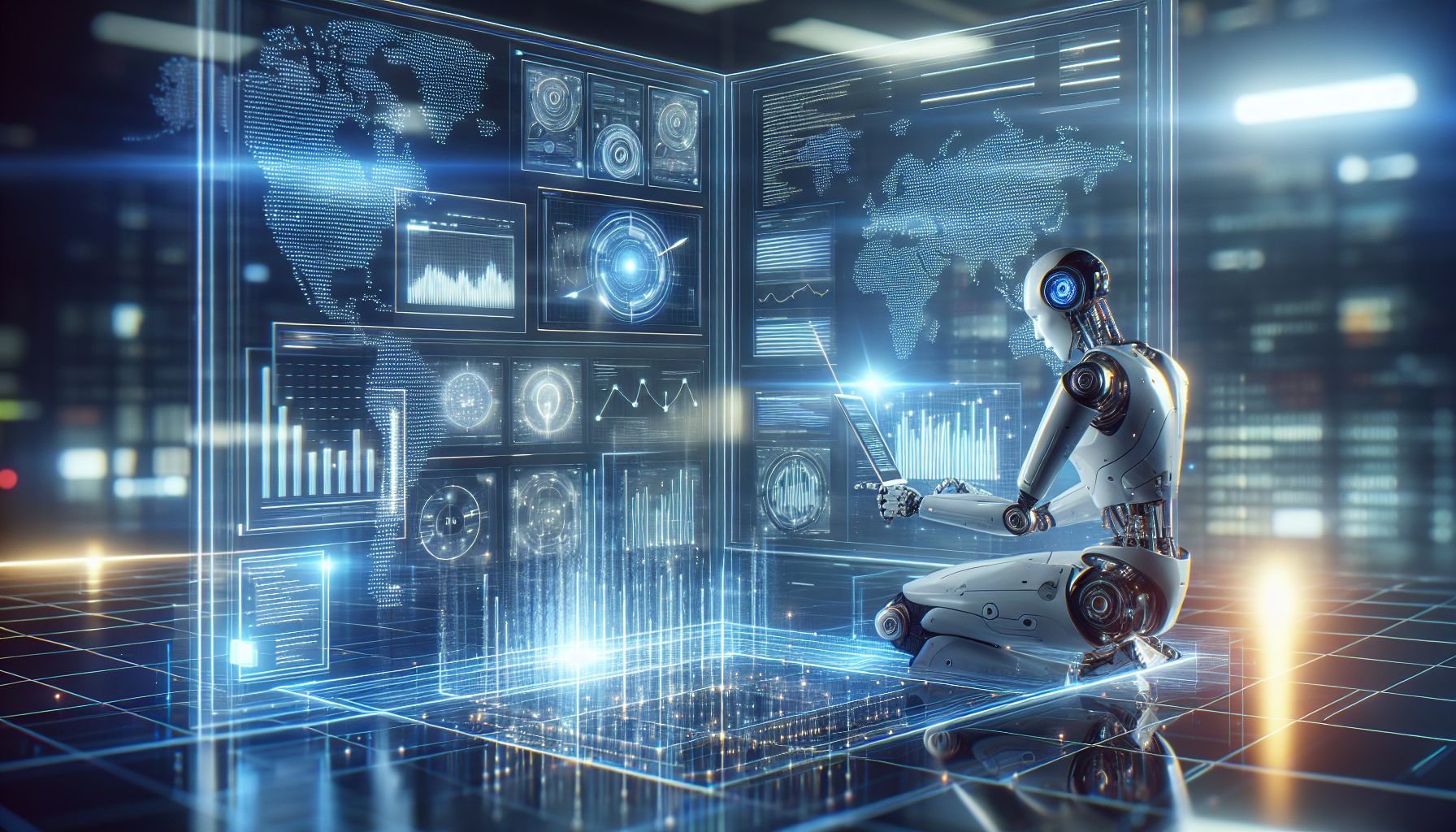
The supply chain is a complex web, intricately woven with countless moving parts. From procurement and inventory management to logistics and customer delivery, each phase presents its own set of challenges. Enter AI, with its promises of predictive analytics, real-time data processing, and automation—tools purported to untangle this web and drive unprecedented efficiencies. However, despite the alluring prospects, the reality of AI implementation in supply chains is fraught with hurdles that are often glossed over in the broader narrative of technological triumphalism.
One particularly contentious area is the reliance on predictive analytics. AI systems are designed to harness vast amounts of historical data to forecast demand, optimize inventory levels, and streamline delivery routes. Yet, the accuracy of these predictions hinges on data quality and relevance. Many businesses operate with data that is fragmented, outdated, or cluttered with inaccuracies. This poses a critical question: Can AI truly deliver its promise of precision in an environment where the foundational data is flawed?
Moreover, the integration of AI into supply chain operations is not a seamless process. It requires substantial investment—not just in technology, but in training personnel and restructuring workflows. For small to medium enterprises, these costs can be prohibitive, potentially widening the gap between industry giants who can afford such investments and smaller players who cannot. This could lead to a monopolistic drift, where market dominance is increasingly concentrated in the hands of a few.
Additionally, there is the risk of over-reliance on AI systems. While automation and machine learning can undoubtedly enhance decision-making, they are not infallible. Algorithms can perpetuate existing biases present in the data, leading to skewed outcomes. Furthermore, in the event of system failures or cyberattacks, companies heavily dependent on AI could find themselves at a standstill, with their contingency plans untested in the absence of human oversight.
The ethical implications of AI in supply chain management also deserve scrutiny. As businesses increasingly turn to AI-driven automation, the impact on the workforce cannot be ignored. Job displacement is a real concern, particularly in sectors heavily reliant on manual labor. While some argue that AI will create new roles and opportunities, the transition may not be smooth, leaving many workers vulnerable during the shift.
Despite these challenges, there are instances where AI has demonstrably enhanced supply chain operations. Companies that successfully integrate AI into their systems report improved efficiency, reduced costs, and enhanced customer satisfaction. However, these success stories often overshadow the less glamorous realities of implementation—realities that include costly failures, unexpected setbacks, and the need for ongoing adaptation and learning.
So, what does the future hold for AI in supply chain management? The trajectory remains uncertain, and businesses must tread carefully, balancing optimism with pragmatism. It is crucial for companies to adopt a nuanced approach, recognizing that while AI offers powerful tools, it is not a substitute for strategic oversight and human intuition.
The critical question remains: How can businesses leverage AI's capabilities while mitigating its risks and ethical dilemmas? As the dialogue around AI in supply chains continues to evolve, it is imperative for industry leaders, policymakers, and technologists to engage in honest, transparent discussions about the true potential—and limitations—of AI. Only then can we hope to harness its power responsibly, ensuring that the march toward optimization does not outpace our capacity to manage its consequences.