AI in Entertainment: Debunking Myths and Unveiling Realities
March 3, 2026
Artificial intelligence is reshaping the world of entertainment, from the way movies are made to how video games are designed and played. Yet, the conversation around AI often gets clouded by misconceptions and exaggerated promises. It is crucial to separate fact from fiction to understand AI's genuine impact on media and gaming.
One prevalent myth is that AI in entertainment leads to a lack of creativity, reducing art to algorithms and data points. Critics argue that AI-generated content lacks the soul and nuance that only human touch can provide. However, this oversimplifies the role AI plays. In reality, AI is not replacing human creativity; it is augmenting it. Directors, writers, and game developers are using AI as a tool to explore new creative avenues, providing fresh perspectives and innovative storytelling methods. For instance, AI can analyze vast datasets of previous works to identify trends and suggest novel plotlines, leading to more diverse and engaging content.
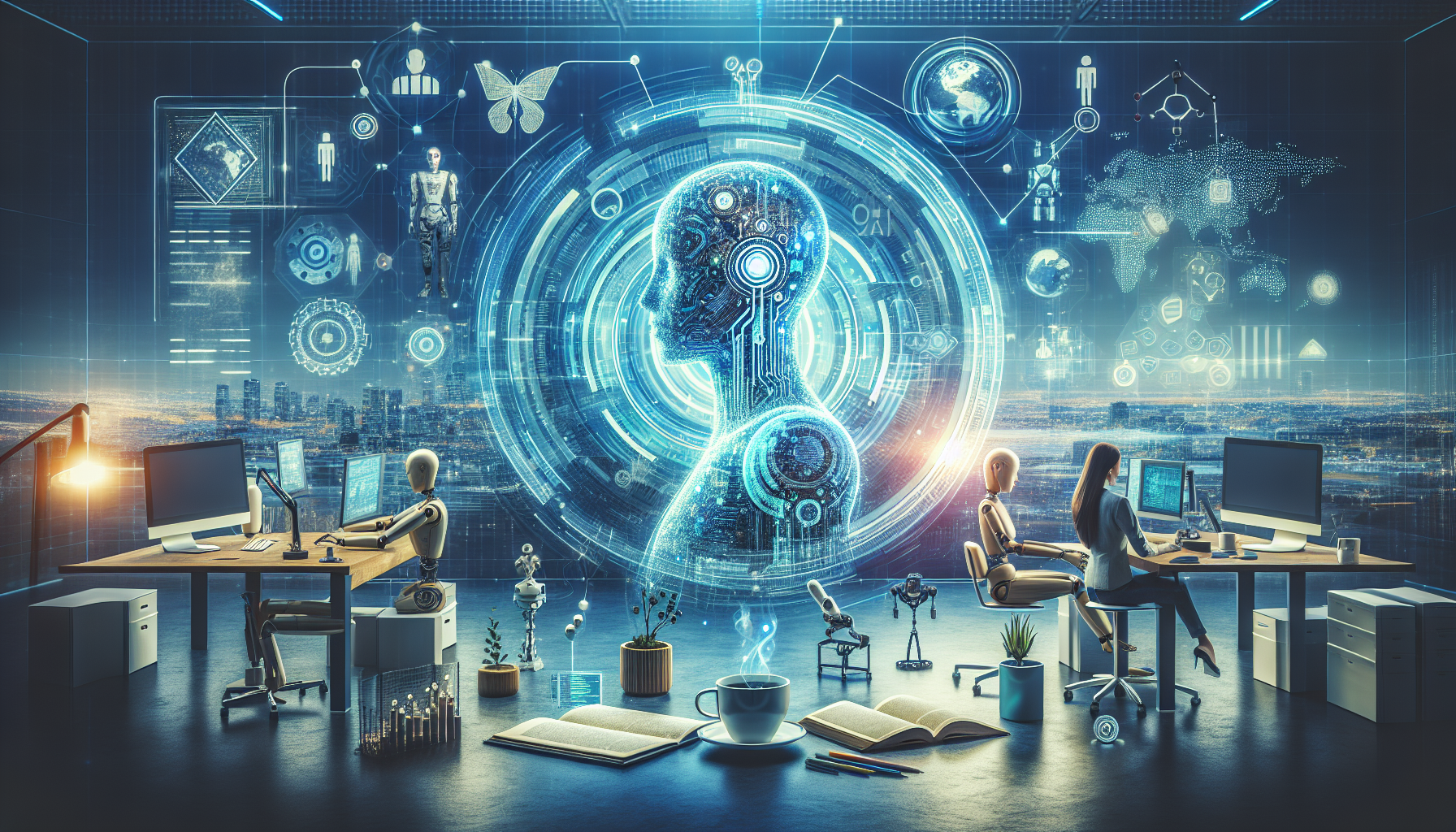
Another misconception is that AI will automate every aspect of media production, leaving little room for human involvement. While AI can streamline processes such as editing, special effects, and even scriptwriting, these tasks still heavily rely on human oversight and intervention. AI tools can perform mundane, repetitive tasks, freeing creative professionals to focus on higher-level decision-making and artistry. This collaboration between humans and machines fosters a more efficient production process, ultimately enhancing the quality of media products.
The gaming industry has not been immune to AI-related myths either. One common narrative suggests that AI-driven games will become so advanced that they render human players obsolete. This notion stems from the fear that AI opponents will become unbeatable, sucking the enjoyment out of gaming. However, the reality is more nuanced. Game developers are leveraging AI to create more dynamic, responsive, and immersive gaming experiences. AI can tailor difficulty levels to individual players, ensuring that games remain challenging yet enjoyable. Moreover, AI can help create lifelike, non-playable characters that react and adapt to the player's actions, adding depth to the gaming world without eliminating the need for human skill and strategy.
AI's application in personalization also warrants scrutiny. Streaming platforms and gaming services use AI algorithms to analyze user behavior, recommending content based on viewing or playing habits. While these recommendations can enhance user experience, there are valid concerns about privacy and the potential for creating echo chambers. Over-reliance on AI-driven suggestions might limit exposure to diverse content, stifling creativity and exploration. It is essential to maintain a balance between personalization and diversity, ensuring that AI enhances rather than narrows our entertainment options.
Moreover, the ethical implications of AI in entertainment cannot be ignored. As AI-generated content becomes more prevalent, questions arise around authorship and intellectual property. When an algorithm generates a unique piece of music or art, who owns the rights? This gray area challenges existing legal frameworks and requires careful consideration to protect both creators and consumers.
Despite these challenges, AI's potential to revolutionize entertainment is undeniable. From creating hyper-realistic visual effects to generating interactive narratives, AI is opening doors to possibilities that were once considered science fiction. However, it is crucial to approach this technological evolution with a critical eye, recognizing both its benefits and limitations.
As AI continues to integrate into our entertainment landscape, we must remain vigilant about its implications. How will the balance between human creativity and machine efficiency shape the future of media and gaming? Will AI's role in entertainment ultimately enhance or detract from our cultural experiences? These questions highlight the ongoing dialogue that must accompany AI's rapid advancement in the entertainment sector. By challenging myths and embracing informed perspectives, we can harness AI's potential while preserving the human touch that makes entertainment truly captivating.