AI and the Future of Work: Comparing Automation’s Impact Across Industries
December 24, 2025
Artificial intelligence is reshaping the very fabric of the job market, creating both a sense of opportunity and apprehension. While some fear the wholesale replacement of human jobs, others see AI as a catalyst for unprecedented innovation and efficiency. So, what is the true impact of AI on the future of work, and how can we harness its potential while mitigating risks? Through a comparative analysis, we can explore how different industries are grappling with automation's profound effects.
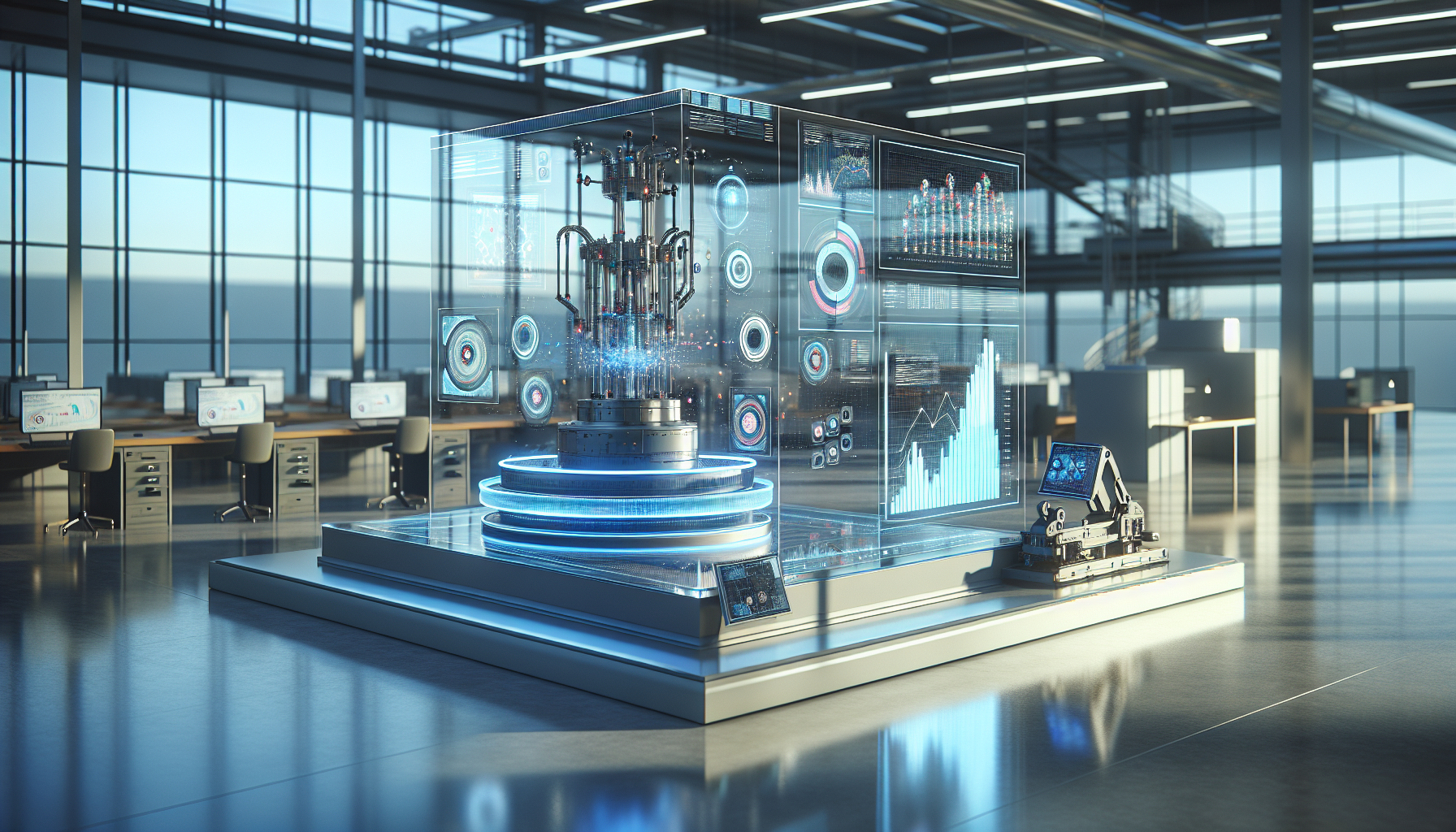
Consider the manufacturing sector, often viewed as the poster child for automation. In factories worldwide, AI systems are streamlining production lines, transforming operations with precision and speed unimaginable just a decade ago. Robots now perform repetitive and dangerous tasks, reducing human error and enhancing safety. However, this shift has not been without consequence. As machines take over manual labor, the demand for traditional factory jobs has declined, forcing workers to adapt by acquiring new skills in robotics maintenance and data analysis.
Contrast this with the healthcare industry, where AI is not replacing workers but augmenting their capabilities. Algorithms assist in diagnosing diseases with greater accuracy than ever before, analyzing medical images and predicting patient outcomes. This allows healthcare professionals to focus more on patient care and less on administrative tasks. Here, AI acts as a partner rather than a competitor, illustrating how technology can elevate human roles rather than diminish them.
The financial sector presents another intriguing case study. AI-driven algorithms are revolutionizing how financial institutions operate, from algorithmic trading to risk assessment. Automation in this realm has led to an increase in efficiency and a decrease in human error. However, the complexities of financial markets mean that human intuition and oversight remain indispensable. As AI takes on more transactional tasks, finance professionals are pivoting towards roles that require strategic thinking and client relationship management, areas where human skills are irreplaceable.
The retail industry, too, provides a fascinating glimpse into AI's dual impact. On one hand, AI-powered systems manage inventory and personalize shopping experiences, offering consumers tailored recommendations based on their purchasing history. On the other hand, automation in this sector has led to a reduction in traditional retail jobs, such as cashiers and stock clerks. Yet, the rise of e-commerce has simultaneously created new opportunities in digital marketing, logistics, and customer service. This evolution underscores the adaptability required in a rapidly changing job landscape.
In the realm of education, AI is fostering personalized learning experiences. Intelligent tutoring systems adapt to the needs of individual students, providing tailored feedback and resources. Teachers are finding new ways to incorporate technology into their classrooms, enhancing their teaching methods. While some fear that AI could replace educators, it is more likely that AI will serve as a supplementary tool, freeing teachers from administrative burdens and allowing them to focus on nurturing critical thinking and creativity in students.
Despite these varied impacts, one theme remains constant across industries: the need for a workforce that is adaptable and willing to embrace lifelong learning. The rise of AI necessitates a shift in educational priorities, emphasizing skills such as problem-solving, critical thinking, and emotional intelligence—traits that machines cannot replicate. Governments, educational institutions, and businesses must collaborate to create pathways for reskilling and upskilling, ensuring that workers are equipped to thrive in an AI-driven economy.
As we navigate this transformative era, we must ask ourselves: How can we balance the automation of tasks with the need for human creativity and empathy? The solution lies not in resisting technological advancement but in shaping it to serve human needs. By fostering a culture of innovation and adaptability, we can harness AI's power to enhance our lives and work.
The future of work will undoubtedly be marked by continued change, but this change need not be feared. Instead, it can be embraced as an opportunity to redefine what it means to work in a world where machines and humans collaborate. As we stand on the brink of this new frontier, we are challenged to think beyond the immediate impacts and consider the long-term implications of AI on our society. In doing so, we can create a future where technology and humanity coexist harmoniously, each enhancing the other's potential.