Machine Learning vs. Deep Learning: Understanding the Differences and Future Predictions
December 23, 2025
The realm of artificial intelligence (AI) is vast and complex, yet two key concepts often command center stage: machine learning and deep learning. While both are integral to AI's evolution, their roles and implications for the future merit closer examination. Understanding their distinctions not only illuminates their current applications but also provides insights into their potential trajectories.
Machine learning, at its core, is a method of data analysis that automates analytical model building. It is based on the idea that systems can learn from data, identify patterns, and make decisions with minimal human intervention. This process, however, does not necessitate a deep understanding of the underlying data structures. The classic applications of machine learning are seen in recommendation systems, fraud detection, and predictive maintenance, where algorithms like decision trees, support vector machines, and k-nearest neighbors reign supreme.
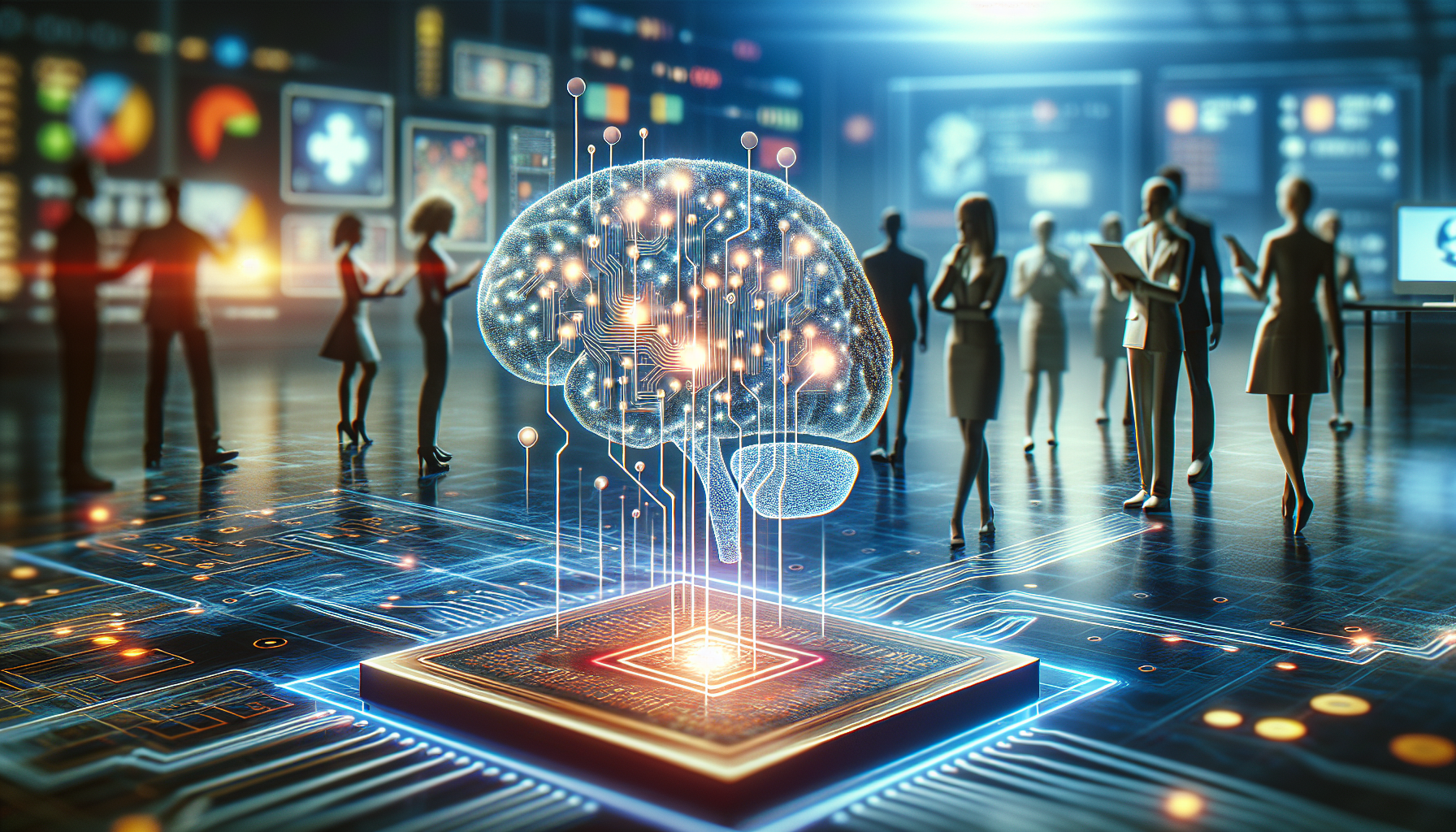
Deep learning, a subset of machine learning, operates with intricate, layered neural networks that mimic the human brain's architecture. These networks, known as artificial neural networks, allow deep learning models to process vast amounts of data and extract high-level features without human supervision. It is this capability that enables deep learning to perform tasks such as image and speech recognition with unprecedented accuracy. The power of deep learning is most evident in applications like autonomous vehicles, where rapid decision-making based on complex inputs is crucial.
One might wonder why the distinction between machine learning and deep learning is significant. The answer lies in their differing approaches and potential impacts. Machine learning typically requires feature engineering—a process where humans identify the most relevant attributes of the data for the model. In contrast, deep learning algorithms automatically discover the most important features, albeit at the cost of requiring significantly more data and computational power.
Looking ahead, the implications of these differences become even more pronounced. For sectors relying on quick, efficient analysis of structured data, machine learning will continue to be invaluable. Its adaptability ensures it remains a cornerstone for businesses looking to optimize operations or enhance customer experiences through data-driven insights.
Deep learning, with its ability to handle unstructured data like images and audio, is poised to revolutionize industries reliant on these data types. For instance, healthcare could see dramatic improvements in diagnostic accuracy through advanced image recognition, while the entertainment industry might benefit from increasingly sophisticated content generation tools.
However, the future of these technologies is not without challenges. The computational demands of deep learning models necessitate substantial resources, potentially limiting accessibility for smaller entities. Moreover, the complexity of these models often results in a "black box" phenomenon, where understanding the decision-making process becomes difficult. This opacity raises ethical and regulatory concerns, particularly in sensitive areas like law enforcement and employment.
To address these issues, researchers are exploring hybrid models that combine the strengths of both machine learning and deep learning. These models aim to harness the efficiency and interpretability of machine learning while leveraging the powerful feature extraction capabilities of deep learning. Such innovations could democratize access to advanced AI technologies, allowing a broader range of industries to benefit.
As we ponder the future, it is crucial to consider how these technological advances will shape societal norms and structures. Will deep learning's capacity for automation lead to significant shifts in the labor market? How might machine learning's adaptability influence the development of personalized education or healthcare systems?
The trajectory of machine learning and deep learning is not merely a technical journey but a societal one. As these technologies evolve, they will invariably redefine the boundaries of what is possible. Engaging with these questions is essential for navigating the ethical landscape of a future increasingly influenced by AI. In contemplating the potential of these technologies, one might ask: How can we ensure that the benefits of machine learning and deep learning are equitably distributed across society, fostering innovation while safeguarding human values?