AI and Robotics: Shaping the Future of Human-Machine Collaboration
February 18, 2026
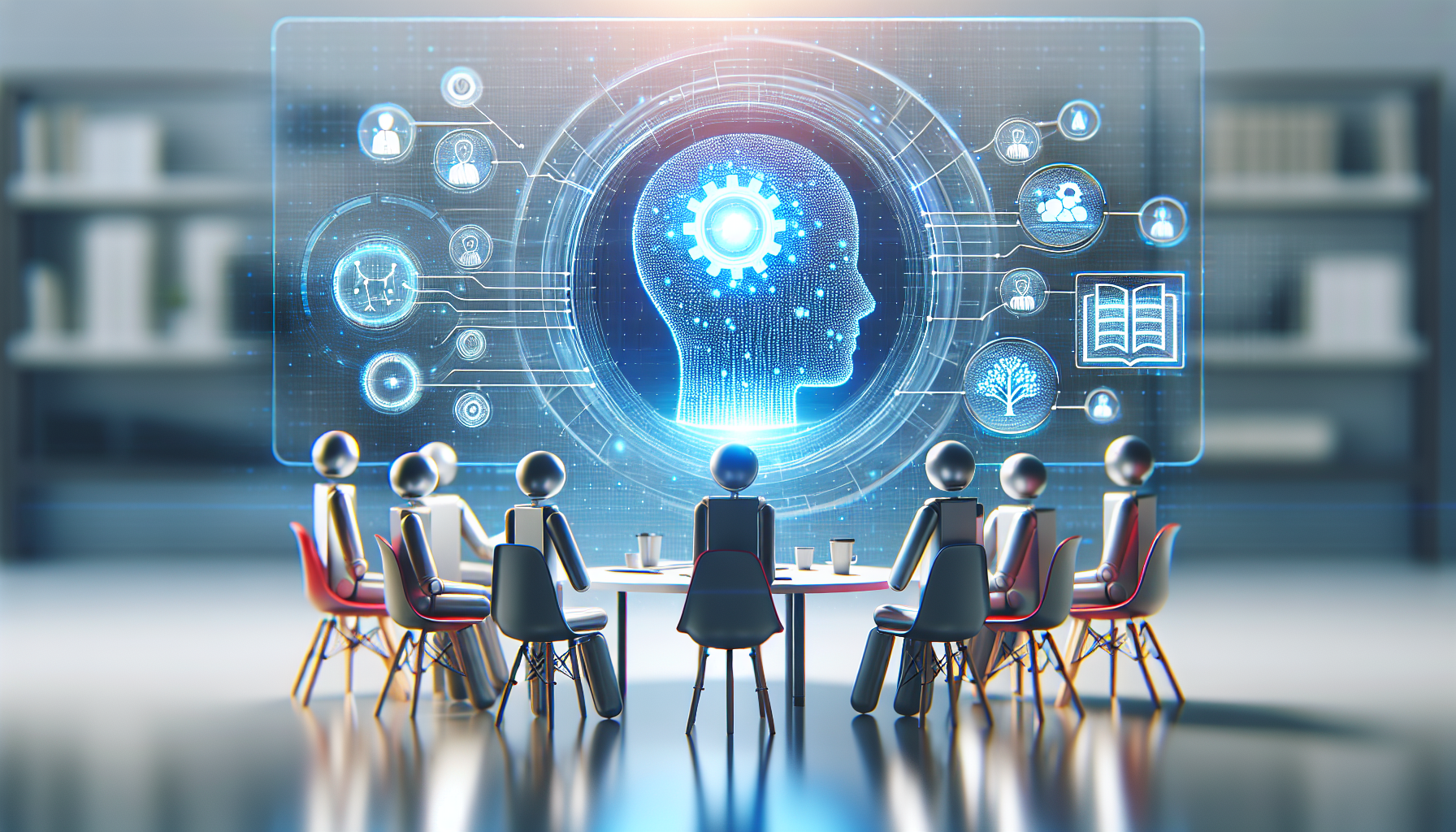
Artificial intelligence and robotics are redefining the contours of human-machine collaboration, with implications that stretch across industries and everyday life. This convergence is not just a technological evolution but a revolution in how we perceive and engage with machines. The synergy between AI and robotics offers a glimpse into a future where machines are not mere tools but intelligent partners capable of transforming productivity and creativity.
Consider the manufacturing industry, a sector where AI-integrated robotics is making significant strides. Robots, equipped with intelligent algorithms, are no longer confined to repetitive tasks. They can now adapt to new environments, learn from data, and make decisions autonomously. This transformation is not merely about efficiency; it embodies a shift towards more adaptive and resilient manufacturing processes. These robots can work alongside humans, learning from their actions and even predicting their needs, which minimizes downtime and maximizes output.
In healthcare, AI and robotics are forming a formidable alliance. Robotic surgery, once a futuristic concept, is now a reality where precision and minimal invasiveness are the norms. Surgeons are leveraging AI to enhance their capabilities, allowing them to perform complex procedures with higher accuracy and reduced recovery times for patients. Moreover, AI-driven robots in caregiving roles can assist the elderly, offering companionship and monitoring health metrics, thus ensuring a safer and more personalized care experience.
The educational sector is also witnessing an AI and robotics transformation. Robots equipped with AI capabilities are being used as teaching assistants, providing personalized learning experiences and helping to manage classrooms. These robots can adapt their teaching methods based on the student's learning pace and style, thus catering to individual needs and fostering a more engaging and effective learning environment.
However, the integration of AI and robotics is not without its challenges. Ethical considerations and the fear of job displacement loom large. It is crucial to recognize that this technological shift is not about replacing humans but augmenting human capabilities. The future of work will likely see humans and machines collaborating in ways that were previously unimaginable, with machines taking over mundane tasks and humans focusing on creative and strategic roles.
From a lesser-known perspective, AI and robotics are also making strides in environmental conservation. Robots with AI capabilities are deployed to monitor ecosystems, track wildlife, and even clean oceans, providing invaluable data and performing tasks that are too dangerous or tedious for humans. This application not only showcases the potential of AI and robotics in preserving our planet but also highlights the importance of interdisciplinary collaboration in solving global challenges.
In the retail industry, AI-powered robots are revolutionizing the shopping experience. From inventory management to customer service, these robots ensure that operations run smoothly while providing personalized recommendations and assistance to shoppers. The integration of AI in retail not only streamlines operations but also enhances the customer experience, making shopping more efficient and enjoyable.
Despite the promising prospects, the road to widespread AI and robotics integration is fraught with hurdles. Ensuring data privacy, addressing algorithmic biases, and building trust in AI systems are paramount. These challenges require thoughtful consideration and proactive measures to ensure that the benefits of AI and robotics are realized equitably across society.
As we stand on the cusp of a new era of human-machine collaboration, it's essential to ask ourselves: how can we harness the power of AI and robotics to create a future that is inclusive, sustainable, and beneficial for all? The answer lies in fostering a collaborative spirit between humans and machines, where technology is viewed not as a replacement but as a partner in progress. This partnership has the potential to unlock new possibilities and redefine the boundaries of innovation, creativity, and human potential.