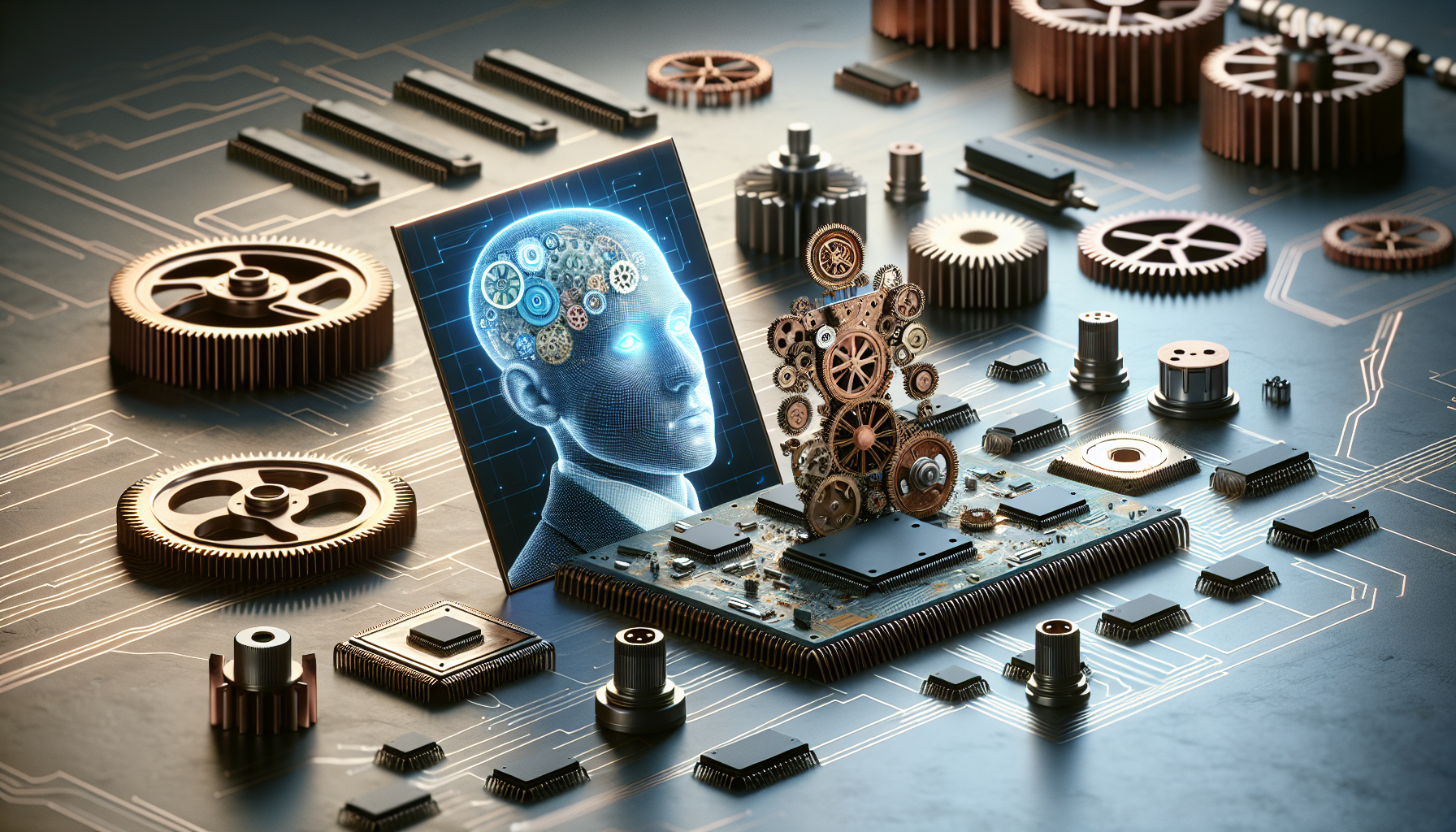
Cognitive Computing: Unleashing Human Potential Through AI
April 11, 2026
Imagine a world where machines understand human emotions, learn from experiences, and evolve with us in solving the most complex challenges of our time. This vision is no longer confined to science fiction, thanks to the revolutionary field of cognitive computing. Unlike traditional AI, which relies on pre-defined rules and algorithms, cognitive computing seeks to mimic human thought processes in nuanced and sophisticated ways. Here’s an inspirational guide on how cognitive computing is shaping the future and how you can be part of this transformative journey.
At its core, cognitive computing is about creating systems that can think, learn, and adapt like humans. This isn’t about replacing human intelligence but augmenting it, enabling us to tackle problems that were previously unsolvable. The potential applications are as diverse as they are impactful. From healthcare to education, cognitive computing is poised to redefine industries by enhancing our ability to make informed decisions.
For those eager to dive into this exciting frontier, the first step is understanding the foundational technologies. Cognitive computing leverages natural language processing, machine learning, and data mining to interpret and process vast amounts of information. These systems are designed to comprehend context, nuance, and even intent, offering a more human-like interaction with machines. By delving into these technologies, you not only gain a technical edge but also prepare yourself to harness the full potential of cognitive systems.
Consider healthcare, one of the most promising arenas for cognitive computing. Imagine a world where doctors have a digital assistant capable of analyzing millions of medical journals and patient records in seconds. This assistant could offer diagnostic suggestions or treatment plans tailored to the unique genetic makeup of each patient. Such a scenario is becoming increasingly feasible as cognitive systems learn to interpret complex data and provide insights that enhance human expertise.
For professionals in the field, the journey into cognitive computing offers a chance to be part of something larger than oneself. By contributing to projects that push the boundaries of what's possible, you are not only advancing technology but also making a tangible difference in people's lives. The key is to approach this field with an open mind and a willingness to explore uncharted territories.
Education is another sector where cognitive computing holds transformative potential. Picture classrooms where personalized learning paths are crafted in real-time, adapting to the needs and abilities of each student. Cognitive systems can analyze a student's learning style, predict challenges, and adjust educational content accordingly. This level of personalization can empower educators to focus on nurturing creativity and critical thinking skills, ultimately preparing students for a future where adaptability is paramount.
But how does one get started in cognitive computing? The journey begins with curiosity and a commitment to continuous learning. Start by exploring online courses and workshops that delve into AI and cognitive computing fundamentals. Engaging with communities of like-minded enthusiasts and professionals can provide invaluable insights and foster innovation. By building a strong foundation, you can position yourself to contribute to cutting-edge projects and initiatives.
Moreover, collaboration is a cornerstone of progress in cognitive computing. The most groundbreaking innovations often arise from the synergy of diverse perspectives and expertise. Whether you're a seasoned technologist or a newcomer, seeking out opportunities to collaborate with others can lead to unexpected breakthroughs. By working together, we can unlock the full potential of cognitive computing to address the grand challenges of our time.
As we stand on the brink of this new era, it's essential to consider the ethical implications of cognitive computing. As these systems become more integrated into our lives, we must ensure they are developed and deployed responsibly. Engaging in discussions about transparency, privacy, and bias is crucial to building trust and fostering acceptance of cognitive technologies. By advocating for ethical standards, you can help shape a future where technology serves the greater good.
In this rapidly evolving field, the question isn't whether cognitive computing will change our world, but how we will shape its impact. Will we use this technology to amplify human potential and solve pressing global issues? As we ponder these possibilities, the challenge and opportunity lie in our hands. How will you contribute to a future where machines and humans work together in harmony, each enhancing the capabilities of the other? The journey into cognitive computing is just beginning, and your role in it could be as profound as the technology itself.