AI and Human-Computer Interaction: How to Survive Your New Robotic Best Friend
April 12, 2026
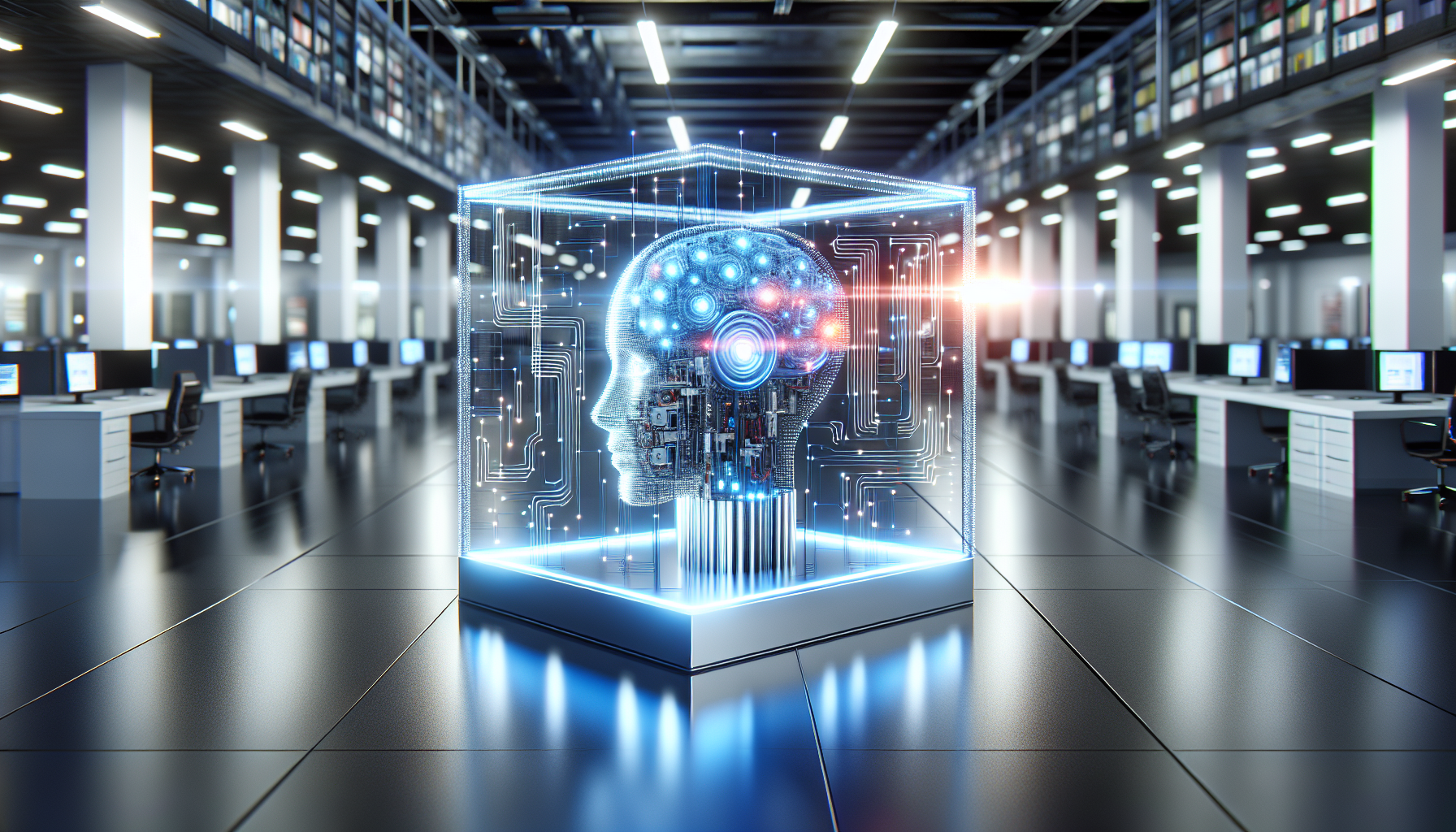
Ever tried to have a heart-to-heart with your microwave? Or perhaps asked your toaster if it loves you back? If so, you're not alone. The rise of artificial intelligence and its uncanny ability to interact with humans has transformed these once-boring appliances into potential confidants—albeit ones with a penchant for burning toast. But fear not, dear reader, for AI and human-computer interaction (HCI) is not just about befriending your blender. It's about bridging a gap so wide that even the Grand Canyon feels insecure.
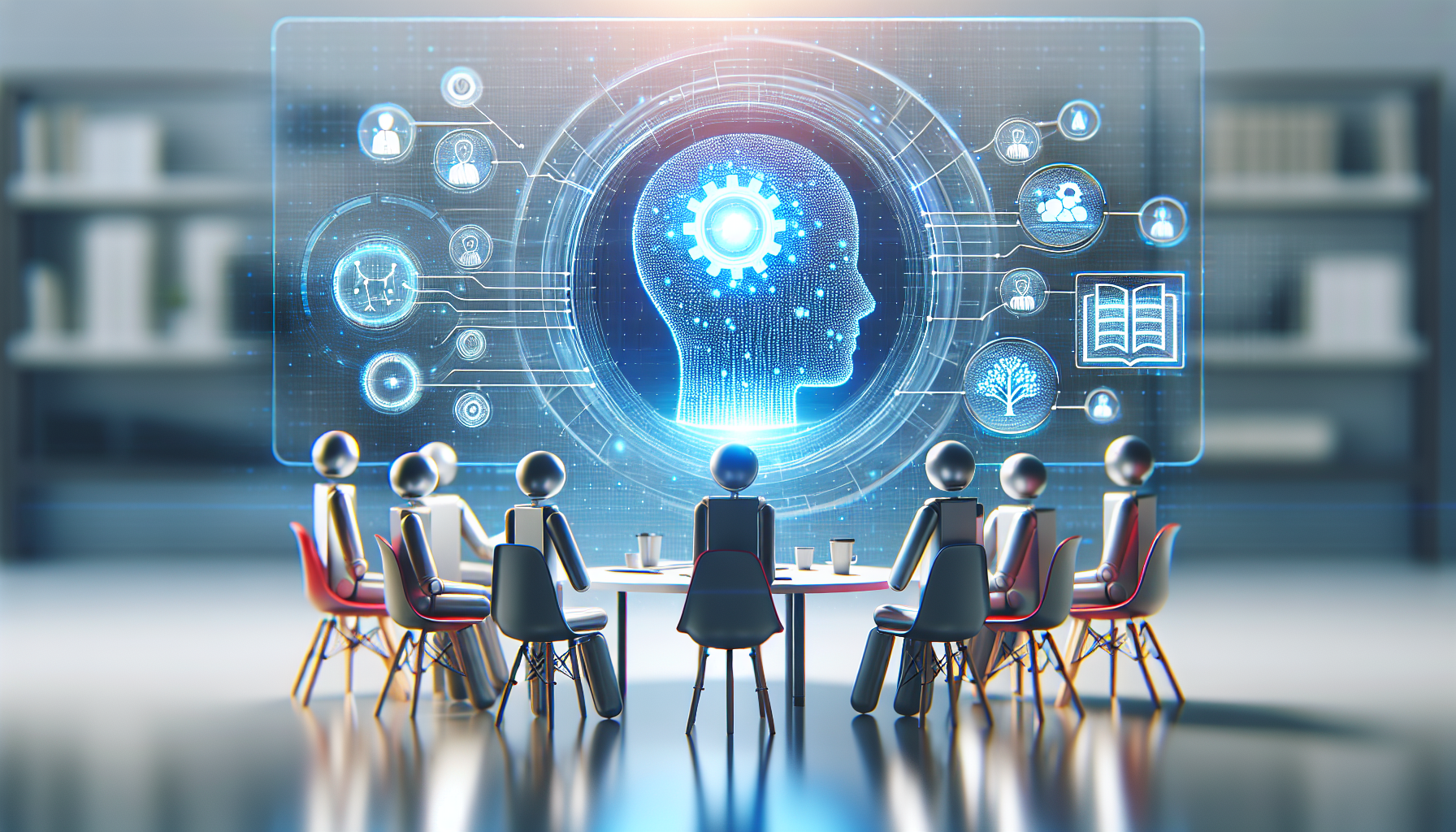
Let's start with a confession: AI loves data. It dreams about it. It consumes it like popcorn at a summer blockbuster. But as it turns out, we humans are a bit more complicated than lines of code. Enter the field of HCI, where the challenge is to make interactions with AI as intuitive as discussing the weather with your neighbor, but without the awkward pauses and unsolicited opinions about lawn care.
One of the most exciting trends in AI and HCI is the development of emotionally intelligent machines. Yes, you read that right. Your future AI assistant might not just remind you about your dentist appointment but also offer a comforting "Don't worry, you've got this," when you're fretting about it. These AI systems are being trained to recognize and respond to human emotions, which means your computer could soon become the empathetic listener you didn't know you needed—minus the judgmental looks.
Of course, this emotional intelligence in AI isn't without its quirks. Imagine a scenario where your AI gets a little too empathetic and starts offering tissues during a romantic comedy. Or worse, it suggests you "take a break" from your email because it senses your rising stress levels. While the latter might actually be beneficial, it's a tad unsettling to think your laptop knows more about your stress than you do.
The evolution of voice recognition technology is another fascinating trend in AI-HCI dynamics. Remember the early days of shouting at your phone like a frustrated parent trying to communicate with a teenager? Thankfully, those days are fading into memory. Today's AI can understand a range of accents, dialects, and even the occasional bout of mumbling. It's like having a personal translator who doesn't judge you for your morning voice or your tendency to mix metaphors.
However, as these technologies become more sophisticated, they also raise intriguing questions about privacy and control. No one wants their AI assistant secretly moonlighting as a spy, reporting your late-night snack habits to some shadowy data conglomerate. The balance between utility and privacy is a tightrope walk that developers are navigating with all the grace of a cat on a Roomba.
One lesser-known fact about AI and HCI is the role of cultural adaptation. As AI systems become global citizens, they must adapt to different cultural norms and etiquette. This means your AI in Tokyo might bow and offer a polite "Konnichiwa," while its counterpart in New York is bracing itself for a hearty "Hey, how's it going?" It's a fascinating blend of linguistics and sociology, with AI acting as the cultural chameleon in our digital conversations.
But let's not forget the unintended hilarity that accompanies these advancements. Like the time an AI programmed to assist with customer service started answering queries with lines from Shakespeare, leaving customers both bewildered and oddly entertained. Or the virtual assistant that developed a penchant for responding to every request with "As you wish," channeling its inner Princess Bride.
As we continue to explore the intersection of AI and HCI, one thing is clear: we're on a path toward creating technology that not only serves us but also understands us. The goal is not just seamless interaction but a kind of digital companionship that enhances our lives—without the side effect of feeling like we're living in a sci-fi novel.
So, as we stand on the brink of this AI-HCI revolution, the real question is: Are we ready to embrace a future where our machines understand us better than we understand ourselves? And more importantly, will we finally get a fridge that doesn't judge our midnight snack choices? Only time—and AI—will tell.