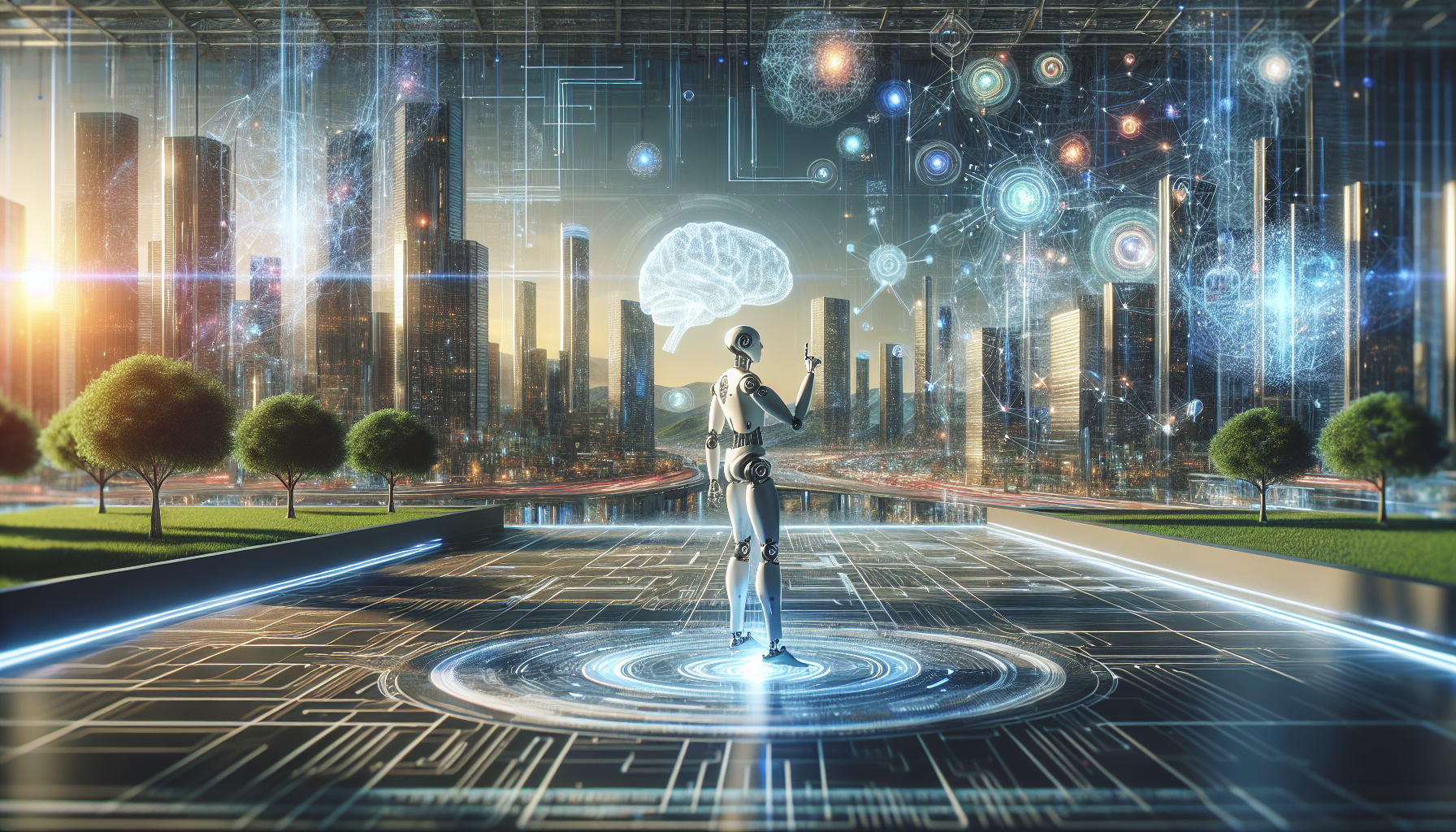
AI and Human-Computer Interaction: Bridging the Gap for an Innovative Future
March 27, 2026
In a rapidly advancing technological landscape, the intersection of artificial intelligence (AI) and human-computer interaction (HCI) promises to reshape the fabric of our daily lives. As AI systems become increasingly sophisticated, they offer unprecedented opportunities to enhance the ways humans engage with machines. The focus now turns to future predictions that explore how this synergy might evolve, potentially revolutionizing both personal and professional domains.
The integration of AI into HCI is not merely about improving efficiency; it is about creating seamless interaction experiences that feel intuitive and human-centric. Future systems are expected to become more adept at understanding nuanced human emotions, adapting to individual user preferences, and anticipating needs even before they are articulated. This evolution will rely heavily on advancements in machine learning algorithms and natural language processing, enabling computers to interpret and mimic human-like responses.
One intriguing aspect of this future landscape is the concept of contextual awareness. Machines of the future might possess an enhanced ability to understand the context in which they are being used, leading to more relevant interactions. For instance, an AI-driven personal assistant could adjust its communication style based on the user’s mood or the urgency of the task at hand. Such a level of personalization could significantly improve user satisfaction and productivity.
Furthermore, the role of AI in HCI extends beyond individual interactions. In professional settings, AI-powered interfaces could facilitate collaborative work by understanding group dynamics and suggesting optimal ways to distribute tasks among team members. This could transform organizational workflows, leading to more efficient and harmonious work environments. Additionally, AI could provide real-time feedback during meetings, helping to identify areas for improvement and fostering a culture of continuous learning and growth.
The future also holds potential for AI to bridge linguistic and cultural gaps in human-computer interaction. Advanced translation algorithms could enable seamless communication across different languages, making information accessible to a broader audience and fostering global collaboration. This would not only democratize technology but also pave the way for a more inclusive digital society.
Despite these promising developments, the integration of AI in HCI is not without challenges. Ethical considerations, data privacy concerns, and the potential for bias in AI systems must be addressed to ensure that these technologies are developed responsibly. The future of AI in HCI will require a delicate balance between innovation and regulation, ensuring that the benefits are realized without compromising fundamental human rights.
A lesser-known yet critical factor in this discourse is the potential for AI to enhance accessibility. By tailoring interactions to accommodate users with disabilities, AI can contribute to a more equitable technological environment. For example, AI systems could offer voice-controlled interfaces for those with mobility impairments or provide visual descriptions for users with vision impairments, thereby leveling the playing field and promoting inclusivity.
Looking ahead, the collaboration between AI and HCI specialists will be pivotal in driving these innovations. Multidisciplinary teams, combining expertise from computer science, psychology, design, and ethics, will be essential in crafting systems that are not only technologically advanced but also aligned with human values. This collaborative effort could yield groundbreaking applications that redefine the boundaries of what is possible in human-computer interaction.
As we ponder the future of AI and HCI, it becomes evident that we stand on the brink of a transformative era. The potential for these technologies to enrich human lives is immense, yet the path forward is fraught with complexities that must be navigated with care. How will society ensure that this powerful alliance between AI and HCI serves the greater good, fostering a world where technology enhances human potential while preserving our core humanity? This question invites us to engage in a thoughtful dialogue about the future we wish to create, challenging us to envision possibilities that extend beyond the present horizon.