AI and Aging: How Technology is Revolutionizing Support for the Elderly
March 30, 2026
Artificial Intelligence (AI) has emerged as a formidable tool in addressing the challenges posed by an aging global population. Leveraging advancements in AI, various sectors are pioneering innovative solutions to enhance the quality of life for older adults. This article delves into a comparative analysis of how AI technologies are being deployed to support the elderly, focusing on healthcare, social interaction, and daily living assistance.
In healthcare, AI's potential is being realized through precision medicine, predictive analytics, and robotic assistance. Precision medicine utilizes AI algorithms to analyze vast datasets, including genetic information, to tailor treatments to individual patients. This personalized approach can significantly improve healthcare outcomes for the elderly, who often have complex medical histories. Predictive analytics, another AI application, enables healthcare providers to foresee potential health issues before they become critical, thus enhancing preventive care measures. For instance, AI-driven models can predict the likelihood of falls in seniors by analyzing gait patterns and other physiological data, allowing for timely interventions.
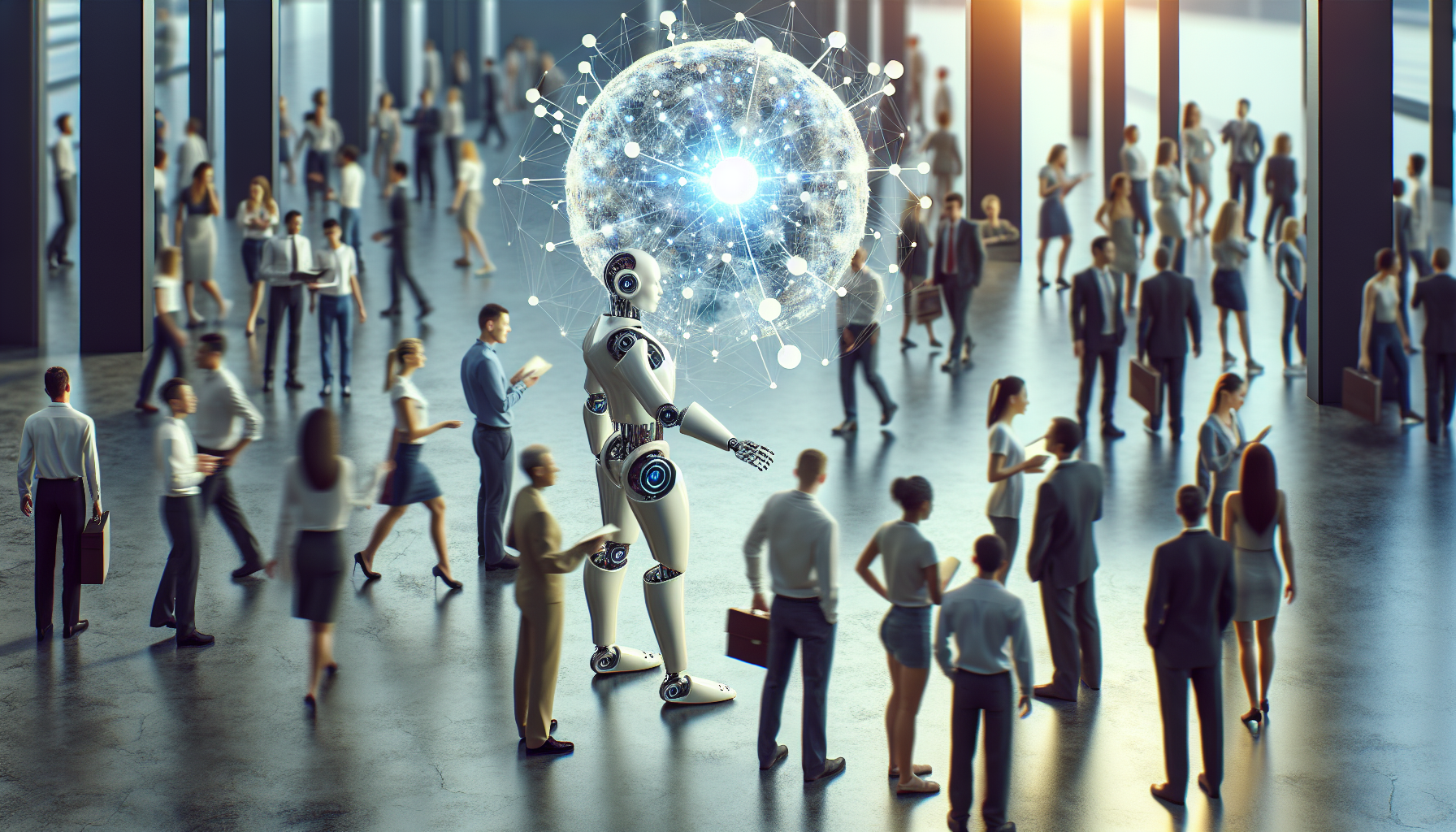
Robotic assistance represents a burgeoning field where AI is making a substantial impact. Robots equipped with AI capabilities can assist with routine tasks such as medication management, mobility support, and even companionship. These robotic solutions not only provide practical support but also offer emotional comfort, addressing the social isolation that many seniors face. The deployment of AI in robotic form is particularly beneficial in scenarios where human caregivers are scarce, ensuring that the elderly receive consistent and reliable care.
Social interaction is another critical area where AI is proving invaluable. Virtual assistants and AI-powered communication platforms are helping bridge the gap between seniors and their families, especially when physical distance is a barrier. These technologies enable older adults to maintain social connections, participate in video calls, and even engage in virtual communities, thus reducing feelings of loneliness. Moreover, AI-driven language processing tools can assist seniors with cognitive impairments by simplifying communication, ensuring they remain an active part of their social circles.
In terms of daily living, AI is being integrated into smart home technologies to promote independence among the elderly. Smart home systems, powered by AI, can automate tasks such as lighting, temperature control, and security, creating a safe and comfortable living environment. Additionally, these systems can monitor daily activities and alert caregivers or family members to any irregularities, such as a missed meal or an unusual absence from home, enhancing the overall safety and well-being of elderly residents.
Despite the clear benefits, the integration of AI into aging support systems raises several ethical and technical challenges. Data privacy is a significant concern, as AI systems often require access to sensitive personal information to function effectively. Ensuring that this data is protected and used ethically is paramount to gaining the trust of users and stakeholders. Additionally, the deployment of AI technologies must be inclusive, ensuring that they are accessible to all seniors, regardless of their socioeconomic status or technical literacy.
Furthermore, the reliance on AI solutions should not overshadow the importance of human interaction in elder care. While AI can provide essential support, it cannot replace the empathy and compassion that human caregivers offer. Thus, the ideal approach would be a hybrid model where AI complements human efforts, enhancing care delivery without diminishing the human touch.
As AI continues to evolve, it is crucial to consider its long-term implications on society and the elderly. How will these technologies redefine the concept of aging and elder care in the future? Will they succeed in creating a more inclusive and supportive environment for seniors, or will they exacerbate existing disparities? These questions invite further exploration and dialogue among technologists, policymakers, and society at large.
The intersection of AI and aging presents an opportunity to rethink how we care for our elderly population. By embracing technological advancements while addressing the associated challenges, we can create a future where aging is not merely a process of decline but a stage of life enriched with dignity, independence, and connection.