The Economic Impact of Artificial Intelligence: Catalyzing Growth and Displacement
March 30, 2026
A transformative force is reshaping the global economy, and it is neither restricted by borders nor limited by industry. Artificial Intelligence, that enigmatic blend of algorithms and data-driven insights, is rapidly becoming a cornerstone of economic discourse. As we navigate this technological tide, the dual narrative of growth and displacement emerges as a critical theme—one that demands our attention and consideration.
Consider the realm of productivity enhancements. AI-driven automation is setting a new benchmark for efficiency, allowing businesses to streamline operations and reduce costs. Whether it's through predictive analytics that refine supply chains or machine learning algorithms that optimize customer service, AI is rewriting the rulebook on operational excellence. This surge in productivity is not just a boon for the corporate balance sheet; it translates into more competitive pricing and better consumer experiences, ultimately driving economic growth.
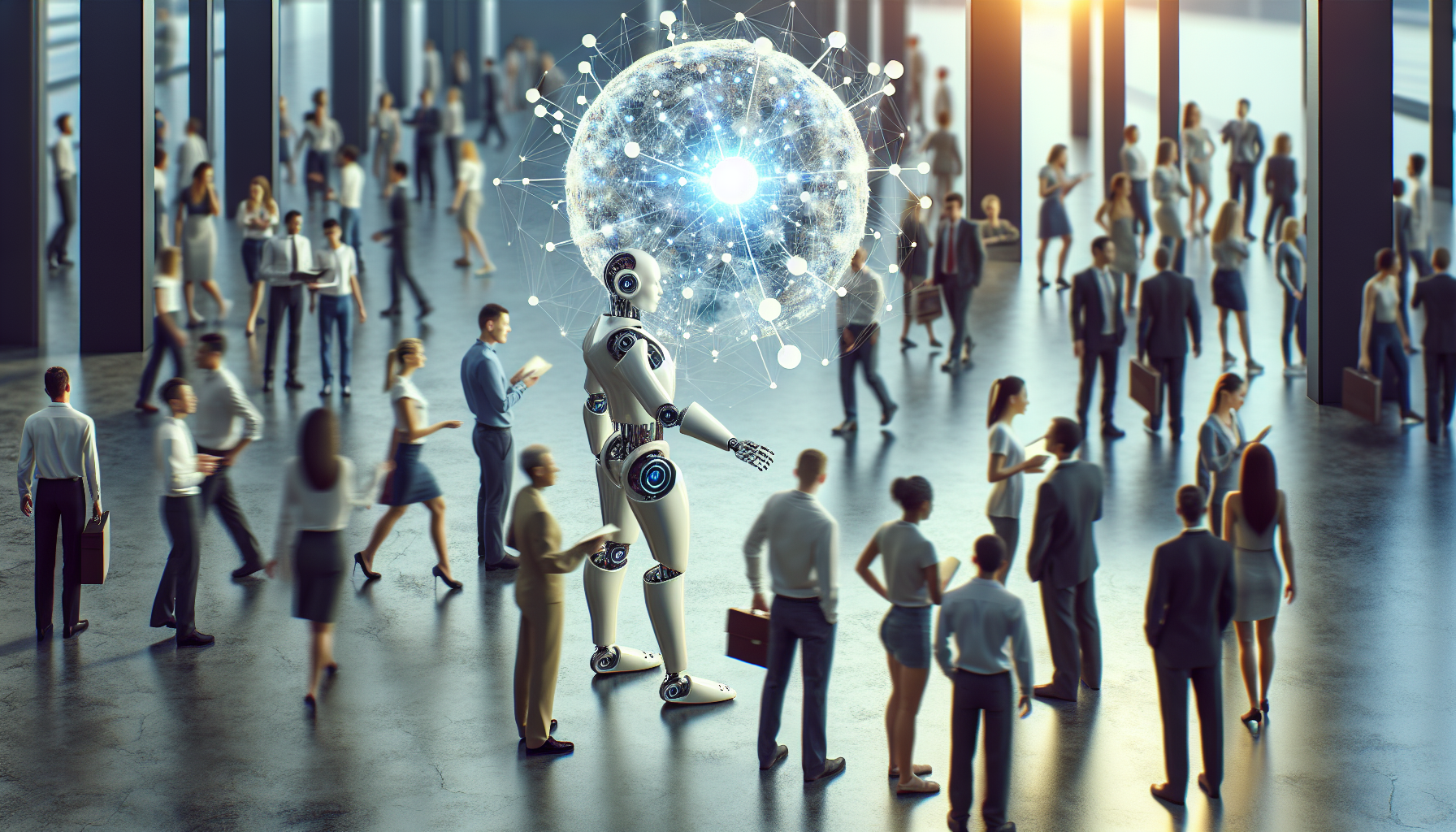
Yet, while the promise of AI-fueled prosperity is alluring, it comes with a complex undercurrent of job displacement. Automation threatens traditional roles, particularly those involving repetitive, routine tasks. The fear of machines supplanting human roles is not unfounded. However, to view AI as merely a job terminator is to overlook its potential as a job creator. History has shown us that technological advancements often herald new industries and opportunities. The rise of the internet, for instance, led to the creation of jobs that were inconceivable just a few decades ago.
AI, with its vast capabilities, holds a similar promise. New roles are emerging in the fields of AI ethics, data analysis, and machine learning oversight. These positions require a human touch—creativity, empathy, and ethical judgment—qualities that machines, no matter how advanced, cannot replicate. The challenge lies in equipping the current and future workforce with the skills necessary to thrive in this AI-enhanced environment.
Educational institutions and policymakers have a pivotal role to play in this transition. Curriculums must evolve to prioritize critical thinking, adaptability, and lifelong learning. There is also a pressing need for collaboration between governments, businesses, and educational bodies to create reskilling programs that are accessible and effective. Such initiatives are not merely a stopgap but a strategic investment in a future where human ingenuity and AI coexist symbiotically.
Beyond individual industries, AI's economic impact is felt on a macro scale, influencing national and global economies. Countries that embrace AI stand to gain a competitive edge, attracting investments and fostering innovation ecosystems. On the flip side, nations that lag in AI adoption risk economic stagnation and increased inequality. The digital divide, long a concern in the realm of internet access, takes on new dimensions in the age of AI. Bridging this gap is imperative to ensure equitable growth and prevent geopolitical tensions.
Moreover, the ethical considerations surrounding AI cannot be ignored. As machines increasingly influence economic outcomes, the question of accountability arises. Who is responsible when an AI system makes a decision that impacts livelihoods? Establishing frameworks for transparency and accountability is crucial in harnessing AI's potential while mitigating its risks.
In the corporate world, leaders face a moral imperative to deploy AI responsibly. This involves not just maximizing shareholder value but also considering the broader societal impact. Companies that prioritize ethical AI practices may find themselves at a competitive advantage, gaining consumer trust and loyalty in a landscape where reputation is everything.
As we stand on the precipice of an AI-driven economic revolution, the stakes are high. We must embrace the opportunities AI presents while conscientiously addressing the challenges it poses. The path forward is not a choice between growth and displacement but a commitment to navigating both with wisdom and foresight.
Will we rise to the occasion, using AI to craft a future where prosperity is shared and progress is sustainable? The answer to this question will shape not just our economies but the very fabric of our societies. As the dialogue around AI's economic impact continues, let us approach it with both ambition and responsibility, ensuring that this powerful tool serves humanity's best interests.