The Impact of AI on Education: Transforming Learning Through Personalized Experiences
February 13, 2026
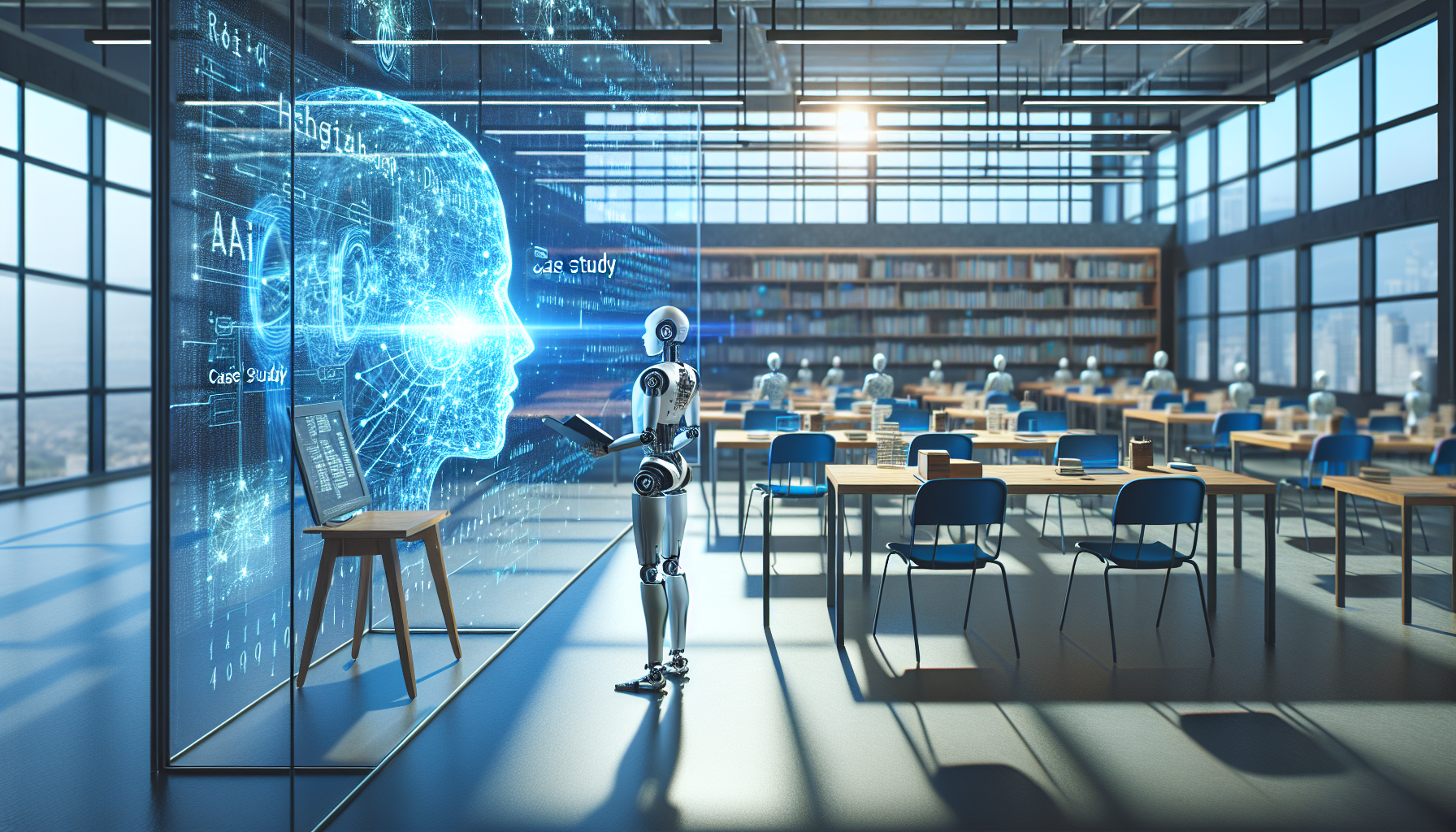
Imagine a classroom where each student receives a tailored learning experience, akin to having a personal tutor. This is the reality in some schools today, thanks to the transformative power of artificial intelligence. In this exploration, we'll dive into a case study showcasing how AI is reshaping education by creating personalized learning experiences.
Meet Lincoln Elementary School, a trailblazer in embracing AI to enhance student learning. Nestled in a suburban community, this school was searching for a solution to the age-old problem of catering to diverse learning needs. Enter Lumi, an AI-driven platform that analyzes students' progress, learning styles, and challenges in real-time.
When Lincoln Elementary first integrated Lumi into their classrooms, the teachers were intrigued but skeptical. Could a digital tool truly understand the nuances of each student's learning journey? Fast forward to today, and the results speak for themselves. Students who previously struggled with certain subjects are now thriving, and teachers are witnessing a newfound enthusiasm for learning.
How does Lumi work its magic? At its core, the platform uses machine learning algorithms to assess each student's performance and learning style. It then crafts a customized educational path, recommending specific resources, exercises, and even pacing adjustments. For example, while one student might benefit from interactive math games, another might excel with visual aids and step-by-step tutorials. This adaptability ensures that every student can engage with the material in the way that suits them best.
One of the most compelling aspects of AI in education is its ability to provide immediate feedback. In traditional settings, students often wait days, if not weeks, for their assignments to be graded and returned. Lumi, however, offers instant insights, allowing students to learn from their mistakes in real time. This immediate feedback loop not only boosts confidence but also encourages a growth mindset, where students see challenges as opportunities to improve.
Moreover, AI-driven platforms like Lumi empower teachers by freeing up their time. With administrative tasks and grading reduced, educators can focus on what truly matters: fostering a supportive and inspiring learning environment. Teachers at Lincoln Elementary have reported feeling more connected to their students, using the insights from Lumi to hold meaningful, one-on-one discussions about progress and goals.
However, the integration of AI in education isn't without its challenges. Privacy concerns loom large, as the collection and analysis of student data necessitate stringent safeguards to protect sensitive information. Schools must navigate these waters carefully, ensuring transparency with parents and students about data usage and security measures.
There's also the question of accessibility. While Lincoln Elementary's success story is inspiring, not all schools have the resources to adopt such technology. The digital divide is a real barrier, with underfunded schools at risk of falling further behind. To truly democratize education through AI, stakeholders must advocate for equitable access, ensuring that all students can benefit from these innovations.
Yet, despite these hurdles, the potential for AI to revolutionize education is undeniable. The case of Lincoln Elementary is just one example of how personalized learning experiences can transform students' academic journeys and reignite their passion for discovery.
As we contemplate the future of education, one can't help but wonder: What other possibilities might AI unlock in the realm of learning? Could we see a day where personalized AI tutors are available to every student, regardless of location or background? In our quest to create more inclusive and effective educational environments, these questions beckon us to continue exploring the untapped potential of artificial intelligence.
AI's journey in education is still unfolding, and while we're just scratching the surface, the lessons from Lincoln Elementary provide a glimpse into a future where learning is not just a one-size-fits-all endeavor but a uniquely tailored adventure for each and every student.