The Impact of AI on Education: How Personalized Learning Experiences Have Transformed Over Time
March 2, 2026
In a world where artificial intelligence is reshaping industries, its impact on education cannot be overstated. The promise of personalized learning—tailoring educational experiences to meet individual needs—has been a transformative journey, tracing its roots back to innovative teaching methods that predate the digital revolution. By examining this historical perspective, we can appreciate how AI is not just a futuristic concept but a continuation of a long-standing quest to enhance learning experiences.
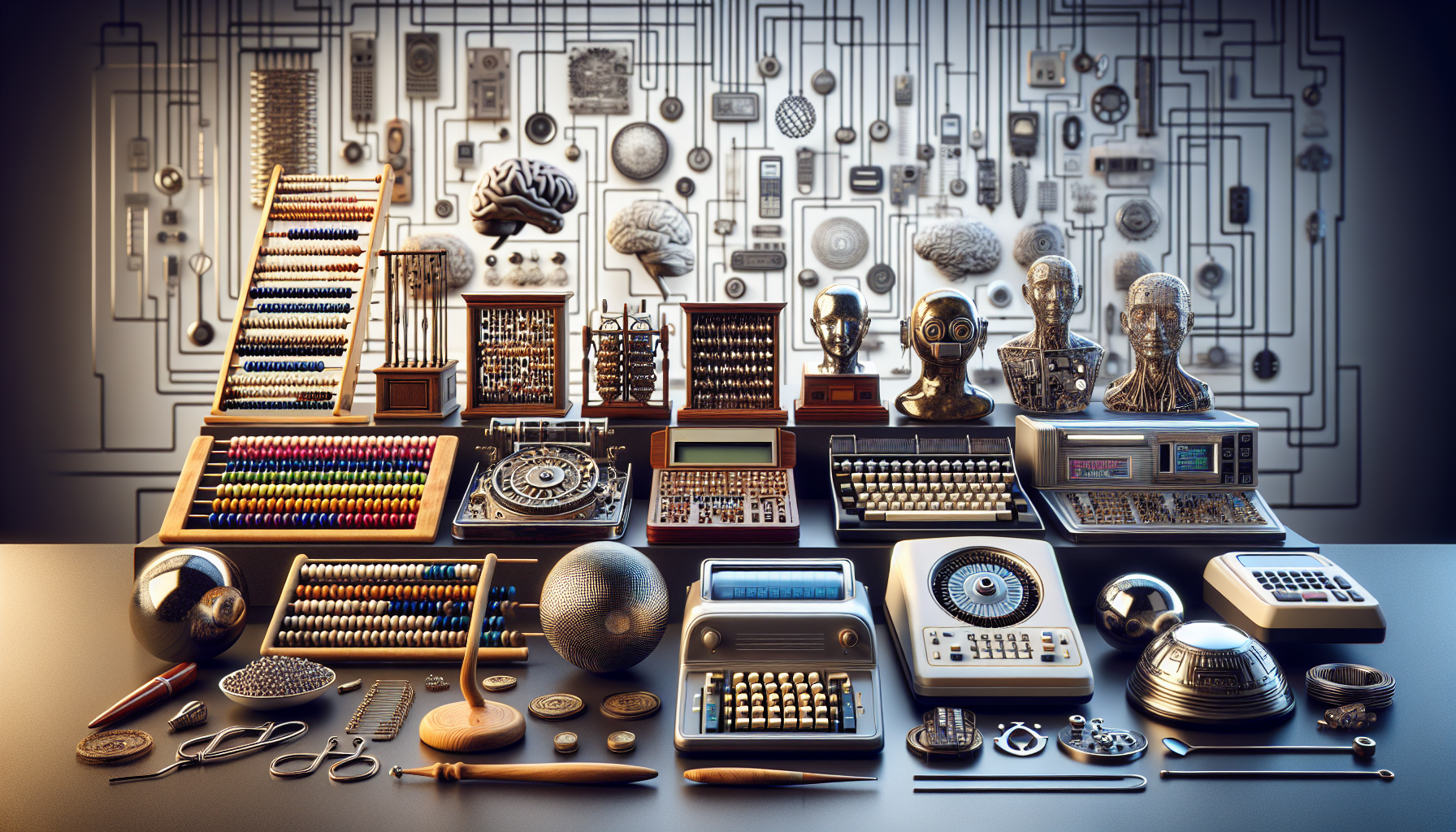
Decades ago, the notion of personalized education was limited to a teacher’s intuitive understanding of their students’ needs. Educators would often employ differentiated instruction, modifying lessons to accommodate varying learning styles and abilities. These early efforts laid the groundwork for what we now recognize as personalized learning. However, the scale and precision of customization that AI offers were beyond imagination at that time.
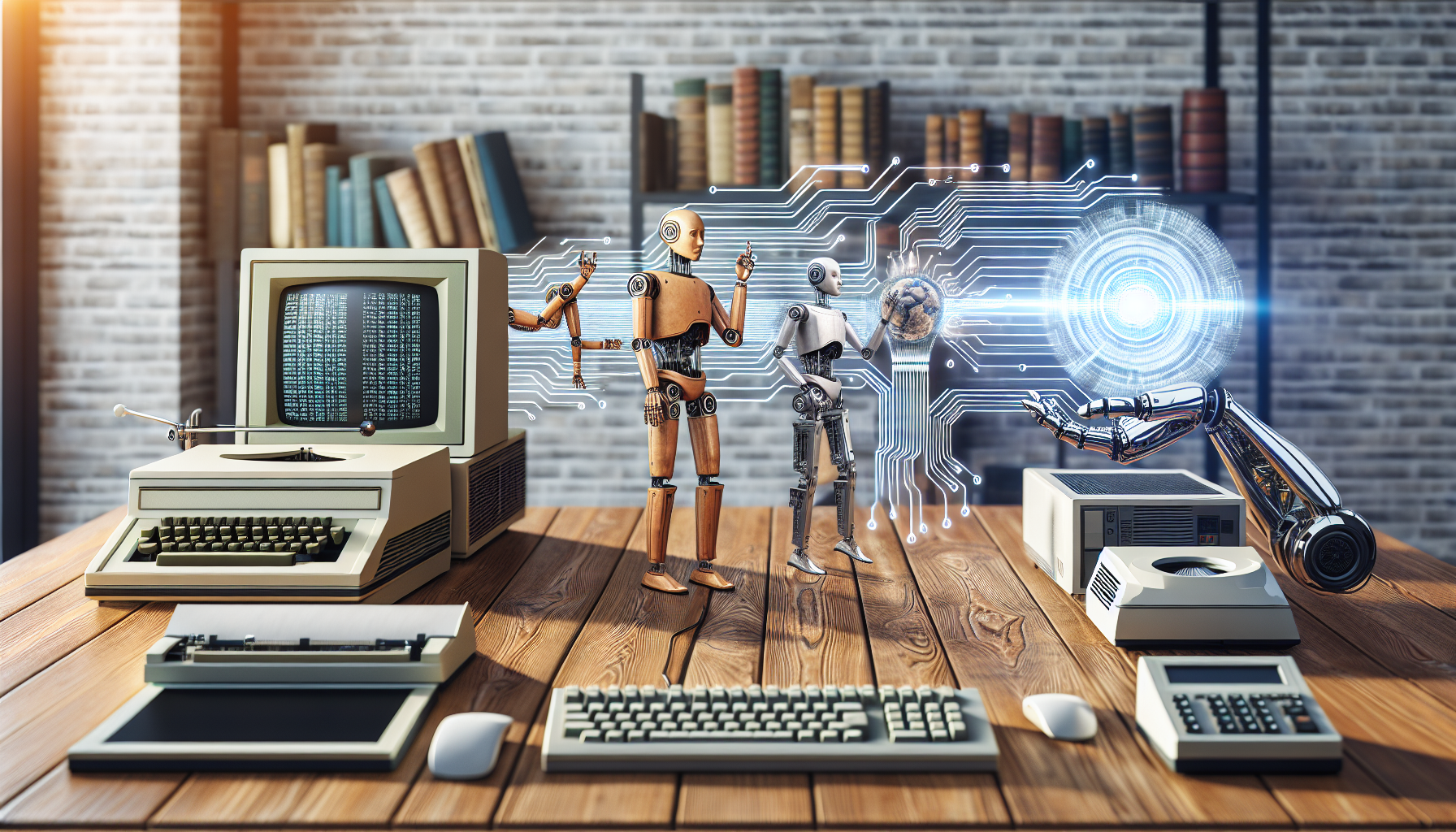
Fast forward to the digital age, and we witness the birth of educational technologies that began to automate and refine this personalization process. Learning management systems emerged, allowing educators to track student progress and adapt curricula accordingly. Yet, these systems were only as effective as the data inputted by humans; they lacked the robust analytical capabilities we associate with AI today.
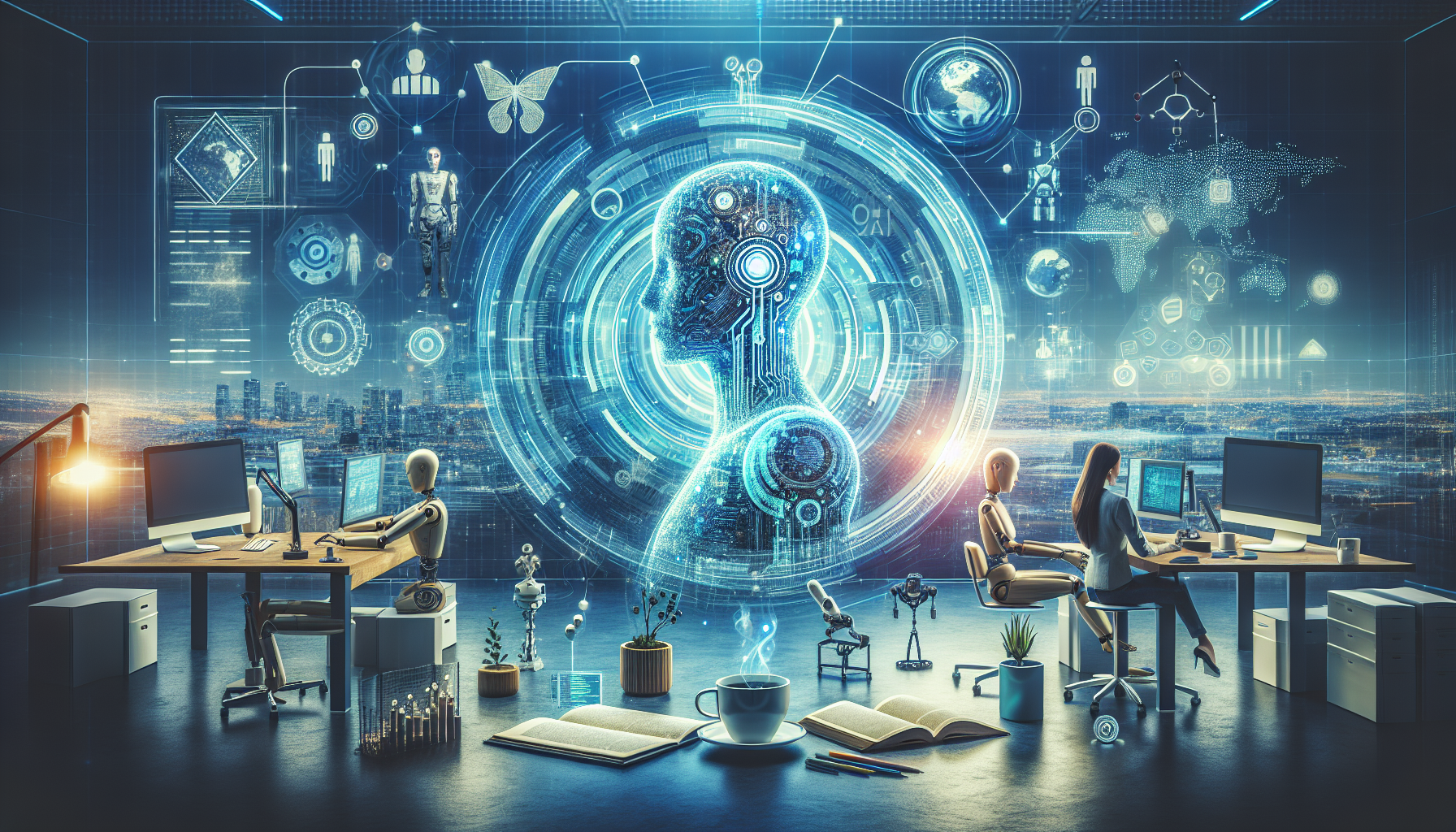
Enter artificial intelligence, a game-changer in the realm of education. AI's ability to process vast amounts of data with unparalleled speed and accuracy has revolutionized how personalized learning is implemented. Intelligent tutoring systems, powered by AI, can now provide real-time feedback, offering students a dynamic learning environment where they can learn at their own pace. This represents a significant departure from traditional one-size-fits-all educational models.
Consider the power of AI-driven adaptive learning platforms. These platforms analyze data from students’ interactions—such as response times, accuracy, and even engagement levels—to create a tailored educational experience. They can identify areas where a student struggles and adjust the curriculum to focus on those topics, ensuring that gaps in understanding are addressed promptly. This level of personalization was previously unattainable, limited by the constraints of human-led instruction.
Moreover, AI has introduced a level of inclusivity in education that was hard to achieve through conventional methods. Students with learning disabilities or those who require special accommodations benefit immensely from AI’s ability to customize learning experiences. By deploying speech recognition and natural language processing, AI tools can convert speech to text, offer text-to-speech functionalities, and even translate languages, breaking barriers for non-native speakers and those with auditory or visual impairments.
Critics may argue that reliance on AI could diminish the human element crucial to education. Yet, it’s essential to recognize that AI is not replacing educators but empowering them. Teachers are relieved from the administrative burdens of grading and monitoring, allowing them to focus on what they do best—mentoring and inspiring students. AI acts as an ally, providing insights that help educators understand their students better than ever before.
The historical journey of personalized learning underscores a critical truth: education must evolve to meet the demands of an ever-changing world. AI is a continuation of the educational innovations that have always sought to cater to individual learning needs. It builds upon the foundations laid by passionate educators who understood that each student is unique and deserving of a tailored educational experience.
As we stand on the cusp of further advancements, one must ponder the future implications of AI in education. What new possibilities will AI unlock for future generations? How will the role of educators evolve in an AI-powered educational landscape? These questions invite us to think critically about the balance between technology and human interaction in learning environments.
In embracing AI, we are not merely adopting a new tool; we are participating in a historical continuum of educational innovation. The impact of AI on personalized learning experiences is a testament to our collective aspiration to provide every learner with the opportunity to reach their fullest potential. As we continue to integrate AI into educational frameworks, the challenge and opportunity lie in ensuring that these technological advancements serve the diverse needs of all students, fostering a more inclusive and effective learning environment.