The Future of Art: How AI Challenges Creativity and Redefines Human Expression
March 24, 2026
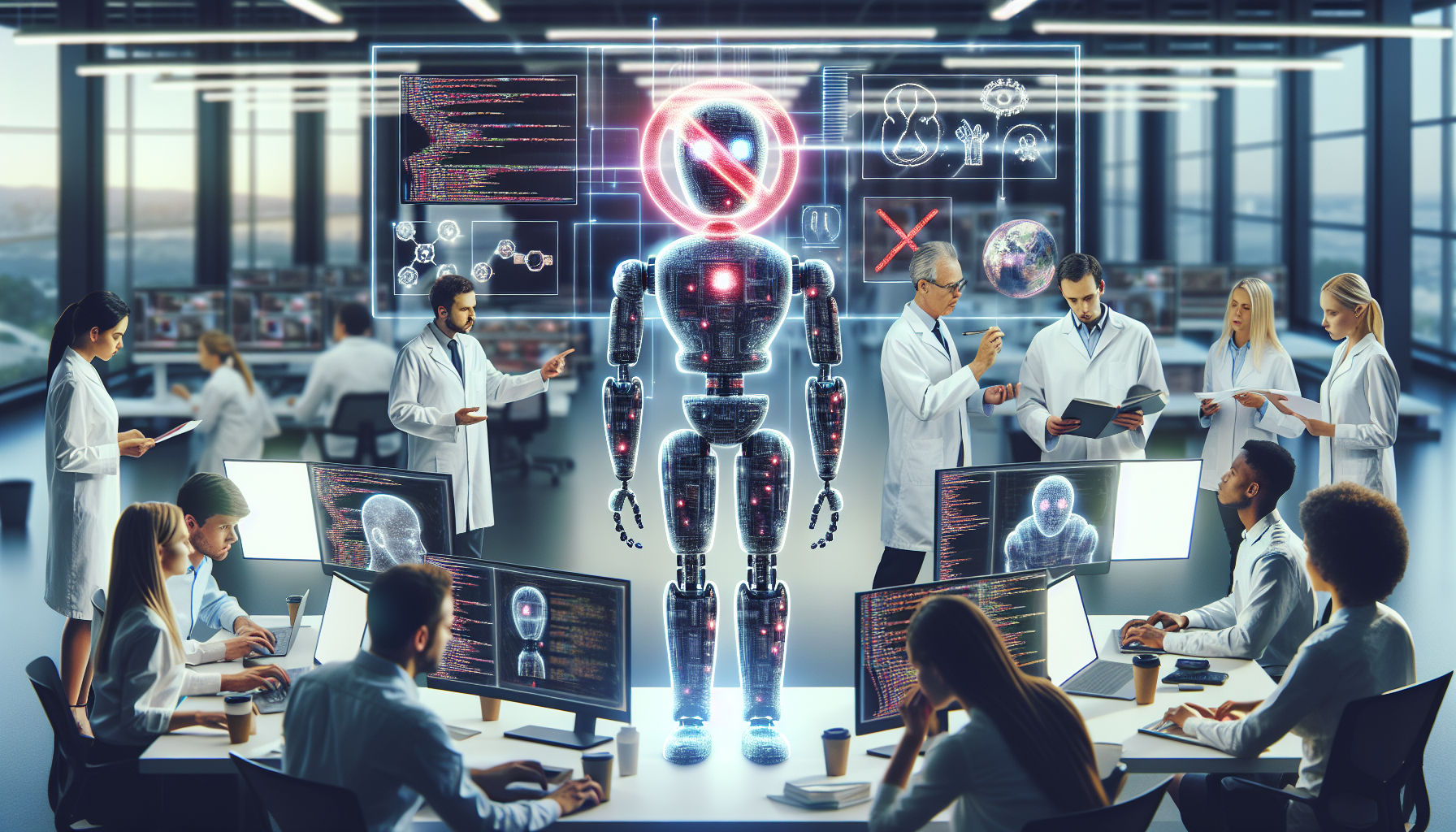
Artificial Intelligence is no longer just the stuff of science fiction, nor is it confined to the realm of automation and efficiency. It has infiltrated the world of art, stirring both excitement and apprehension. As AI becomes a more prominent tool in artistic creation, it raises questions about the future of creativity itself. Will AI redefine what it means to be an artist, or will it undermine the very essence of human expression?
AI's ability to mimic human creativity is both impressive and unsettling. Algorithms can now analyze vast datasets of existing artworks to generate new pieces that mimic human-created styles. From AI-generated paintings that sell for hefty sums at auction to music composed by neural networks, the capabilities of AI in the creative field are expanding rapidly. Yet, these advancements prompt critical reflection on the nature of creativity. Is the art created by AI genuine, or merely a sophisticated form of mimicry?
The potential for AI to democratize art is undeniable. By providing accessible tools that allow anyone to create visual, musical, or written content, AI could empower a broader range of voices. This technological opening raises the possibility of a more inclusive art world, where creativity is not limited by traditional skill barriers. However, this democratization could also flood the art market with a deluge of AI-generated content, potentially diluting the value of human-made art and blurring the lines of authenticity.
Art has always been a reflection of human experience, expressing emotions, thoughts, and cultural narratives. The question arises: can AI truly capture the depths of human emotion? Critics argue that AI lacks the lived experiences and emotional depth necessary to produce art that resonates on a profound level. While AI can analyze patterns and replicate styles, it does not experience the world, nor does it possess the empathy that often fuels human creativity. This limitation could result in art that is technically proficient but emotionally hollow.
The role of the artist is also evolving in the age of AI. Rather than replacing artists, AI is becoming a collaborator, an extension of the creative process. Artists are now tasked with curating and guiding AI technologies, shaping the algorithms to produce desired outcomes. This shift from creator to curator presents new challenges and opportunities. Artists must balance the use of AI with their unique vision, ensuring that their work remains a reflection of their personal expression rather than a mere product of algorithmic iteration.
Moreover, the rise of AI-generated art raises ethical considerations. Who owns the rights to AI-created works? Is it the developer of the algorithm, the user who directed its use, or the AI itself? The legal frameworks surrounding intellectual property are ill-equipped to handle the complexities introduced by AI. This ambiguity could lead to disputes and challenges as the art world grapples with the implications of machine creativity.
Looking ahead, the influence of AI on art and creativity could reshape educational landscapes. As AI tools become more integrated into artistic practices, art education may need to evolve to include technical skills alongside traditional methods. Understanding algorithms and machine learning could become as essential for future artists as mastering brush techniques or musical scales. This shift could redefine the skill set required to succeed in creative fields, emphasizing adaptability and technological literacy.
Despite the challenges AI presents, it also offers exciting possibilities for innovation. By pushing the boundaries of what is possible, AI can inspire artists to explore new directions and experiment with novel forms. The fusion of machine intelligence with human creativity might lead to unprecedented artistic breakthroughs, expanding the horizons of what art can achieve.
As we consider the future of art in the age of AI, we must grapple with the tension between technological advancement and the preservation of human creativity. Will AI ultimately enhance the creative process, or will it render human artists obsolete? The answers to these questions will shape the cultural landscape of tomorrow. In navigating these uncertain waters, we are called to reflect on what we value in art and creativity, and how technology can serve rather than overshadow these ideals. Is the future of art one of collaboration, or will it become a battleground for the soul of human expression?