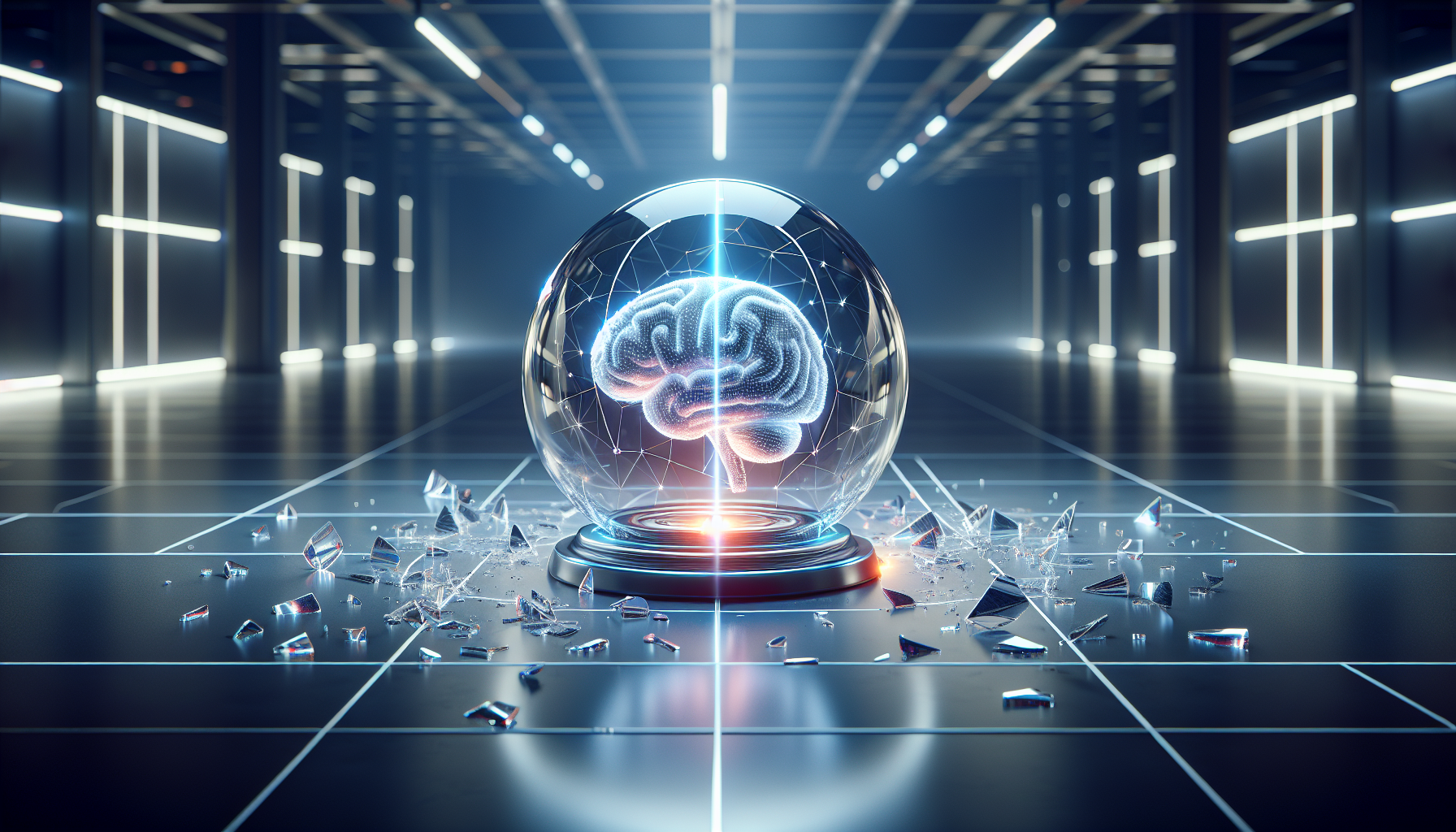
The Evolution of Artificial Intelligence: Dispelling the Myths and Facing Reality
January 25, 2026
Artificial intelligence, often romanticized as the cornerstone of futuristic fantasies, has evolved from a theoretical concept into a tangible force reshaping our world. Yet, despite its growing presence in daily life, misconceptions about AI's capabilities and limitations abound. By examining these myths critically, we can better understand what AI truly is—and what it is not.
One of the most persistent myths is that AI will inevitably surpass human intelligence, leading to scenarios where machines dominate their creators. This notion, while thrilling to ponder, is fundamentally flawed. AI, in its current form, excels at pattern recognition and processing large volumes of data but lacks the nuanced understanding and emotional intelligence inherent in human cognition. The idea of AI developing consciousness or self-awareness remains firmly in the realm of science fiction.
AI's decision-making processes, often perceived as infallible, are also a breeding ground for misconceptions. While AI systems can analyze data at speeds unmatched by humans, they are only as good as the algorithms and data sets they are trained on. Biases within these data sets can lead to skewed outcomes, highlighting the critical role human oversight plays in AI deployment. The myth of AI impartiality overlooks the subtleties of algorithmic bias and the complex ethical considerations at play.
The fear that AI will decimate the job market is another common misconception. While it's undeniable that AI and automation are transforming industries, the narrative that machines will wholly replace human workers oversimplifies the situation. Instead, AI is more likely to augment human capabilities, creating new roles that require the unique combination of human creativity and technological efficiency. The challenge lies in preparing the workforce for this transition, a task that demands foresight and adaptability from educational systems and policymakers alike.
Contrary to the belief that AI development is a monolithic effort led solely by tech giants, the reality is far more decentralized. Open-source platforms and collaborative research initiatives have democratized AI innovation, allowing startups and academic institutions to make significant contributions. This widespread participation fosters a more diverse and dynamic field, challenging the myth that AI is controlled by a select few. However, this also means that regulatory frameworks must evolve to keep pace with rapid advancements and ensure responsible AI use.
The myth of AI as an all-powerful, standalone entity also overlooks the importance of interdisciplinary collaboration. Achieving meaningful progress in AI development requires integrating insights from fields such as psychology, ethics, and sociology. This holistic approach ensures that AI systems are not only technologically robust but also socially and ethically aligned with human values.
Despite these clarifications, the hype surrounding AI persists, driven in part by sensationalist media coverage and exaggerated claims by some industry leaders. This can lead to unrealistic expectations and, ultimately, disillusionment. A more measured narrative that emphasizes AI's genuine capabilities and limitations would benefit both public understanding and policy-making.
Furthermore, the myth of AI as a neutral tool ignores the geopolitical dimensions of its development and deployment. Nations are increasingly investing in AI to gain economic and strategic advantages, raising concerns about global power dynamics and the potential for AI-enhanced military capabilities. This underscores the necessity of international cooperation and dialogue to navigate the complex ethical and security implications of AI technology.
As AI continues to evolve, it is crucial to separate fact from fiction. By dispelling myths and critically examining the realities of AI, we can foster a more informed discourse that guides responsible innovation. What, then, does the future hold for AI? Perhaps the most pressing question is not whether machines will surpass humans, but how we will choose to integrate these powerful tools into the fabric of society. How can we harness AI's potential to address humanity's greatest challenges while safeguarding against its misuse? These are the questions that demand our attention as we venture further into the age of artificial intelligence.