Natural Language Processing: The Cutting Edge of AI's Linguistic Capabilities
April 20, 2026
Natural Language Processing (NLP) represents one of the most intriguing and complex areas of artificial intelligence, focusing on the interaction between computers and human language. This branch of AI seeks to enable machines to understand, interpret, and generate human language in a manner that is both meaningful and contextually relevant. As AI technologies grow more sophisticated, NLP continues to evolve, driving forward the capabilities of machines to engage in human-like communication.
At its core, NLP is about converting unstructured linguistic data into a structured form that computers can process. This involves several layers of complexity, from syntactic parsing and semantic understanding to context-awareness and pragmatic analysis. The journey of NLP from rudimentary keyword-based systems to today's advanced context-aware algorithms has been nothing short of revolutionary.
A major advancement in NLP technology has been the development of transformer-based models. These models, like the well-known GPT models, have transformed the landscape by enabling the processing of vast amounts of textual data. They utilize mechanisms such as attention and self-attention to weigh the significance of different words in a sentence, thereby improving the contextual understanding of language. This allows the models to generate text that is not only coherent but also contextually appropriate, a significant leap from earlier models that struggled with maintaining context over longer passages.
Another pivotal trend within NLP is the focus on multilingual models. With the global diversity of languages, developing systems that can understand and generate text across multiple languages has become a priority. Multilingual NLP models aim to break down linguistic barriers, allowing seamless communication across different language speakers. These models leverage shared linguistic patterns among languages, reducing the need for training separate models for each language and thus optimizing computational resources.
The realm of sentiment analysis also exemplifies the growing sophistication of NLP. Sentiment analysis involves the evaluation of text to determine the emotional tone behind words. This is crucial in fields like social media monitoring, customer feedback analysis, and market research. Advanced NLP algorithms now delve deeper into the nuances of language, capturing subtleties such as sarcasm and irony, which were once challenging for machines to comprehend.
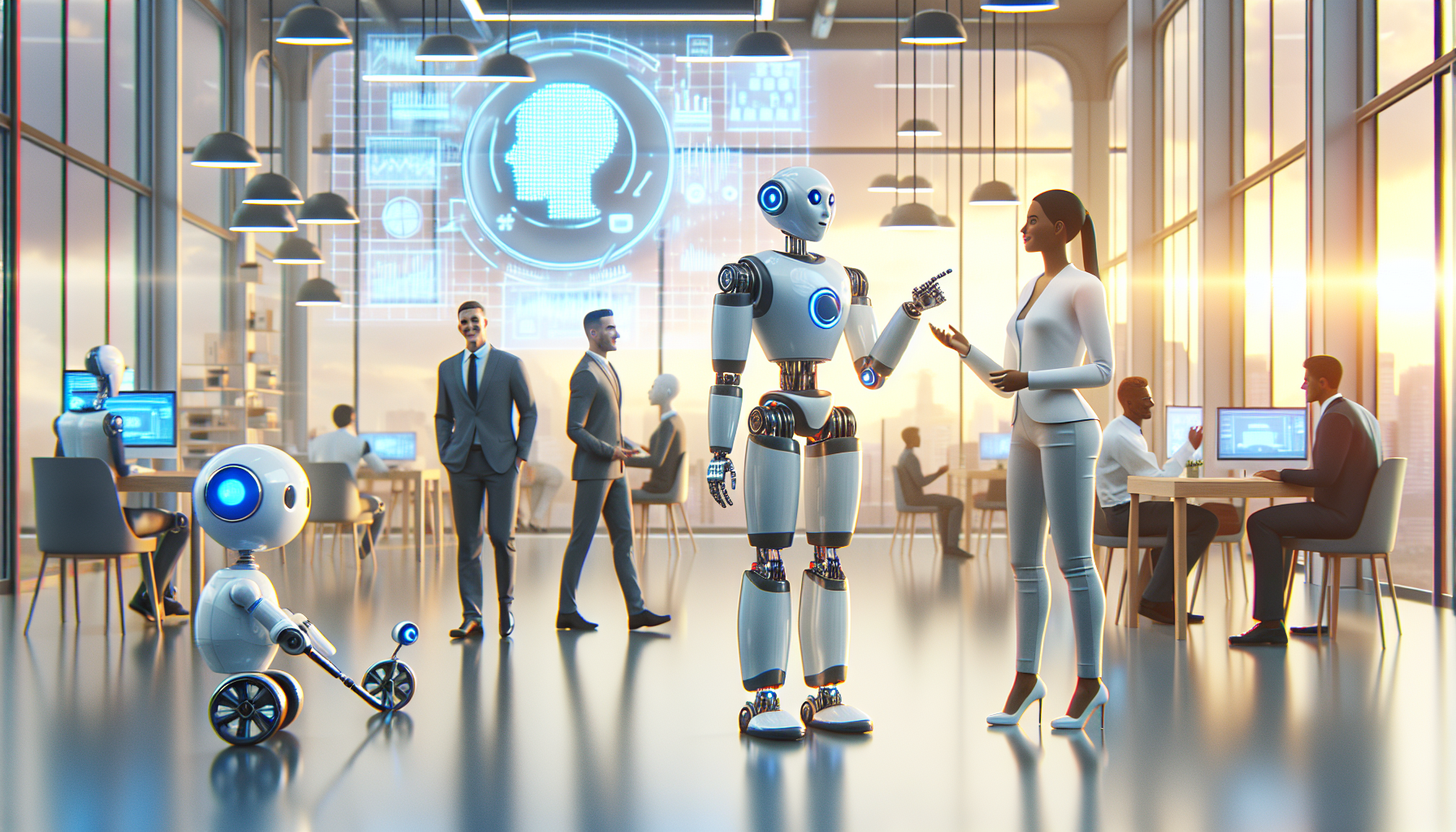
Moreover, conversational AI, powered by NLP, is redefining human-computer interaction. Virtual assistants and chatbots are becoming more ubiquitous and intelligent, capable of handling complex queries and performing tasks with a human-like touch. These systems employ natural language understanding (NLU) to interpret user inputs and natural language generation (NLG) to formulate responses, thereby creating a more interactive and engaging user experience.
Despite these advancements, challenges remain. Language is inherently complex and context-dependent, with nuances that can vary widely between cultures and even individuals. Ensuring that AI systems can reliably interpret these subtleties is an ongoing challenge. Bias in language models is another significant concern. Since these models are trained on vast datasets that reflect human biases, they can inadvertently perpetuate these biases if not carefully managed. Researchers are actively working on techniques to mitigate such biases, aiming for more equitable AI systems.
Furthermore, the ethical implications of NLP technologies are a subject of intense debate. As AI systems become more adept at mimicking human language, the potential for misuse—such as generating fake news or deepfake text—grows. Establishing robust frameworks for ethical AI development and deployment is essential to harnessing the benefits of NLP while safeguarding against potential harms.
The future of NLP is likely to see even greater integration with other AI domains. For instance, combining NLP with computer vision could lead to advancements in multimodal AI systems that understand and interpret information across text, images, and videos. Additionally, continuous improvements in computational power and algorithmic techniques will likely propel NLP to new heights, enabling even more nuanced and sophisticated language processing capabilities.
As natural language processing continues to advance, it raises fundamental questions about the nature of language and communication. How close can machines get to truly understanding human intent and meaning? What does it mean for AI systems to "understand" language in a way that is comparable to human comprehension? These questions invite further exploration, challenging our perceptions and pushing the boundaries of what is possible with artificial intelligence.