Machine Learning vs. Deep Learning: Navigating the AI Frontier Through Case Studies
February 26, 2025
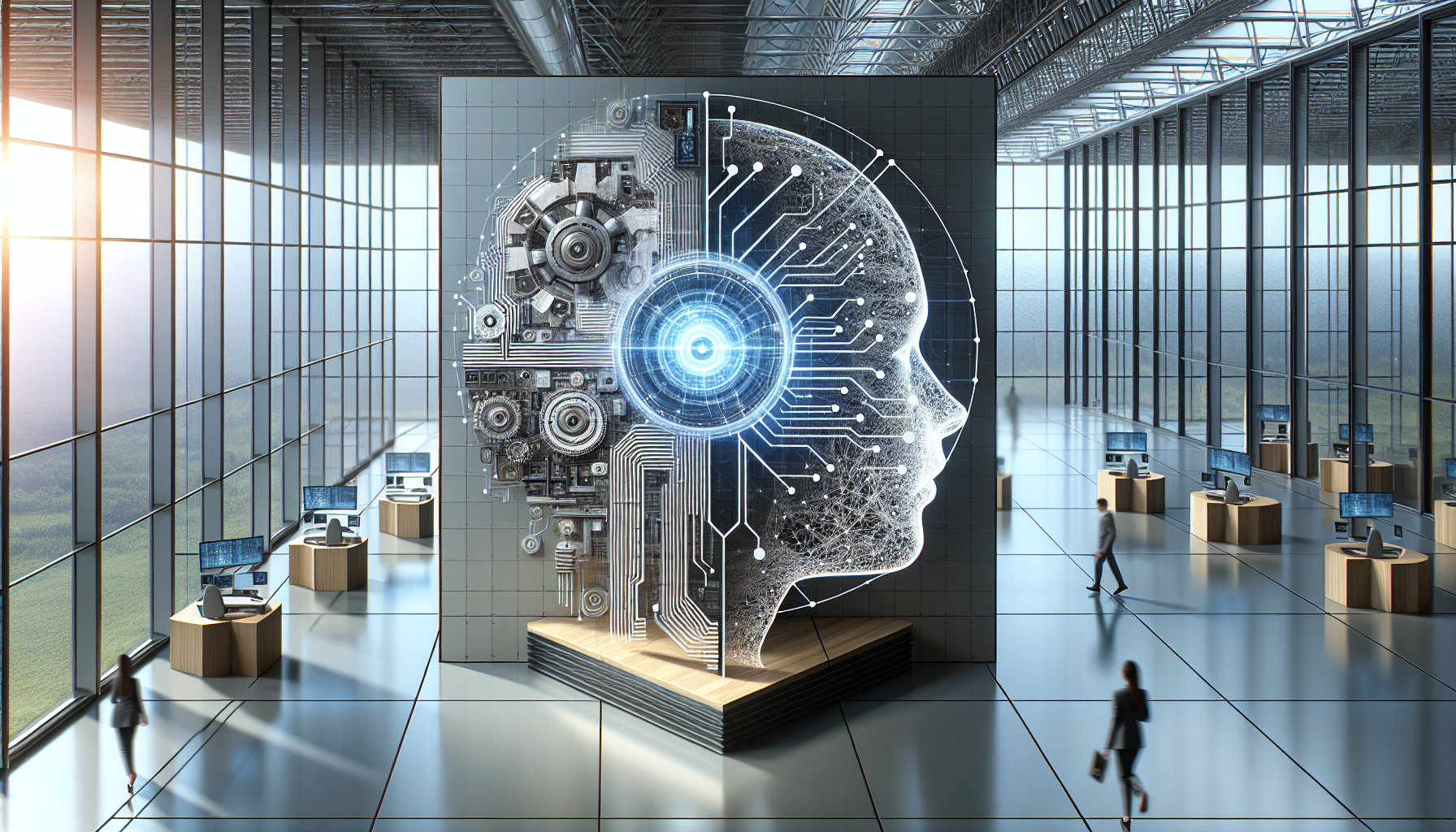
In the bustling corridors of modern technology, artificial intelligence stands as a beacon of innovation, promising to reshape industries and redefine possibilities. Central to this revolution are machine learning and deep learning, two powerful paradigms often mentioned in tandem yet distinct in operation and application. Understanding the nuanced differences between these two approaches is not merely academic; it has real-world implications, as demonstrated by compelling case studies that highlight their unique strengths and optimal use cases.
Consider the case of a healthcare provider aiming to enhance diagnostic accuracy. Machine learning, with its ability to analyze structured data through algorithms like decision trees and support vector machines, offers a straightforward approach. Typically, this involves feeding the system vast amounts of labeled data to recognize patterns and make predictions. In this scenario, machine learning algorithms might excel in processing patient records, identifying correlations between symptoms and diagnoses, and offering predictive insights into patient outcomes.
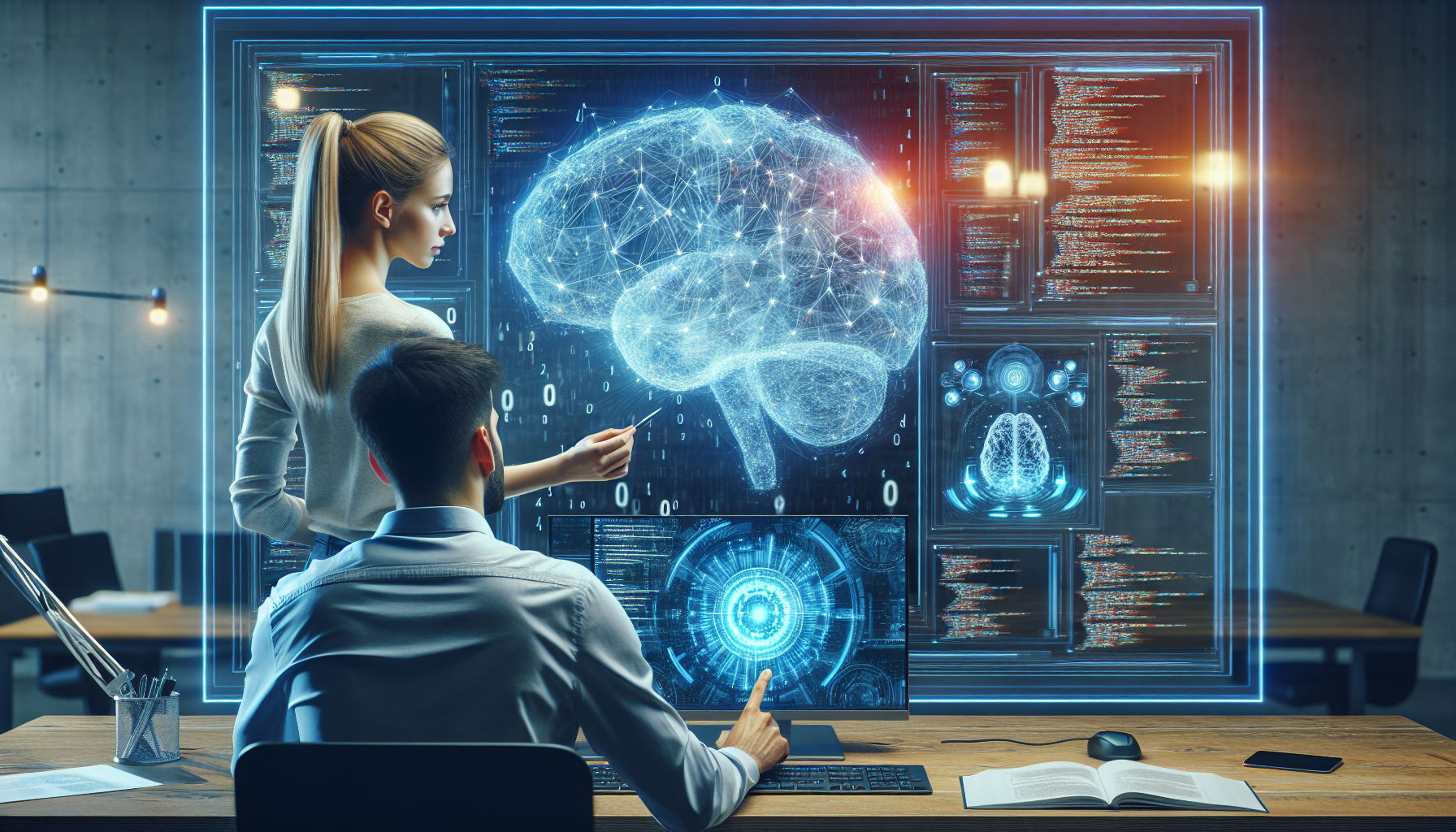
However, when the task involves complex image recognition, such as detecting anomalies in medical imaging, deep learning emerges as the superior choice. Deep learning, a subset of machine learning, utilizes neural networks with multiple layers—hence the term "deep"—to model complex patterns. This approach mimics the neural architecture of the human brain, enabling systems to autonomously learn from unstructured data like images and sound. In our healthcare example, deep learning algorithms can analyze thousands of MRI scans to identify subtle signs of disease that might elude even seasoned professionals.
The distinction between these methodologies is not merely technical but strategic. For instance, a financial institution seeking to streamline its fraud detection processes could leverage machine learning to analyze transactional data, flagging anomalies with impressive speed and accuracy. Yet, for tasks requiring a deeper understanding and interpretation of complex data, such as sentiment analysis in customer feedback, deep learning offers a more sophisticated toolkit.
A striking illustration of this is evident in natural language processing (NLP). When a company like OpenAI develops language models, deep learning is pivotal. These models can generate human-like text, understand context, and even engage in coherent conversation, abilities that are largely beyond the scope of traditional machine learning techniques. The intricacies of language, with its nuances and variability, are effectively captured by deep learning’s ability to process vast amounts of unstructured data.
Despite their differences, machine learning and deep learning are not mutually exclusive; they are complementary forces driving AI innovation. Businesses can harness both, selecting the right tool for each specific challenge. A tech company developing a voice-activated assistant might use machine learning to process user commands efficiently while relying on deep learning to improve the assistant’s language comprehension capabilities.
The decision between machine learning and deep learning is not merely a technical choice but a strategic one that impacts the effectiveness and efficiency of AI applications. As companies strive to remain competitive, understanding when to apply each method can lead to substantial advantages. For instance, a logistics company could use machine learning to optimize delivery routes and reduce costs, while employing deep learning to predict maintenance needs for its fleet, thereby minimizing downtime.
As we navigate this AI frontier, these case studies underscore the importance of aligning technology choice with business goals. Machine learning and deep learning each offer unique strengths that, when applied judiciously, can transform industries and elevate human capabilities. They are not just tools but catalysts for innovation, enabling us to solve complex problems with unprecedented precision and insight.
In contemplating the future of AI, we must ask ourselves: How can these technologies be leveraged not only to advance industry but also to enhance society? As we continue to harness the power of machine learning and deep learning, the possibilities are boundless, limited only by our imagination and our willingness to push the boundaries of what is possible.