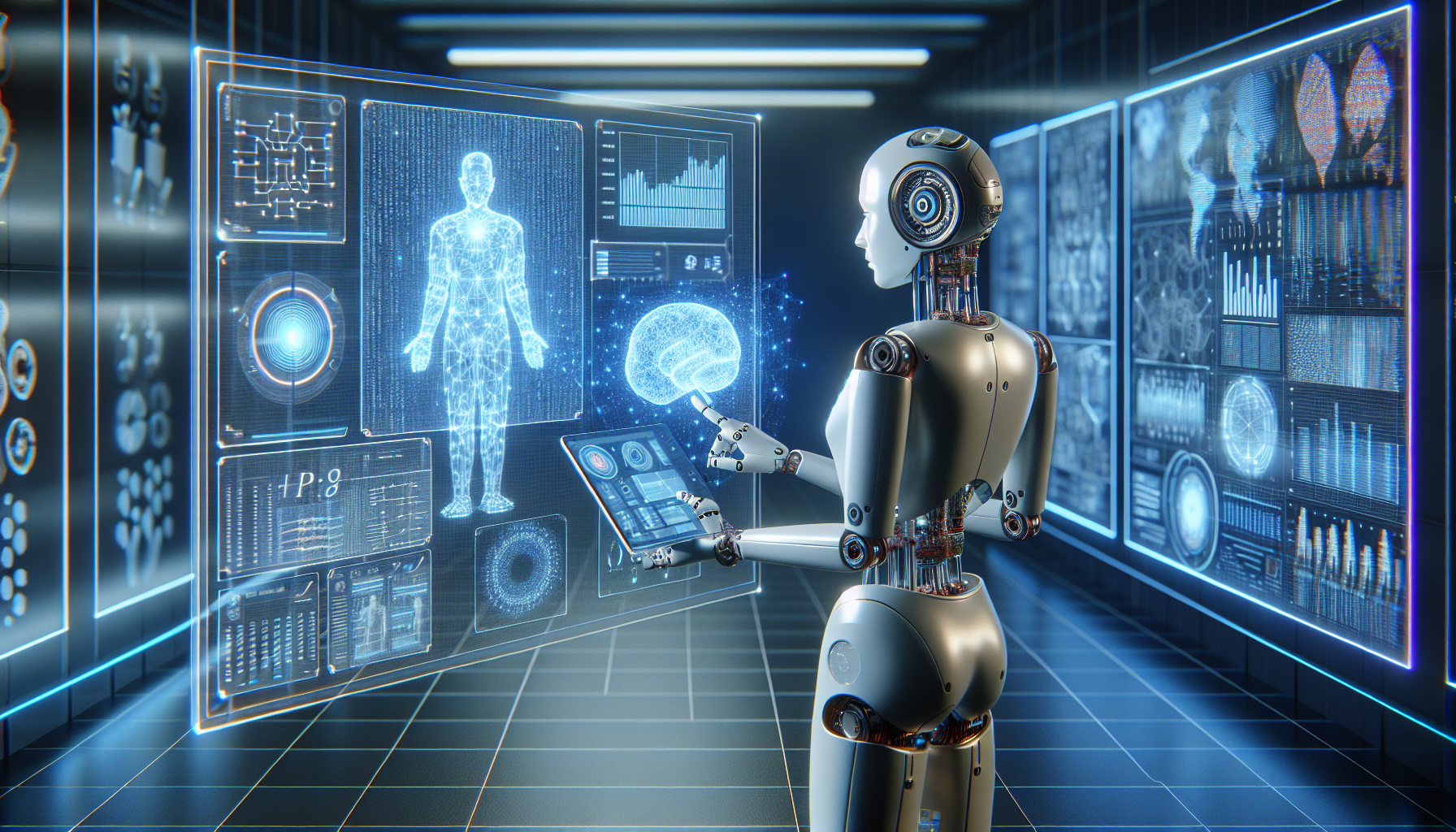
Harnessing the Power of AI: A Technical Guide to Developing Smart Cities
December 18, 2025
Artificial intelligence is revolutionizing the concept of smart cities, transforming urban landscapes into efficient, sustainable, and responsive environments. This how-to guide examines the technical aspects of integrating AI into city infrastructure, offering insights into its role in creating smart cities that are not only more livable but also economically and environmentally sustainable.
The integration of AI into urban systems begins with data collection. Smart cities are heavily reliant on vast amounts of data generated from various sources, including sensors, cameras, and IoT devices. These data points are critical for understanding city dynamics — from traffic patterns to energy consumption. AI algorithms process and analyze this data to provide actionable insights, enabling city planners to make informed decisions.
For effective data management, cities must establish robust data architectures. This involves creating a centralized data platform that can handle the influx of information from diverse sources. Such platforms must ensure data integrity, security, and privacy. Employing AI in data management allows for real-time processing and anomaly detection, which can prevent potential issues such as data breaches or system failures.
Traffic management is one of the most visible applications of AI in smart cities. AI-driven systems can predict traffic congestion and suggest alternative routes, reducing commute times and lowering carbon emissions. These systems rely on machine learning models that analyze traffic patterns, weather conditions, and historical data to optimize traffic flow. Additionally, AI can integrate with autonomous vehicles, enhancing their ability to navigate complex urban environments safely.
Energy management is another critical area where AI can make a significant impact. Smart grids powered by AI can balance energy supply and demand more efficiently. AI algorithms predict energy consumption patterns and suggest optimizations, such as dynamically adjusting street lighting or managing the operation of public transportation systems. This not only reduces energy waste but also lowers operational costs for city governments.
AI also plays a vital role in enhancing public safety. Predictive policing models use data analysis to anticipate potential crime hotspots, allowing law enforcement to allocate resources more effectively. Surveillance systems equipped with AI can detect unusual activities or behaviors, providing real-time alerts to security personnel. This proactive approach helps in maintaining public order and safety.
Furthermore, AI contributes to environmental sustainability in smart cities. By analyzing data from environmental sensors, AI can monitor air and water quality, noise levels, and waste management. This information enables cities to implement measures that reduce pollution and promote a healthier urban environment. AI-driven initiatives such as smart waste bins that signal when they are full can optimize waste collection routes, decreasing emissions from collection vehicles.
To successfully implement AI in smart cities, a collaborative approach is necessary. Public and private sectors need to work together to develop AI solutions tailored to urban challenges. This collaboration can foster innovation and provide the necessary funding and technological expertise. Moreover, engaging with citizens through participatory platforms can ensure that AI deployments align with community needs and values.
Despite the numerous benefits, deploying AI in smart cities presents challenges. Data privacy is a significant concern, as the extensive use of sensors and surveillance can infringe on individual privacy rights. It is crucial to establish regulations that protect citizen data while allowing for the effective use of AI technologies. Additionally, there is a need for transparency in AI algorithms to build public trust and ensure accountability.
The development of AI in smart cities is an ongoing process that requires continuous evaluation and adaptation. As technology evolves, cities must be agile in adopting new AI solutions that enhance urban living. This dynamic approach will enable cities to remain at the forefront of innovation, providing their citizens with improved quality of life.
In what ways can AI further redefine the urban experience? By exploring the potential of AI beyond current applications, cities can uncover new opportunities for growth and development. As we advance into a future where technology is deeply embedded in our daily lives, the role of AI in smart cities will undoubtedly continue to expand, offering endless possibilities for reimagining urban living.