Cognitive Computing: Charting the Course for AI's Future
January 18, 2026
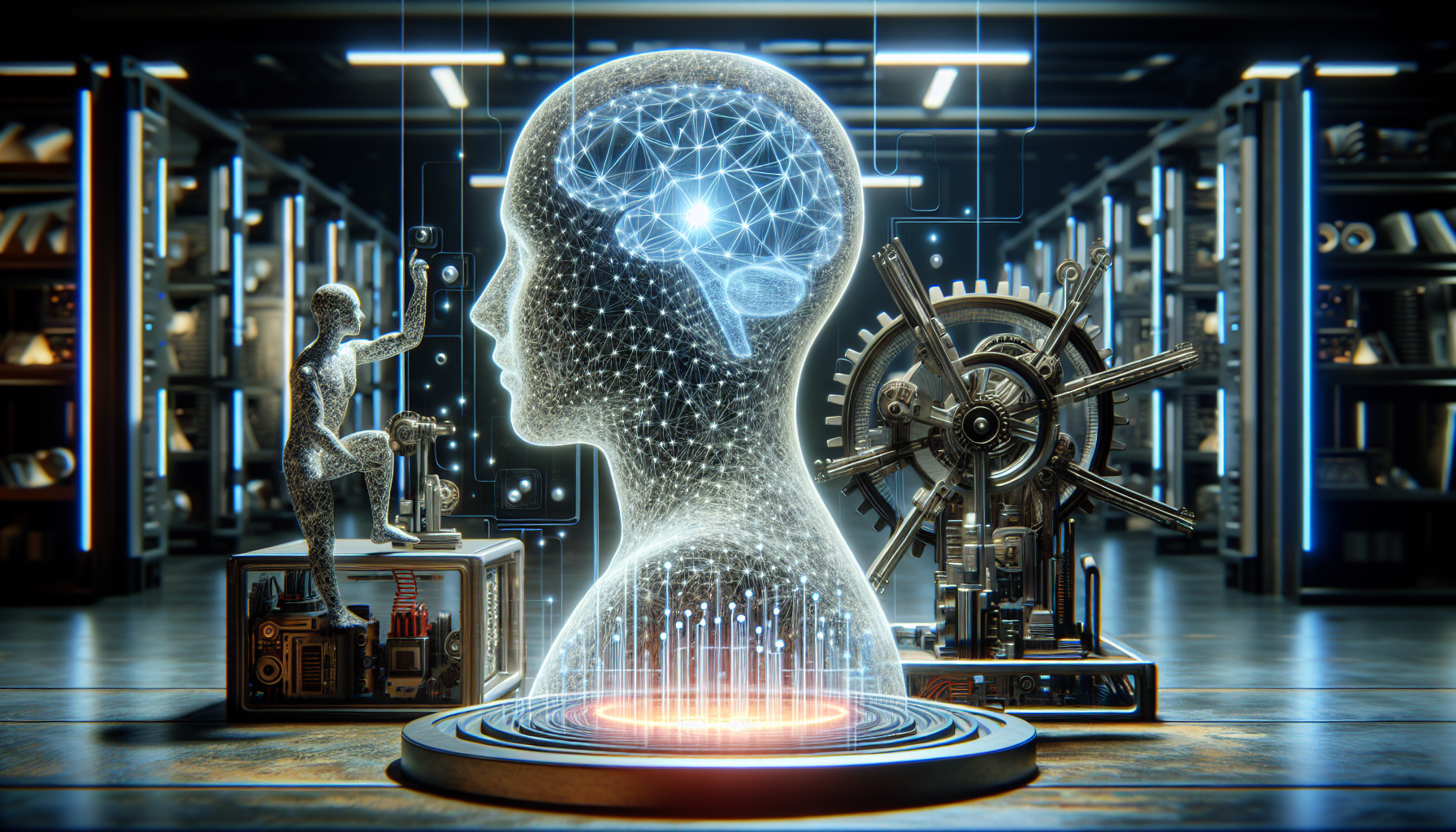
Artificial Intelligence has long been a subject of fascination and debate. As it continues to develop, one area that promises to redefine the landscape is cognitive computing. This innovative field, characterized by its ability to simulate human thought processes, stands as the next frontier in AI.
Cognitive computing goes beyond mere data processing; it aspires to mimic the way humans reason, understand, and learn. This technology is not just about creating smarter machines but about building systems that can intuitively interact with humans and adapt to new information and environments. The potential applications of this technology are vast and transformative, from healthcare to finance, and its implications are profound.
The essence of cognitive computing lies in its ability to process and analyze vast amounts of unstructured data. While traditional AI systems rely on pre-programmed rules and structured data, cognitive systems can understand natural language, recognize patterns, and even generate hypotheses. Consider the impact on the medical field: cognitive systems could analyze medical journals, patient histories, and clinical data to aid doctors in diagnosing illnesses more accurately and efficiently than ever before.
However, the true innovation of cognitive computing is not just its technical prowess but its capacity to augment human capabilities. Unlike conventional AI, which often replaces human tasks, cognitive computing is designed to enhance human decision-making. It acts as an assistant, offering insights and recommendations that empower individuals to make more informed choices. This symbiotic relationship between human and machine is where cognitive computing truly shines.
Despite its promise, cognitive computing is not without challenges. One significant hurdle is the complexity of human cognition itself. Simulating the intricacies of human thought remains a formidable task. Cognitive systems must not only process data but also interpret context, navigate ambiguity, and understand nuanced human emotions. These are capabilities that are still in their nascent stages.
Moreover, the ethical considerations surrounding cognitive computing cannot be ignored. As these systems become more autonomous, questions about accountability and trust emerge. If a cognitive system provides erroneous advice that leads to negative outcomes, who is responsible? The developers, the users, or the system itself? These are questions that scholars, ethicists, and policymakers must grapple with as cognitive computing advances.
Additionally, the integration of cognitive computing into everyday life raises concerns about privacy and data security. As these systems require vast amounts of personal data to function effectively, safeguarding this information becomes paramount. The challenge lies in balancing the benefits of cognitive computing with the protection of individual rights.
Yet, it is important to recognize that the evolution of cognitive computing is not just a technical challenge but a societal one. It calls for a paradigm shift in how we view machines and their role in our lives. As cognitive systems become more prevalent, society must adapt to this new reality, developing the skills and frameworks necessary to coexist and collaborate with these intelligent systems.
In light of these developments, it is crucial to consider the broader implications of cognitive computing. How will this technology reshape our understanding of intelligence and creativity? As machines become more capable, will our definition of what it means to be human evolve? These questions underscore the transformative potential of cognitive computing and its capacity to redefine the boundaries of human-machine interaction.
The path forward is both exciting and daunting. Cognitive computing holds the promise of revolutionizing industries and improving the human condition. However, it demands careful consideration, ethical stewardship, and a commitment to leveraging technology for the greater good. As we stand on the brink of this new frontier, the challenge lies in navigating the complexities of cognitive computing while ensuring that its benefits are realized equitably across society.
In contemplating the future of cognitive computing, one must ask: Are we prepared to embrace a world where machines not only think but also understand? As we venture into this uncharted territory, the answers to these questions will shape the trajectory of artificial intelligence and its role in our lives. The journey promises to be as enlightening as it is unprecedented, and its impact will be felt for generations to come.