Artificial Intelligence and the New Renaissance: Transforming Art and Creativity
April 10, 2026
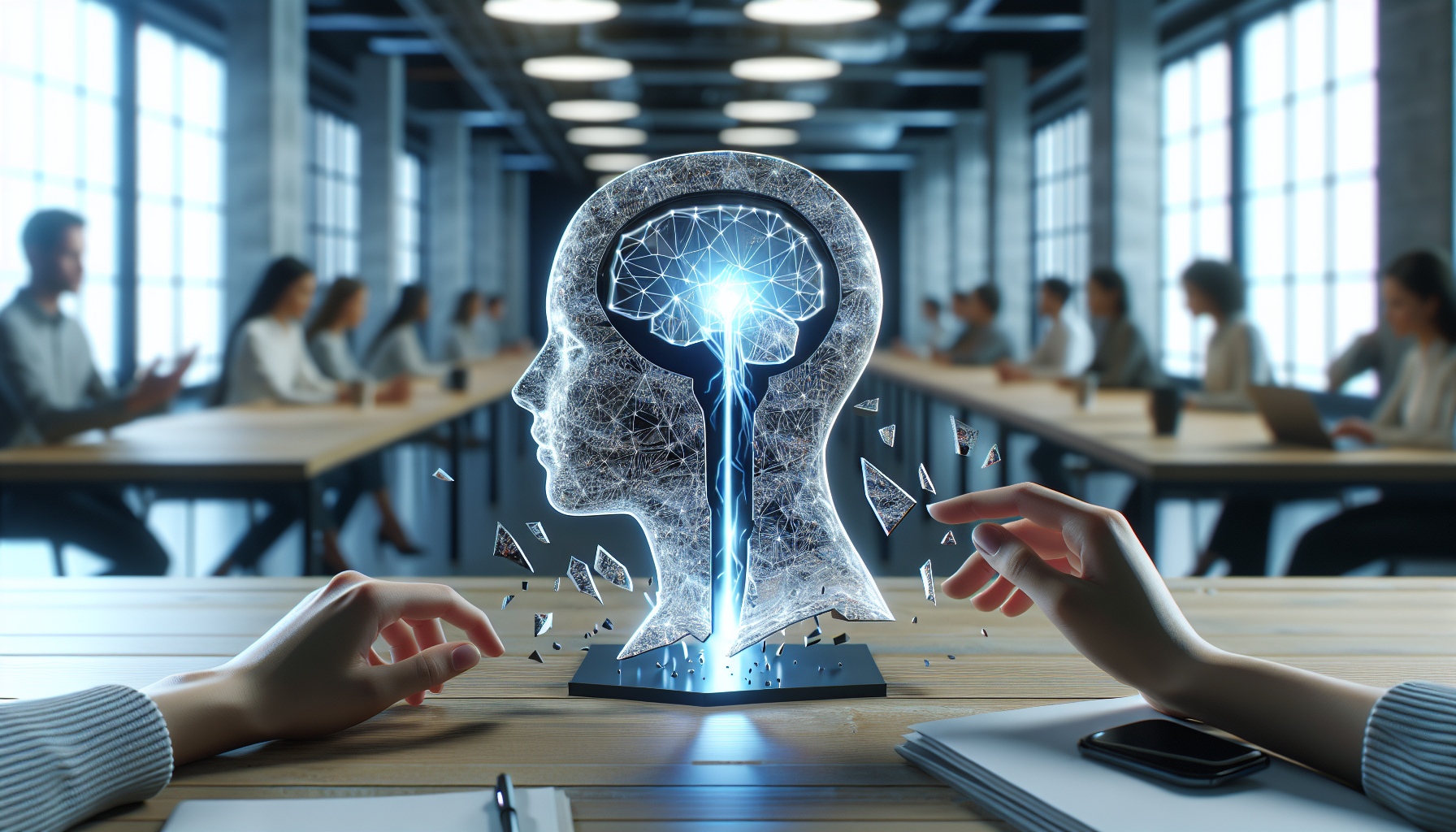
Artificial intelligence, a transformative force across numerous industries, is increasingly reshaping art and creativity. Far from being confined to the realms of science and technology, AI is now a potent catalyst in the evolution of artistic expression and creative processes. This new intersection of technology and art is not only redefining how art is created but also challenging our perceptions of creativity itself.
At the heart of this development is the ability of AI to generate artworks, music, and literature autonomously. Neural networks, particularly Generative Adversarial Networks (GANs), have showcased remarkable capabilities in producing images and music that, at first glance, might seem to be the work of human artists. These AI systems are trained on vast datasets, learning patterns, styles, and techniques that allow them to create original pieces that are often indistinguishable from those crafted by human hands. This capability raises intriguing questions about authorship and originality in the art world.
One of the lesser-known facets of AI's influence on art is its role as a collaborator rather than a creator. Artists are increasingly using AI as a tool to augment their creativity, generating new inspirations and expanding their artistic boundaries. This symbiotic relationship allows artists to explore new textures, forms, and concepts that might be challenging to achieve through traditional methods. By delegating certain tasks to AI, artists can focus their creative energies on refining and enhancing their unique vision.
Moreover, AI's analytical capabilities provide artists with new insights into their work. Algorithms can analyze vast amounts of data to identify trends and preferences, offering artists a deeper understanding of their audience's tastes and expectations. This data-driven approach can guide artists in making informed decisions about their creative direction and marketing strategies, bridging the gap between artistic expression and audience engagement.
The democratization of art through AI is another significant trend. AI technologies are making art creation more accessible to a broader audience, including those without formal training in art or music. User-friendly platforms powered by AI enable individuals to create digital art, compose music, or write poetry with minimal technical expertise. This accessibility opens new avenues for self-expression and allows a more diverse range of voices and perspectives to emerge in the art world.
However, the integration of AI into art and creativity also poses challenges and ethical considerations. As AI-generated art becomes more prevalent, questions arise about the value and authenticity of these works. Can art produced by machines evoke the same emotional response as that created by humans? Do these digital creations hold the same cultural significance? These are compelling questions that provoke debate among artists, technologists, and critics alike.
Furthermore, the use of AI in art raises concerns about intellectual property rights and the potential for algorithmic bias. Who owns the rights to a piece generated by an AI system? If an AI is trained on biased data, could it inadvertently perpetuate stereotypes or cultural insensitivities in its creations? Addressing these issues requires thoughtful consideration and the development of new frameworks to ensure that AI-driven art is ethically produced and fairly attributed.
As AI continues to influence art and creativity, it prompts a reevaluation of the very concept of creativity. Traditionally viewed as a uniquely human trait, creativity is now being redefined in the context of human-machine collaboration. This shift challenges us to reconsider our understanding of what it means to be creative and how we perceive the role of technology in our creative processes.
In conclusion, the impact of artificial intelligence on art and creativity is profound and multifaceted. It is transforming how art is created, experienced, and consumed while challenging long-held notions about creativity and authorship. As this technological renaissance unfolds, it invites us to explore the dynamic interplay between human ingenuity and machine intelligence. What new forms of art and expression might emerge from this collaboration, and how will they shape our cultural landscape? The answers to these questions will undoubtedly continue to captivate and inspire artists and audiences alike.