AI in Retail: A Journey from Concept to Customer Experience Revolution
February 17, 2026
Once upon a time, the idea of machines learning and adapting to human behavior was the stuff of science fiction. Today, artificial intelligence in retail is as real and transformative as the technology that powers it. The retail sector, often a barometer for technological innovation, has been reshaped by AI, not just in how businesses operate but in how they engage with their most important asset: the customer.
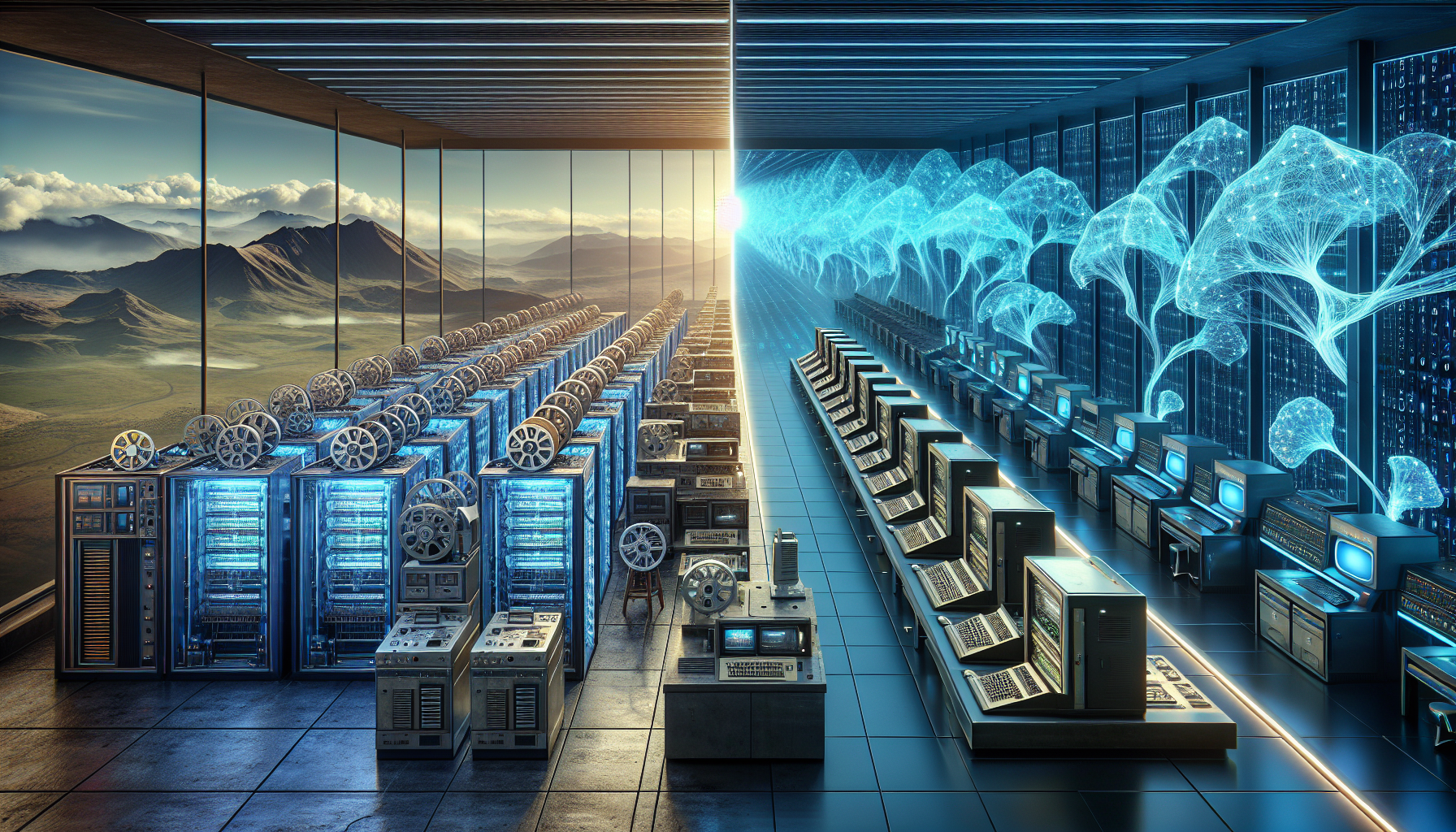
The journey of AI in retail is a fascinating narrative of ambition and imagination meeting practical necessity. Long before algorithms could predict buying patterns, retailers relied on instinct and experience to forecast demand and personalize customer interactions. These traditional methods, while effective up to a point, were limited by the sheer volume of data and the pace at which consumer preferences evolved. This is where AI began to write its own story.
The early introduction of AI in retail was marked by the implementation of basic automation and data analysis tools. These technologies enabled retailers to streamline inventory management and improve supply chain efficiency. However, the true revolution began when machine learning algorithms were introduced, allowing retailers to analyze vast amounts of data with unprecedented speed and accuracy. This capability transformed mundane data into actionable insights, enabling a more nuanced understanding of consumer behavior.
A pivotal moment in this evolution was the realization that AI could not only enhance operational efficiency but also revolutionize the customer experience. Retailers began to see the potential for AI to create personalized shopping experiences tailored to individual preferences. This shift was inspired by a desire to move beyond the one-size-fits-all approach, recognizing that each customer’s journey is unique.
Imagine walking into a store where every product display seems tailored to your taste, every recommendation feels like it was made just for you, and every interaction is seamless and intuitive. AI makes this possible by leveraging data to understand and anticipate your needs. Through sophisticated algorithms, retailers can now offer personalized recommendations, dynamic pricing, and targeted marketing campaigns that resonate with consumers on a personal level.
Moreover, AI has enabled the rise of virtual assistants and chatbots, providing customers with instant support and guidance. These intelligent systems are capable of understanding natural language, answering queries, and even assisting with purchases. As a result, the customer service experience has been elevated to new heights, with AI providing the kind of personalized attention that was once the hallmark of high-end retail.
But beyond the technical achievements, the story of AI in retail is one of human ingenuity and creativity. It is a testament to our ability to harness technology in ways that enhance human experiences. By embracing AI, retailers have not only improved their bottom line but also fostered deeper connections with their customers.
As AI continues to evolve, the possibilities for its application in retail are boundless. We are on the cusp of an era where virtual and augmented reality, powered by AI, could redefine the way we shop. Imagine trying on clothes virtually, experiencing products in a simulated environment, or receiving real-time fashion advice from a virtual stylist. These advancements could transform retail experiences into immersive, interactive journeys.
This historical perspective on AI in retail is a reminder of how far we have come and how much potential lies ahead. It invites us to imagine a future where technology continues to blur the lines between the digital and physical worlds, creating new opportunities for engagement and innovation.
In reflecting on this journey, one might ponder: as AI continues to carve its path through the retail landscape, how will it further redefine our understanding of customer experience? Will we see a future where technology and humanity are seamlessly intertwined, each enhancing the other? The answers lie in the continued exploration and adoption of AI, a journey that promises to be as exciting and transformative as the innovations it brings.