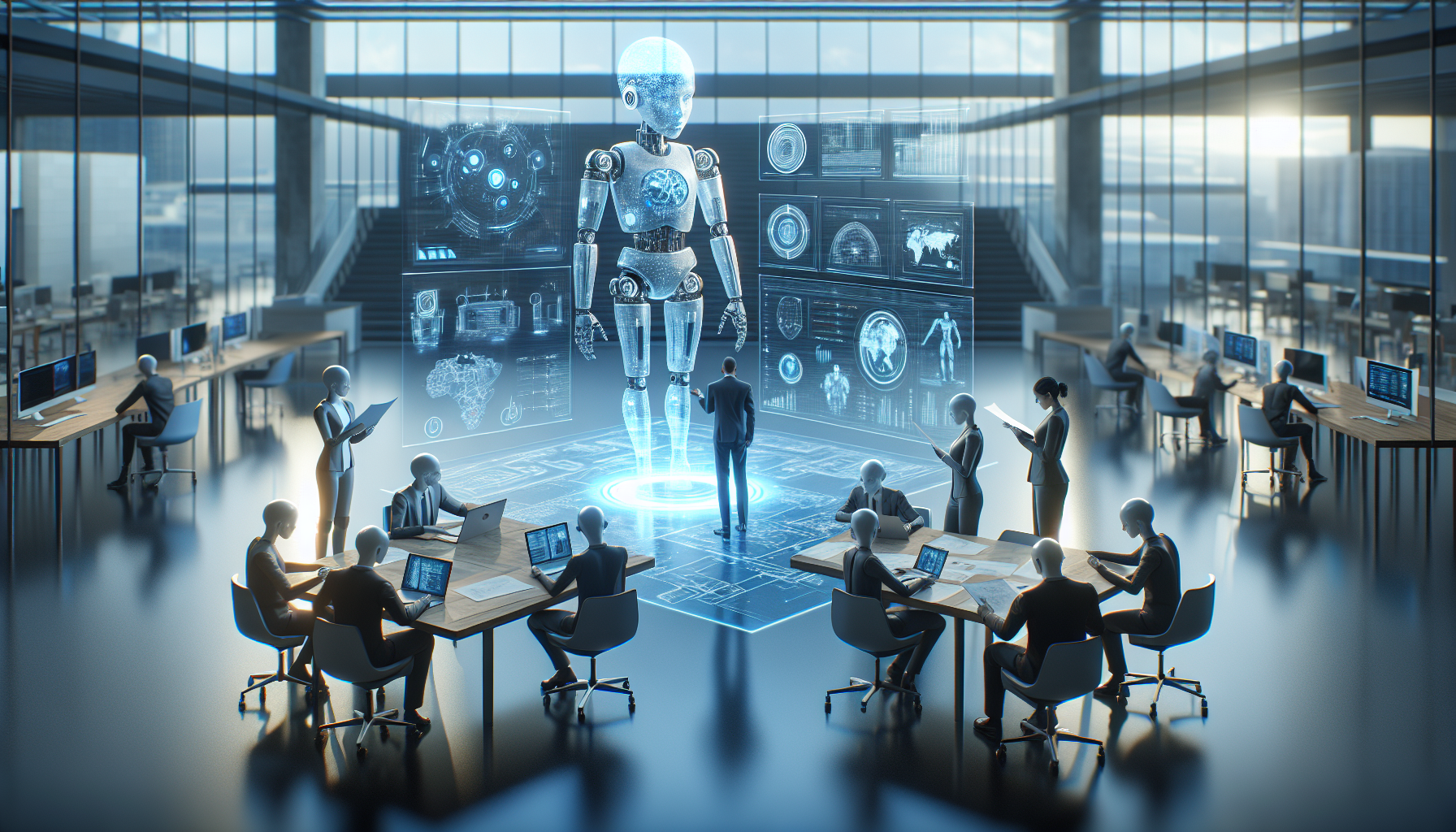
AI in Crisis Management: How Technology Transforms Natural Disaster Response
September 25, 2025
In the aftermath of a catastrophic natural disaster, chaos and uncertainty often reign supreme. Amidst the rubble, the unsung heroes are not only the first responders but also the cutting-edge technologies that enable them to act swiftly and effectively. Artificial Intelligence (AI) is emerging as a transformative force in crisis management, offering innovative solutions to enhance response efforts and save lives.
Consider the devastating hurricane that tore through an island nation, leaving devastation in its wake. It was a scene of despair, where traditional communication networks were obliterated, and the fate of countless individuals hung in balance. Here, AI stepped into the fray, illustrating its potential to redefine disaster response.
One of the most striking examples of AI in action was the deployment of drones equipped with AI-driven image recognition software. These drones, able to fly over vast and inaccessible terrains, provided real-time data to emergency teams. The AI analyzed the images captured, identifying individuals in need of rescue, assessing damage to infrastructure, and pinpointing areas where resources were most urgently required. This real-time intelligence was critical, enabling responders to prioritize their efforts and allocate resources where they were most needed.
Moreover, AI-powered predictive analytics played a crucial role in anticipating the hurricane's path and potential impact zones. By processing vast amounts of meteorological data, AI models offered precise predictions that allowed authorities to implement pre-emptive evacuations and prepare emergency services in advance. This foresight was instrumental in minimizing casualties and ensuring a more organized response.
Natural disasters often amplify the challenges of logistics and resource management. Here, AI demonstrated its extraordinary capacity to optimize supply chains and coordinate relief efforts. An AI-driven logistics system was employed to manage the distribution of food, medical supplies, and shelter materials. By analyzing patterns in demand and supply, the system ensured that aid reached even the most remote communities, avoiding bottlenecks that could slow down relief operations.
Communication, a critical component during emergencies, also saw a significant boost from AI technologies. In the absence of traditional networks, AI-enabled chatbots emerged as a lifeline for affected individuals. These chatbots, accessible via any device with internet capability, provided real-time information on safety procedures, shelters, and assistance options. They also facilitated communication between families, offering solace and reassurance in a time of distress.
Furthermore, AI's role extended beyond immediate response efforts. In the aftermath of the disaster, AI-assisted reconstruction efforts were set in motion. Machine learning algorithms analyzed the extent of damage to infrastructure and proposed optimal rebuilding strategies. By examining patterns from previous disasters, AI offered insights into constructing more resilient structures, reducing the risk of future devastation.
This case study exemplifies the profound impact AI can have on crisis management. It underscores the technology's ability not only to enhance operational efficiency but also to inspire hope and resilience in communities facing adversity. The integration of AI in disaster response efforts represents a paradigm shift, where technology and humanity collaborate in unprecedented ways to overcome challenges.
As inspiring as these advancements are, they also raise important questions about the future of AI in crisis management. How can we ensure that AI technologies are accessible to all nations, regardless of their economic standing? What ethical considerations must be addressed as AI takes on increasingly critical roles in life-and-death situations? These are the questions that beckon exploration as we continue to harness the power of AI for the greater good.
By reimagining the boundaries of what is possible, AI in crisis management offers a testament to human ingenuity and the relentless pursuit of solutions that save lives and restore hope. As we look to the future, we are reminded that in the face of nature's fury, the combination of technology and compassion can illuminate a path toward recovery and resilience.