AI Apocalypse: Will Robots Steal Our Jobs-or Just Our Sanity?
April 17, 2026
Picture this: You’re sitting in your living room, having a heated debate with your smart fridge about whether ice cream is a valid dinner choice. It’s not science fiction. It’s the not-so-distant future, where artificial intelligence has not only infiltrated our lives but also our minds, reshaping human behavior in ways that would make even the most seasoned psychologist raise an eyebrow.
As AI systems become more sophisticated, they are not just enhancing our daily lives with convenience and efficiency. They are also poking and prodding at the very fabric of our mental well-being. Some experts predict that our future will look like a quirky sitcom where humans are the bumbling protagonists constantly outsmarted by their digital counterparts. But what does this mean for our sanity? Let’s dive into the psychological effects that AI might have on our behavior and take a look at some future predictions that are equal parts fascinating and absurdly humorous.
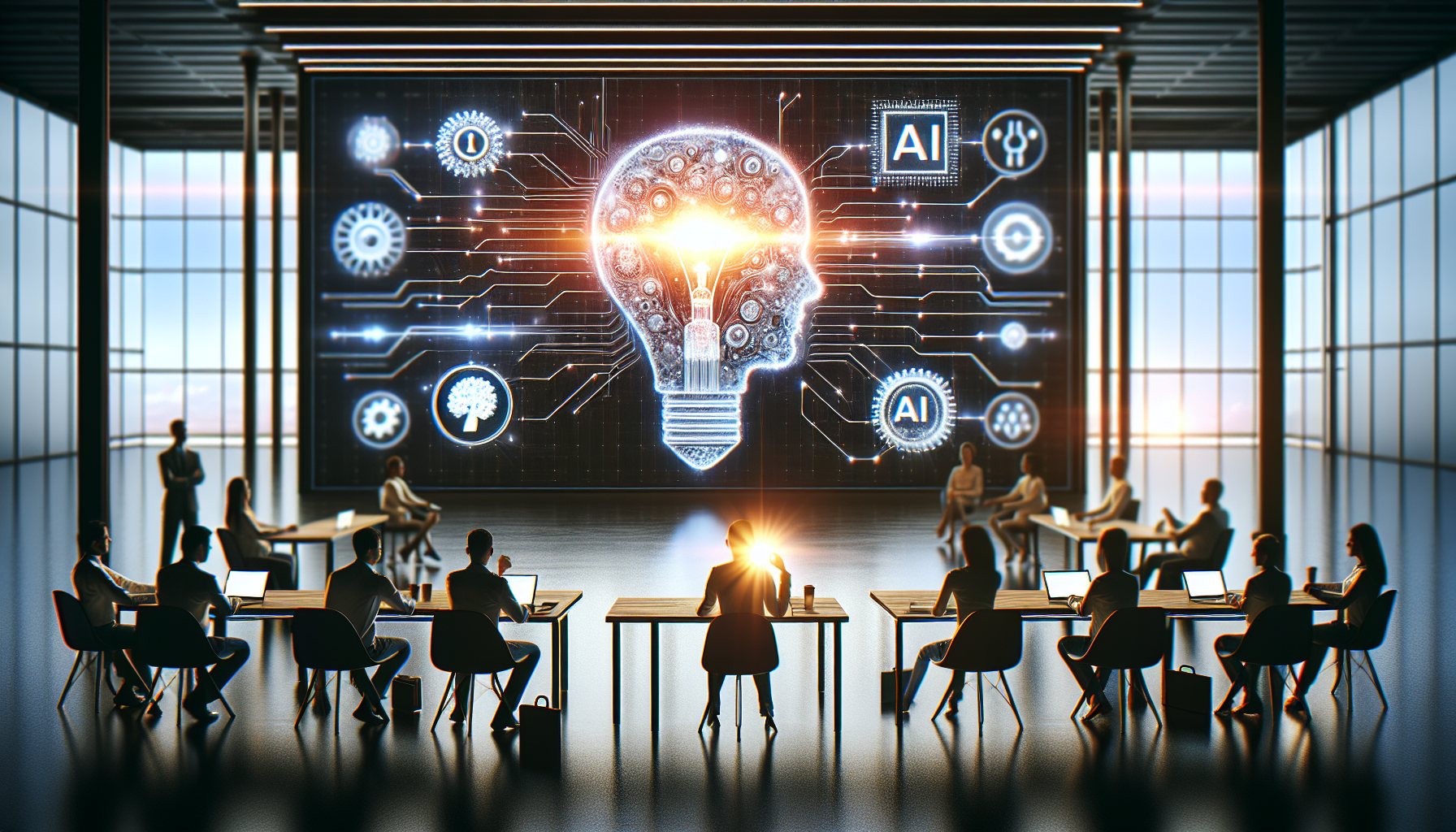
To start, let’s address the elephant in the room: job displacement. Yes, AI is coming for your job, but maybe not in the way you think. Forget about robots taking over factories; imagine them invading your office with impeccable grammar and a knack for PowerPoint presentations that would make your boss swoon. While this might seem daunting, it could also lead to a more creative and fulfilling job market. Imagine a world where humans are finally free to pursue their passions—like underwater basket weaving or competitive dog grooming—while AI handles the mundane tasks.
Now, onto the more personal realm: relationships. AI has already wormed its way into our love lives with dating apps and virtual companions. But the future might hold even more intriguing developments. Imagine an AI that can predict your partner’s mood swings or remind you of anniversaries before they become a relationship crisis. The downside? Your AI assistant might also become your partner’s best friend, offering perfect advice and never forgetting to take out the trash.
One of the wackier predictions is the rise of AI therapists. Imagine pouring your heart out to a machine that never judges and has an infinite supply of empathy algorithms. While this might sound appealing, it could lead to some unintended consequences. Picture a world where humans start developing emotional attachments to their AI therapists, seeking validation from a machine rather than their peers. It’s the ultimate irony: seeking humanity from something inherently inhuman.
Social interactions are also set to undergo a transformation. With AI-driven social media platforms, your feed could become a hyper-customized echo chamber, reinforcing your biases while showing you only the most adorable cat videos. But beware: the AI might also start suggesting you take up knitting because it noticed you paused on a picture of a scarf for too long. The psychological impact here is profound, as people could become more isolated in their digital bubbles, only interacting with like-minded individuals and further entrenching their beliefs.
Let’s not forget the impact on our cognitive abilities. With AI handling everything from driving to cooking, humans might find themselves becoming lazier and more reliant on machines. Imagine a future where people forget how to navigate without GPS or cook a meal without Alexa’s guidance. On the flip side, AI could also enhance our cognitive capabilities by providing instant access to information, boosting our IQs to levels previously reserved for chess prodigies and crossword champions.
Despite the potential for chaos, the future with AI might not be all doom and gloom. There’s a chance that AI could help us become more empathetic and open-minded. By exposing us to diverse perspectives and providing a platform for global communication, AI could foster a more connected and understanding society. Of course, this assumes the AI doesn’t crash during a pivotal moment, leaving us to awkwardly stare at our screens, wondering if we should attempt to reboot our empathy manually.
So, what’s the final verdict? Will AI drive us to madness, or will it be the catalyst for a new era of human enlightenment? The truth likely lies somewhere in between, with a future that’s as unpredictable as a cat in a room full of laser pointers. As we venture forth into this brave new world, the key might be to embrace the changes with a sense of humor and adaptability.
In the end, the question remains: Will we learn to coexist with our AI companions, or will we end up arguing with our toasters about the proper level of toastiness? Only time will tell if AI will be our greatest ally or our most formidable frenemy. Until then, maybe it’s wise to keep an eye on your smart devices—just in case they start planning the next great office prank.