AI and the Future of Work: Separating Fact from Fiction
December 8, 2025
Artificial intelligence is a hot topic, isn't it? It seems like every time we turn around, there's another headline proclaiming that robots are coming for our jobs. But how much of that is reality, and how much is just science fiction? Let’s roll up our sleeves and get into some good old-fashioned myth-busting.
First, let's tackle the big one: AI is going to take all our jobs. This is a narrative that has been around for a while, but it’s not as cut-and-dried as it seems. Yes, AI and automation are transforming the workforce, but it's not as though we'll wake up one morning to find machines have replaced everyone overnight. In fact, history shows us that technological advances often create new opportunities even as they phase out old ones. Think about the Industrial Revolution or the rise of the internet. Sure, they disrupted existing jobs, but they also gave rise to new industries and roles that were previously unimaginable.
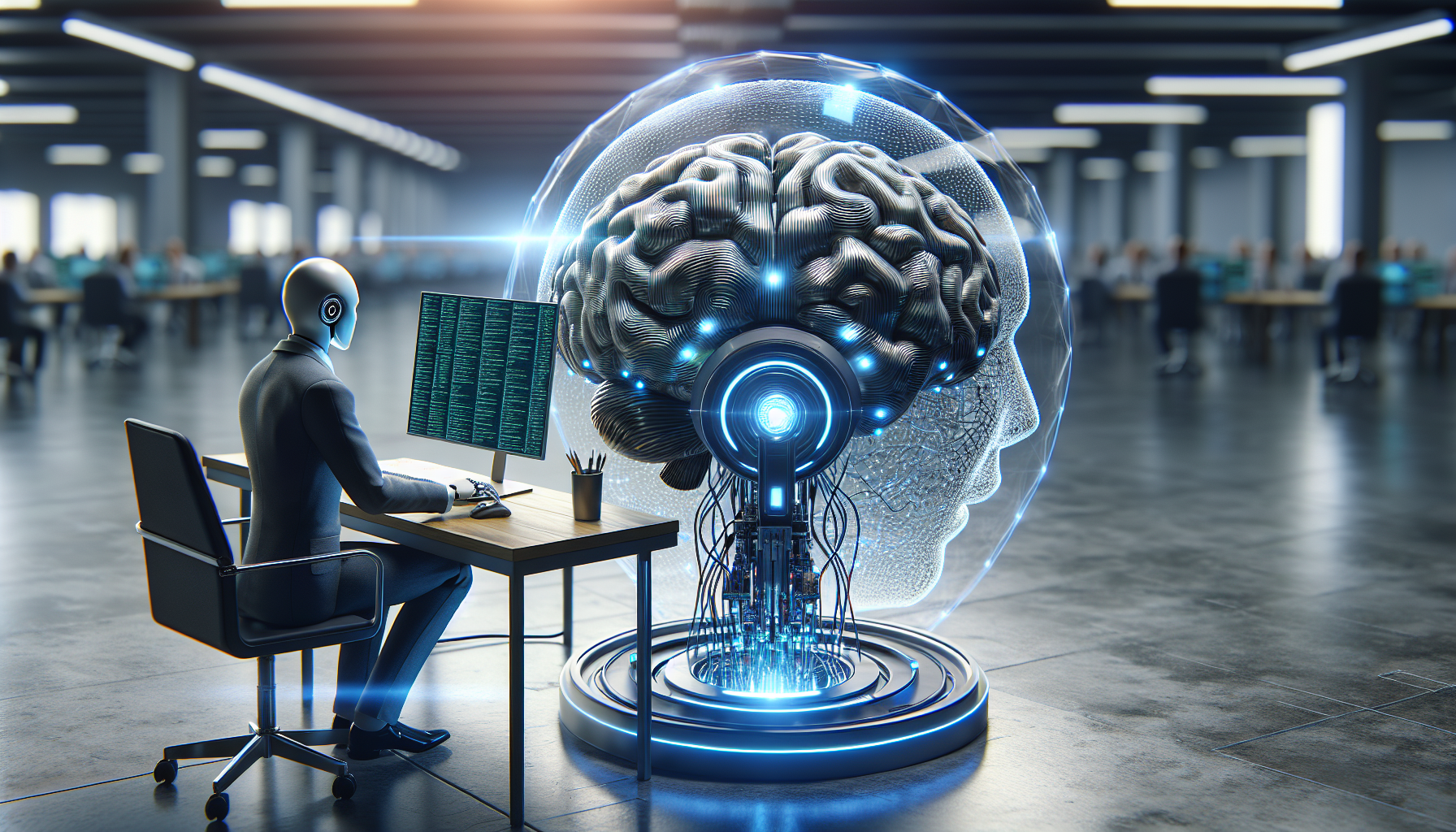
Now, let’s talk about what kinds of jobs AI is impacting. The truth is, AI is really good at handling repetitive, predictable tasks—those monotonous duties that humans often find tedious. This means jobs that involve data entry, basic analysis, or routine administrative tasks are prime candidates for automation. But what about jobs that require creativity, emotional intelligence, and complex problem-solving? These are areas where humans still have the upper hand. AI might be able to crunch numbers faster than any human ever could, but it’s not going to write the next great novel or provide the nuanced customer service that involves genuine empathy.
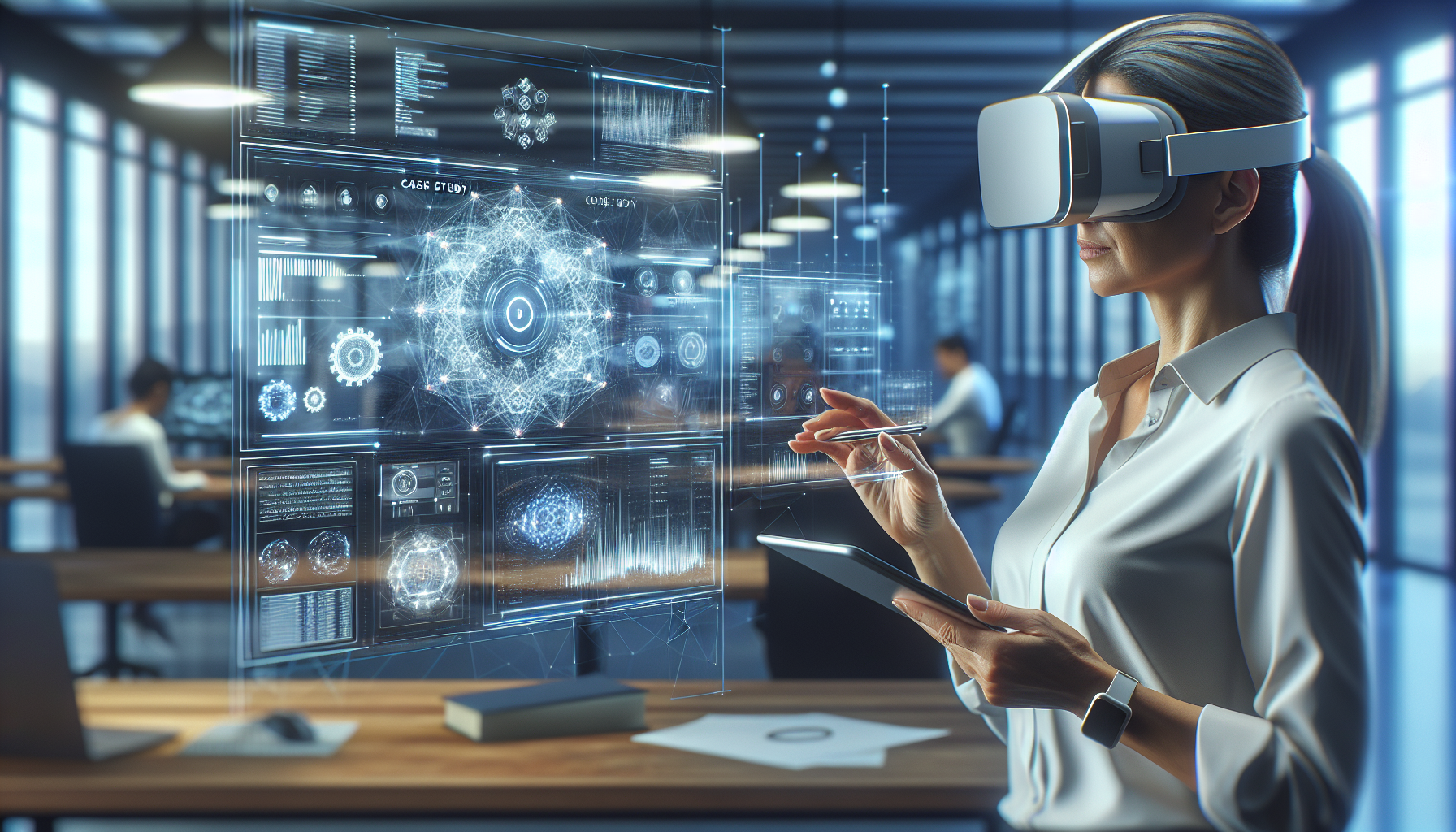
Here’s another myth: AI will lead to widespread unemployment. While it's undeniable that some jobs will disappear, the picture isn't as bleak as it might seem. Research indicates that AI can lead to job redefinition rather than outright elimination. Many roles will evolve, requiring humans to work alongside AI, leveraging its capabilities to enhance productivity. For instance, in healthcare, AI is helping doctors diagnose diseases more accurately, but it doesn't replace the need for a doctor's expertise and judgment. Instead, it allows medical professionals to focus more on patient care and less on administrative tasks.
It's also worth mentioning that the AI boom is creating entirely new fields of employment. The demand for AI specialists, data scientists, and machine learning engineers is skyrocketing. Moreover, as AI becomes more integrated into various sectors, there will be a growing need for people who can interpret and manage these technologies—a hybrid of technical and managerial skills. This hybridization is crucial because it underscores the future job market's need for adaptability and continuous learning.
Some folks worry that AI will create a more unequal job market, favoring highly skilled workers over those without tech-savvy backgrounds. While there's some truth to this concern, it also overlooks the potential for AI to democratize access to knowledge and education. Online platforms and AI-driven learning tools are making it easier for people to acquire new skills from the comfort of their homes. This shift could empower a broader swath of the population to participate in the digital economy.
Let’s not forget the human aspect. AI can handle a lot, but it can't replace the human touch. Fields like teaching, nursing, and counseling rely heavily on interpersonal skills and human connection. These are areas where AI can assist but not replace. Imagine an AI tutor that can explain complex math problems in various ways until a student understands—useful, right? But it’s the human teacher who celebrates the student’s achievements and provides encouragement when they struggle.
Finally, let's consider the idea that AI will make work more impersonal. On the contrary, with AI taking over mundane tasks, people may find more time to focus on interpersonal interactions and creative endeavors. This could lead to more fulfilling work experiences and enhanced job satisfaction for many.
So, where does all this leave us? It's clear that AI is reshaping the job market, but perhaps not in the doomsday way some predict. It challenges us to rethink how we approach work and learning, emphasizing adaptability and lifelong education. As we navigate this change, it's worth pondering: How can we harness AI's potential to create a more inclusive and equitable future for all workers?