AI and the Future of Work: Navigating the Automation Revolution in the Job Market
January 10, 2026
Artificial intelligence, often cloaked in mystique and speculation, is increasingly becoming a tangible force reshaping industries and the job market. The discourse surrounding AI and automation often vacillates between utopian promises of efficiency and dystopian fears of mass unemployment. However, the crux of the matter lies in understanding the nuanced transformations AI brings to the workplace and the strategic adaptations required to harness its potential for economic and social benefit.
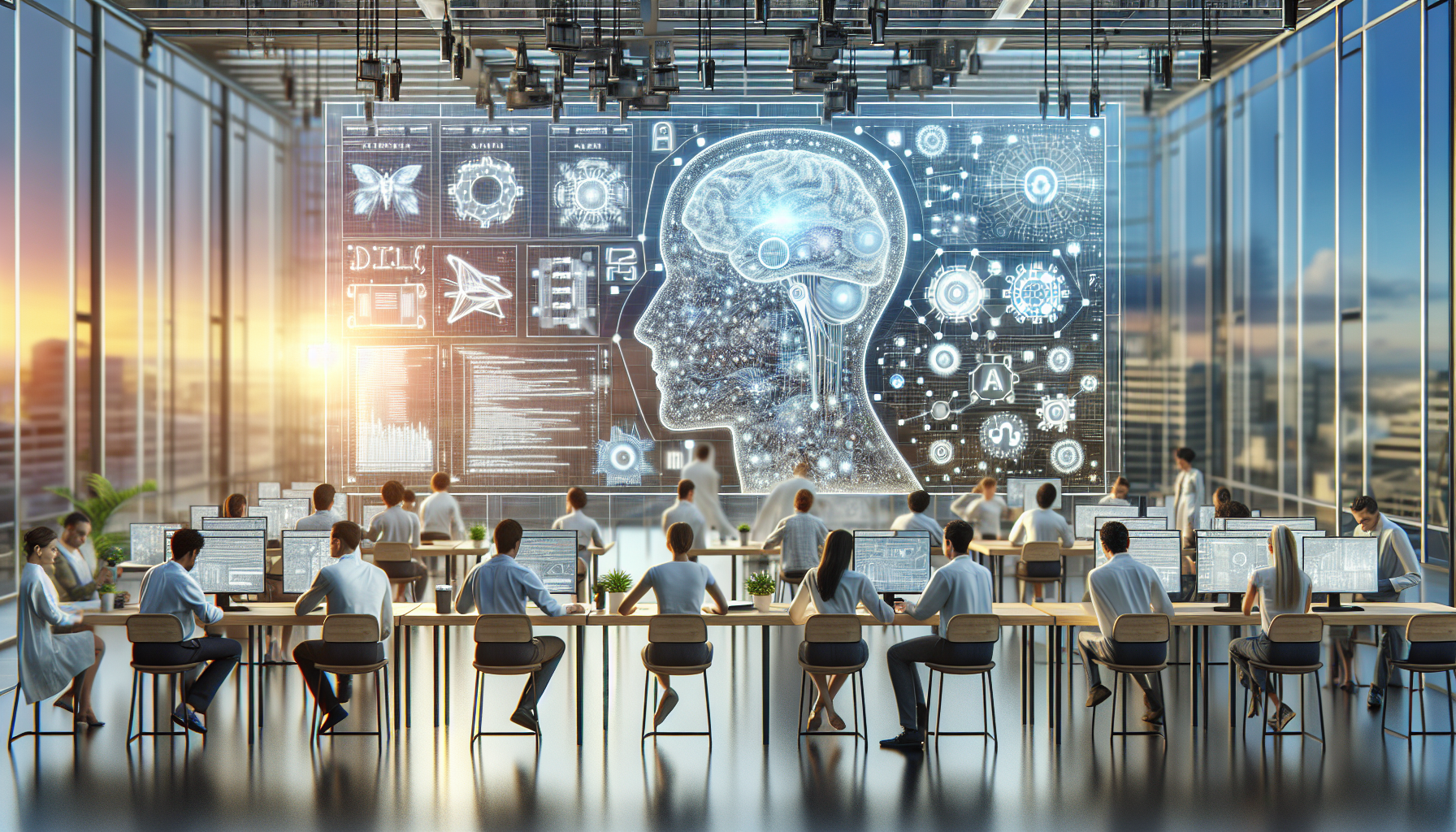
At the heart of AI's impact on work is automation—a double-edged sword that promises unprecedented productivity while threatening traditional employment structures. Automation, driven by sophisticated AI algorithms, is not merely a futuristic concept but an active process reshaping industries from manufacturing to healthcare. Machines can now perform tasks with a level of precision and accuracy that humans struggle to match. Robots on assembly lines, AI-driven diagnostic tools in hospitals, and intelligent systems managing logistics are just a few examples of AI's pervasive influence.
Critics often voice concerns about AI leading to widespread job displacement. While it's true that some roles are becoming obsolete, it is equally important to recognize that AI is creating new opportunities that demand a different skill set. The demand for AI specialists, data scientists, and machine learning experts is skyrocketing, reflecting a shift towards a knowledge-based economy. Moreover, AI is augmenting human capabilities rather than replacing them outright. Consider the role of AI in enhancing decision-making processes. By analyzing vast amounts of data and identifying patterns, AI provides insights that empower human workers to make informed decisions. This symbiotic relationship between humans and machines could redefine efficiency and creativity in the workplace.
Furthermore, AI's integration into routine tasks allows human workers to focus on more complex, strategic activities that leverage uniquely human traits such as empathy, critical thinking, and creativity. In the context of customer service, for example, AI can handle repetitive inquiries, freeing up human agents to address nuanced issues that require personal interaction and judgment.
Education and reskilling are critical components of adapting to AI-driven changes in the job market. The current educational paradigm must evolve to prepare the workforce for AI's demands. This involves not only technical training in AI-related fields but also fostering adaptability and continuous learning. Encouraging interdisciplinary approaches that combine technical skills with humanities and social sciences can produce a versatile workforce capable of navigating AI's complexities.
Moreover, the rise of AI necessitates a reimagining of labor policies and social contracts. Governments and organizations must collaborate to create frameworks that ensure equitable access to the benefits of AI. This includes addressing potential income disparities that could arise from automation and developing social safety nets for displaced workers. By proactively addressing these challenges, society can mitigate the adverse effects of AI while maximizing its benefits.
The ethical implications of AI in the workplace also warrant careful consideration. As decision-making processes become increasingly automated, transparency and accountability become crucial. Ensuring that AI systems operate without bias and with respect for privacy and human rights is paramount. Developing ethical guidelines and regulatory standards will be essential to maintaining public trust in AI technologies.
While the road to a fully integrated AI-driven workforce is fraught with challenges, it is also ripe with possibilities for innovation and progress. AI's transformative potential extends beyond mere efficiency gains; it offers the opportunity to rethink work itself. As AI takes on more routine tasks, humans can focus on what truly matters: creativity, collaboration, and the pursuit of purpose-driven work.
Could AI, rather than being a threat, be a catalyst for redefining the meaning of work in a way that aligns with human values and aspirations? As we stand on the precipice of this technological revolution, the question is not merely how AI will change work, but how we will change with it. The future of work is not predetermined by AI but is instead a dynamic landscape that we have the power to shape.