AI and the Future of Work: Navigating Automation's Impact on Your Career
April 3, 2026
Have you ever wondered what your job might look like in a few years? With artificial intelligence (AI) becoming a staple topic around dinner tables and boardrooms alike, it's not just speculation anymore—it's your future. Let’s dive into how AI is reshaping the job market and what you can do to prepare for these changes.
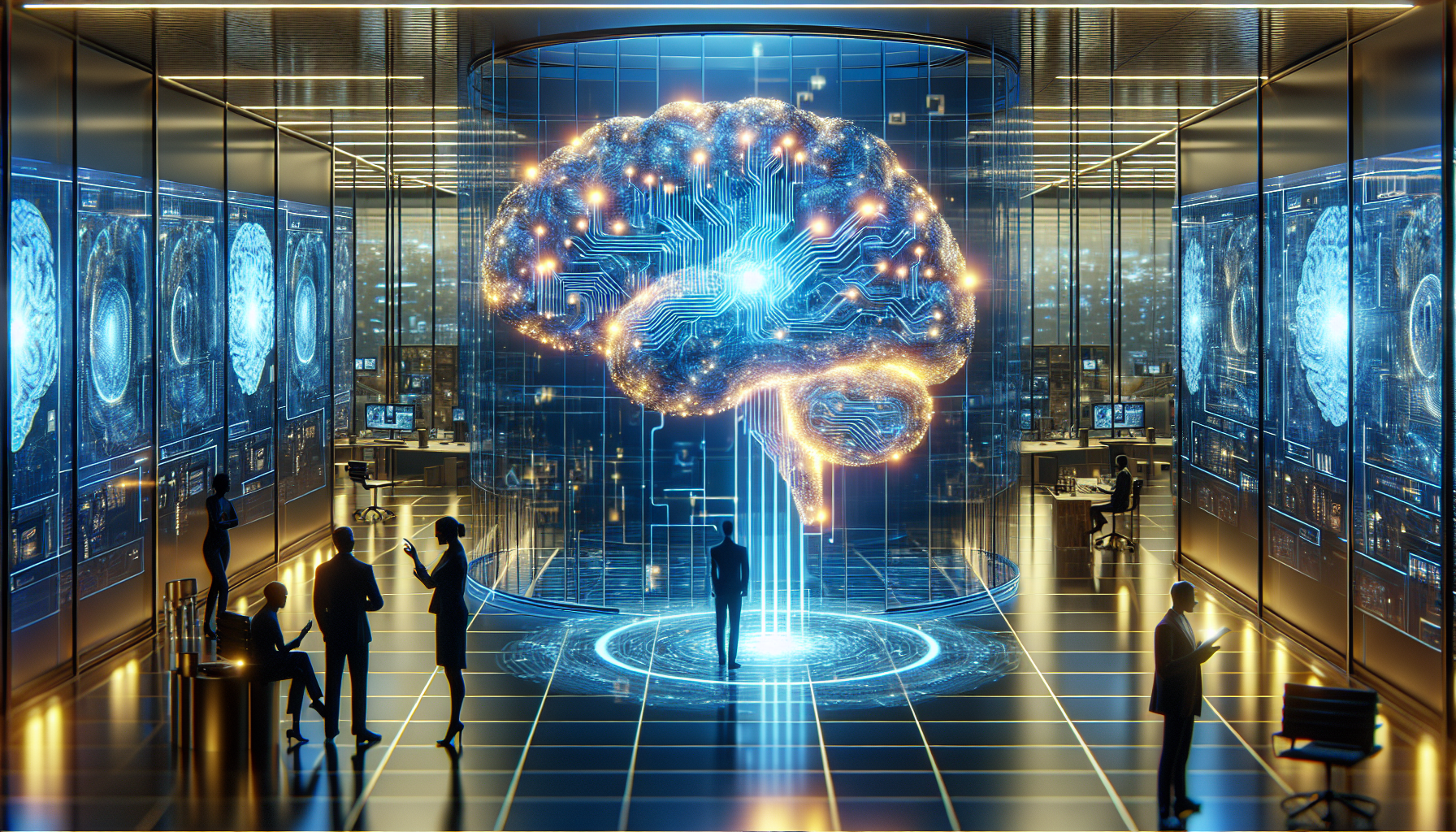
First things first, let’s get one thing straight: AI isn't just about robots taking over jobs. It’s a lot more nuanced than that. Sure, some tasks are becoming automated, but AI also opens up new opportunities and industries that didn’t exist before. Think of it as a dance between machines and humans, where each has a role to play. The key is to learn the steps so you don’t trip over your own feet.
So, how do we navigate this brave new world? Let’s break it down.
### Understand What AI Automation Means for You
AI is particularly adept at handling repetitive tasks. If your job involves routine activities, it might be time to think about how you can pivot. But don’t panic—automation also means you can finally offload those mundane tasks and focus on more strategic, creative work. Instead of spending hours entering data, imagine using that time to brainstorm innovative ideas or develop new skills.
The first step is understanding the specific aspects of your job that might be automated. This requires a bit of introspection and maybe a conversation with your manager. By identifying these areas, you can start planning your next move.
### Upskill and Reskill: Your Career's Best Defense
The phrase “lifelong learning” has never been more relevant. As AI continues to evolve, so should you. Upskilling and reskilling are your best defenses against becoming obsolete. But let's make this actionable—start by researching which skills are in demand in your industry. Are there certifications or courses you can take? Online platforms offer a treasure trove of resources, often at a fraction of the cost of traditional education.
Soft skills are also gaining prominence. Emotional intelligence, creativity, and adaptability are increasingly valuable as AI takes over more analytical tasks. These human-centric skills are not easily replicated by machines, giving you an edge in the job market.
### Embrace AI as a Collaborative Tool
Instead of viewing AI as the competition, consider it a colleague. AI can handle data analysis much faster than any human, freeing you up to interpret the data and make strategic decisions. This collaboration can enhance productivity and lead to more innovative outcomes. Think about how you can incorporate AI tools into your workflow. Familiarize yourself with the software and technology that can make your job easier and more efficient.
### Explore New Career Paths
With AI creating new industries, there are exciting opportunities for those willing to explore. Fields like AI ethics, robotics, and machine learning engineering are burgeoning. Even roles that didn’t traditionally involve tech, like marketing or law, are seeing new AI-driven niches emerge. If you’re open to change, this could be the perfect time for a career pivot.
### Stay Informed and Join Conversations
Being well-informed about AI developments can give you a competitive edge. Subscribe to industry newsletters, join forums, and attend webinars. Networking is crucial, too. Connect with thought leaders and peers who are navigating similar challenges. Sharing insights and experiences can offer new perspectives and strategies.
### Cultivate an Adaptive Mindset
Change can be daunting, but it’s also an opportunity for growth. Cultivating an adaptive mindset means being open to new experiences and willing to step outside your comfort zone. This might be the most difficult but rewarding aspect of preparing for the future of work. By staying flexible, you’re more likely to thrive in an environment that’s constantly evolving.
As we stand on the cusp of this AI-driven era, it’s clear that the future of work is not just about technology—it's about people. How we adapt, learn, and grow will define our success in a world where AI is a constant companion. So, rather than fearing the change, let’s embrace it. After all, the dance floor is wide open, and the music is just starting. Are you ready to dance?