AI and Robotics: Pioneering the Next Era of Human-Machine Collaboration
December 30, 2025
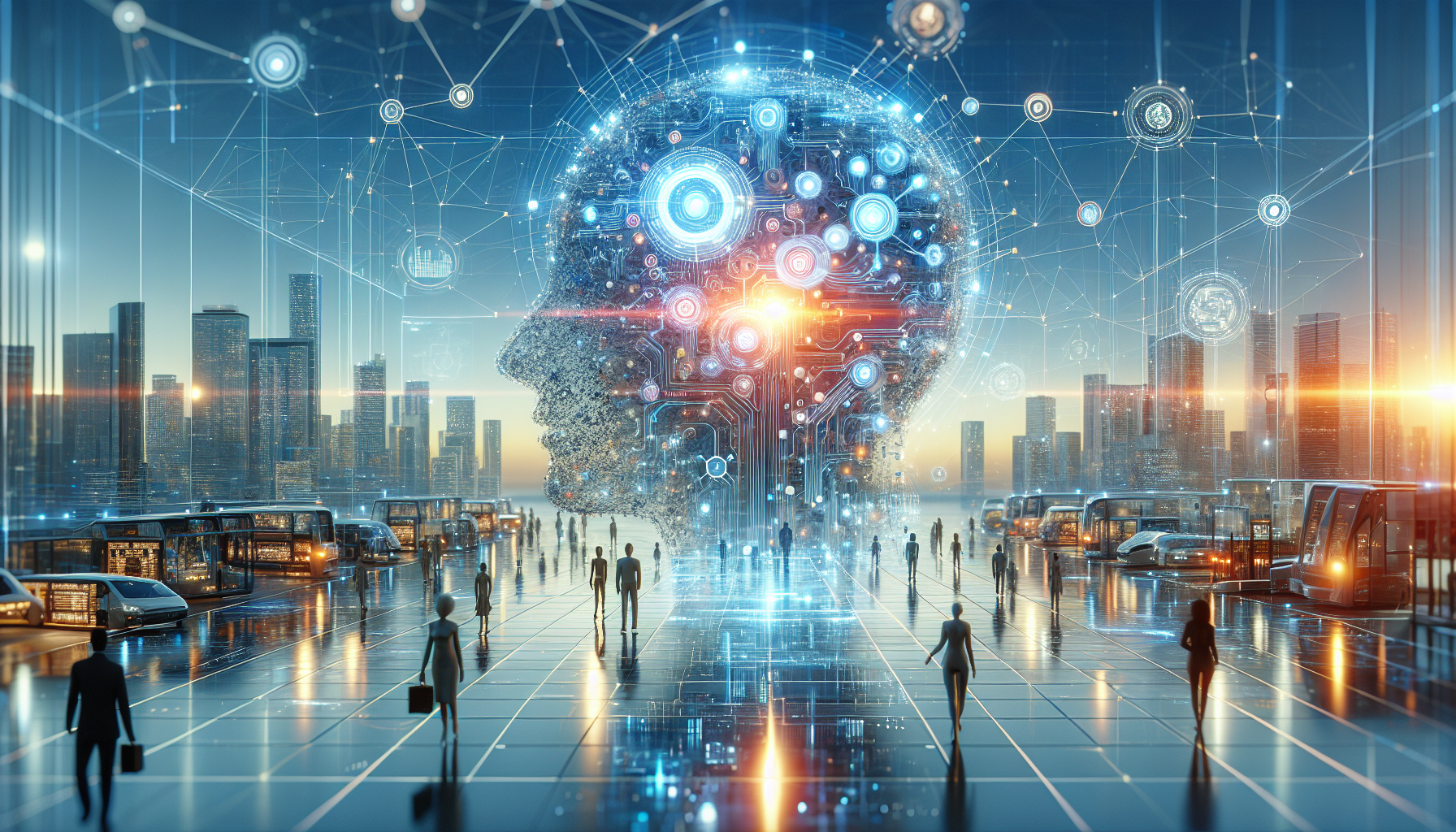
Artificial intelligence (AI) and robotics are not merely technological buzzwords; they are the harbingers of a transformative era that promises to redefine the very essence of human-machine collaboration. As we stand on the cusp of this new age, the symbiotic relationship between AI and robotics holds the potential to revolutionize industries, enhance human capabilities, and even redefine the concept of work itself.
At the heart of this collaboration lies the integration of AI's cognitive capabilities with the physical prowess of robotics. This union is more than a technical achievement; it represents a philosophical shift in how we perceive machines. No longer mere tools, robots equipped with AI can now act as partners, capable of learning, adapting, and evolving alongside humans. This partnership enables the delegation of mundane, repetitive tasks to machines, freeing humans to engage in creative and strategic pursuits.
The manufacturing sector serves as a prime example of this collaboration. In factories, AI-powered robots perform tasks with precision and consistency that far surpass human capabilities. They adapt to new instructions with ease, thanks to machine learning algorithms that allow them to process and respond to vast amounts of data in real-time. This adaptability is reshaping production lines, leading to increased efficiency and reduced error rates. Yet, perhaps the most profound impact is the shift in the workforce dynamic. Humans are transitioning from manual labor roles to supervisory and analytical positions, focusing on innovation and problem-solving.
In the realm of healthcare, AI and robotics are poised to redefine patient care. Surgical robots, guided by AI, assist in performing complex procedures with remarkable accuracy. These machines extend the capabilities of human surgeons, enabling minimally invasive surgeries that reduce recovery times and improve patient outcomes. Moreover, AI-driven diagnostic tools analyze medical data to detect conditions at stages earlier than human practitioners might identify them, potentially saving countless lives.
However, the integration of AI and robotics into the fabric of society is not without its challenges. Ethical considerations abound, particularly regarding the autonomy of AI systems and their potential to make decisions that impact human lives. As these technologies become more ingrained in critical sectors, the question of accountability becomes paramount. Who bears responsibility when an AI system errs? How do we ensure these technologies are aligned with human values?
Additionally, the socio-economic implications cannot be ignored. The displacement of jobs due to automation is a legitimate concern, necessitating a reevaluation of education and workforce training programs. New skill sets focused on AI and robotics will become essential, requiring significant investment in retraining initiatives to ensure that the workforce can transition smoothly into this new era.
Yet, amidst these challenges lies a profound opportunity. By embracing AI and robotics, we can address some of the most pressing global issues. From climate change to healthcare accessibility, these technologies offer innovative solutions that were previously unimaginable. AI-driven climate models can predict environmental changes with unprecedented accuracy, while robotic systems can perform environmental cleanup tasks in hazardous areas.
Ultimately, the future of human-machine collaboration hinges on our ability to harness these technologies responsibly. It is a future where AI and robotics do not replace human ingenuity but rather enhance it. By fostering a collaborative environment, we can unlock the full potential of these technologies, leading to a world where machines and humans coexist harmoniously, each augmenting the other's capabilities.
As we contemplate the ramifications of this partnership, we are left with crucial questions. How will we shape the ethical frameworks that govern AI and robotics? What measures will we take to ensure equitable access to the benefits of these technologies? Most importantly, how can we foster a society where technological advancement complements human values and aspirations?
In exploring these questions, we embark on a journey of discovery, one that challenges us to redefine the boundaries of possibility and embrace a future where AI and robotics are not just tools, but partners in our collective quest for progress.